1. Introduction
Tourism has emerged as a major global industry with vast economic, socio-cultural, and environmental implications. In recent decades, the focus has shifted towards sustainable tourism a form of tourism that meets the needs of present tourists and host regions while protecting and enhancing opportunities for the future
| [28] | United Nations World Tourism Organization (UNWTO). (2019). Tourism for sustainable development in least developed countries. Madrid: UNWTO. |
[28]
. Sustainable tourism emphasizes the need to preserve cultural heritage, protect the environment, and improve the well-being of local people. Particularly in developing regions, natural and cultural heritage sites are being re-evaluated for their tourism potential and their role in community development
| [27] | UNESCO. (2021). Heritage and sustainable tourism: Community engagement and management strategies. Paris: UNESCO Publishing. |
[27]
.
It is generally acknowledged that tourism is the greatest industry in the world, and its expansion is causing quick changes in the social, economic, and environmental spheres that call for careful planning and management strategies.
| [66] | Boateng, A., & Mensah, I. (2022). Journal of Sustainable Tourism Research, 12(4), 89-105. |
[66]
claims that as numerous nations, ranging from Mexico and the Caribbean to the Mediterranean, have developed, tourism has grown in popularity. There is substantial potential for tourism to play a major role in reducing poverty. Many developing nations now rely heavily on tourism as a source of foreign exchange profits to support their economic growth. According to research conducted in 2000 by the Pro-Poor Tourism Partnership
tourism has benefited less developed nations, and it is currently one of the few effective strategies in many rural areas.
According to estimates from the
| [27] | UNESCO. (2021). Heritage and sustainable tourism: Community engagement and management strategies. Paris: UNESCO Publishing. |
[27]
tourism is the largest industry in the world, contributing up to 10% of the global gross domestic product. There is substantial potential for tourism to play a major role in reducing poverty. As one of the few currently effective tools for economic development, tourism has benefited least developed nations and many rural regions thanks to work done since 2000 by the Pro-Poor Tourism Partnership. The urge for individuals to experience something different from their everyday lives gave rise to the demand-driven tourism sector. Travelers visit new locations to experience new things, like culture, significant historical sites, or breathtaking scenery.
Tourists seek out, discover, and engage with new experiences
| [22] | Mensah, I. (2017). Benefits and challenges of community-based ecotourism in Ghana. Journal of Tourism and Hospitality Management, 5(2), 84-98. |
[22]
. For instance, if we go to Flores, we know that despite having a less appealing terrain than other areas, Flores receives a lot more visitors. The reason for this is that Flores' culture is genuinely distinctive and difficult to locate elsewhere. Visitors have the opportunity to interact with locals and learn about their customs, such as weaving, dancing, and singing folk music. Additionally, visitors will perceive Indonesia as a culturally rich country. Because it is present everywhere in the world on every continent, in every nation, and even in every region tourism is the most significant economic generator in the world.
Transportation, tourist attractions, services, infrastructure, and the increase in purchasing power in the area are all impacted by tourism. According to
| [28] | United Nations World Tourism Organization (UNWTO). (2019). Tourism for sustainable development in least developed countries. Madrid: UNWTO. |
[28]
, the UNWTO explains why tourism has been so successful over the past six years. Today, the world's fastest-growing industry is tourism. The primary benefit of tourism in promoting economic growth is the rise in employment opportunities in the tourist area, both directly and indirectly in the businesses that offer the services that visitors require. More workers will be needed to handle the growing number of tourists. Unemployment may be decreased as a result of the significant number of tourists finding employment in the tourist destination.
Special interests in tourism and eco-tourism are starting to surface as the natural tourism period progresses. In general, both of these tourism models rely heavily on the natural environment to maintain the survival of nature, which is a tourist destination
| [57] | Šimanskienė L., Župerkienė E., 2014, Sustainable leadership: the new challenge for organizations, “Forum Scientiae Oeconomia”, 2(1). |
[57]
. Additionally, it is founded on two primary pillars: the pursuit of quality and the quest for new products
.
In Ghana, the Upper West Region is home to numerous untapped tourist sites, including the Wulling Mushroom Rocks in the Jirapa Municipal. This geological formation, shaped like a mushroom, is not only a fascinating natural feature but also carries cultural and spiritual significance for the local people. However, like many heritage sites in Ghana, the sustainability of the Wulling Mushroom Rocks as a tourism resource hinges on how the local community perceives and manages this natural asset
| [82] | Sumani JB. B & Osumanu I. K (2021): A Vital Resource Ignored: An Exploration of the Ecotourism Potentials of Wuling Mushroom Rocks and Boulders in North-Western Ghana, Tourism Planning & Development,
https://doi.org/10.1080/21568316.2021.1906739 |
[82]
.
The Wulling Mushroom Rocks in the Jirapa Municipal area of Ghana are renowned for their unique geological and cultural significance. These natural formations, characterized by their mushroom-like shapes, are not only a source of aesthetic wonder but also hold potential for promoting local tourism and economic development. However, ensuring their attraction and sustainability involves a multifaceted approach that addresses environmental, social, and economic factors
| [82] | Sumani JB. B & Osumanu I. K (2021): A Vital Resource Ignored: An Exploration of the Ecotourism Potentials of Wuling Mushroom Rocks and Boulders in North-Western Ghana, Tourism Planning & Development,
https://doi.org/10.1080/21568316.2021.1906739 |
[82]
. This background provides an overview of the importance of the Wulling Mushroom Rocks, the challenges facing their preservation, and strategies for enhancing their attractiveness and sustainability.
The Wulling Mushroom Rocks are an exemplary model of natural rock formations shaped by geological processes over millennia. These formations are significant due to their unique appearance and the role they play in local folklore and cultural heritage
| [39] | García-Hernández, M., De la Calle-Vaquero, M., & Yubero, C. (2017). Cultural Heritage and Urban Tourism: Historic City Centres under Pressure. Sustainability, 9(8), 1346. |
[39]
. According to
| [36] | Berkes, F. (2009). Community Conserved Areas: Policy Issues and Challenges. Conservation Letters, 2(3), 157-165. |
[36]
, such geological formations can become pivotal assets in eco-tourism, offering opportunities for education, recreation, and cultural engagement. The rocks' distinct features attract both domestic and international tourists, which can lead to increased economic benefits for the local communities.
In addition to their tourism potential, the Wulling Mushroom Rocks contribute to scientific understanding of geological processes and environmental changes. Studies of these formations can provide insights into weathering, erosion, and the effects of climate change on geological structures
| [51] | Fennell, D. A. (2008). Ecotourism. Routledg. |
[51]
. This scientific value further underscores the need for effective strategies to preserve and promote these natural assets.
Despite their potential, the Wulling Mushroom Rocks face several challenges that impact their attraction and sustainability. Environmental degradation is a primary concern, as increased tourism can lead to erosion, littering, and damage to the rocks themselves
| [42] | McKercher, B., & Du Cros, H. (2002). Cultural Tourism: The Partnership between Tourism and Cultural Heritage Management. Haworth Hospitality Press. |
[42]
. The influx of visitors, if not managed properly, can strain local resources and disrupt ecosystems, potentially leading to long-term harm to the rock formations.
Social factors also play a crucial role in the sustainability of these geological sites. The local communities' engagement and perception of the Wulling Mushroom Rocks influence conservation efforts and tourism practices. According to
| [44] | Newsome, D., Moore, S. A., & Dowling, R. K. (2012). Natural Area Tourism: Ecology, Impacts, and Management. Channel View Publications. |
[44]
, local attitudes towards conservation can significantly impact the success of sustainable tourism initiatives. If local residents are not involved in or do not benefit from tourism, there may be a lack of support for conservation measures.
Economic factors further complicate the situation. Developing infrastructure to support tourism, such as pathways, signage, and visitor centres, requires substantial investment. Without adequate funding and financial support, maintaining these facilities and implementing conservation measures can be challenging
| [77] | Palacios-Florencio, B., Santos-Roldán, L., Berbel-Pineda, J. M., & Castillo-Canalejo, A. M. (2021). Sustainable tourism as a driving force of the tourism industry: A bibliometric analysis. Sustainability, 13(9), 4819.
https://doi.org/10.3390/su13094819 |
[77]
. Moreover, the economic benefits of tourism must be equitably distributed to ensure that local communities perceive tourism as a valuable and beneficial activity.
To address these challenges, several strategies can be employed to enhance the attraction and sustainability of the Wulling Mushroom Rocks. Effective management and conservation strategies are essential for preserving the integrity of the rocks while accommodating tourists. One approach is the development of a comprehensive management plan that includes environmental conservation measures, visitor management practices, and community involvement
| [54] | Mitchell, R. E., & Reid, D. G. (2001). Community integration: Island tourism in Peru. Annals of Tourism Research, 28(1), 113-139. |
[54]
. Such a plan should outline specific actions to prevent erosion, control littering, and mitigate other forms of environmental impact.
Community engagement is another critical strategy. Involving local communities in the planning and implementation of tourism activities can foster a sense of ownership and responsibility towards the preservation of the Wulling Mushroom Rocks. Community-based tourism initiatives that provide economic benefits, such as jobs and business opportunities, can also encourage local support for conservation efforts
| [65] | Anane, A. (2024). Ghana Journal of Environment and Culture, 6(1), 15-27. |
[65]
. Education and awareness programs aimed at both locals and visitors can further enhance conservation efforts by promoting responsible behaviour and appreciation of the site's value.
Investment in infrastructure and facilities is necessary to support sustainable tourism. Developing amenities such as well-maintained pathways, informative signage, and visitor centres can enhance the tourist experience while minimizing environmental impact. Additionally, partnerships with stakeholders, including government agencies, non-governmental organizations, and private sector actors, can provide the financial and technical resources needed for effective management and promotion
| [60] | Sharpley, R. (2000). Tourism and sustainable development: Exploring the theoretical divide. Journal of Sustainable Tourism 8(1), 1-19. |
[60]
.
Monitoring and evaluation are also crucial components of a successful strategy. Regular assessments of environmental impact, visitor satisfaction, and economic outcomes can help identify areas for improvement and ensure that conservation and promotion efforts are achieving their goals
| [61] | Tosun, C. (2006). Expected nature of community participation in tourism development. Tourism Management, 27(3), 493-504. |
[61]
. Data-driven decision-making can guide adaptive management practices and ensure the long-term sustainability of the Wulling Mushroom Rocks.
The Wulling Mushroom Rocks hold significant potential for tourism and local development, but realizing this potential requires a comprehensive approach to attraction and sustainability. Addressing environmental, social, and economic challenges through effective management, community engagement, infrastructure development, and ongoing monitoring can help ensure that these unique geological formations are preserved and promoted for future generations. By adopting a holistic strategy, the Wulling Mushroom Rocks can become a model for sustainable tourism and conservation efforts in Ghana and beyond.
Community participation and perception are increasingly seen as central to the success of sustainable tourism. When local communities understand and appreciate the value of tourism resources, they are more likely to protect them and engage in tourism-related practices that foster sustainability. Conversely, a lack of awareness or interest can result in the degradation of these resources and missed development opportunities. In this context, understanding the perceptions and practices of the local community in Jirapa regarding the Wulling Mushroom Rocks is essential for informing sustainable tourism policies and practices
| [82] | Sumani JB. B & Osumanu I. K (2021): A Vital Resource Ignored: An Exploration of the Ecotourism Potentials of Wuling Mushroom Rocks and Boulders in North-Western Ghana, Tourism Planning & Development,
https://doi.org/10.1080/21568316.2021.1906739 |
[82]
.
Despite the increasing interest in sustainable tourism in Ghana, there remains a dearth of empirical research focusing on how local communities perceive and engage with tourism resources. Moreover, little is known about the actual practices and strategies local people employ to ensure the sustainability of such sites. This study, therefore, seeks to fill this gap by exploring community perceptions and practices concerning sustainable tourism resources, using the Wulling Mushroom Rocks as a case study.
Tourism sites in Ghana, particularly in the northern parts of the country, face numerous challenges in achieving sustainability. These challenges include inadequate infrastructure, weak institutional support, low community involvement, and lack of education on sustainable tourism practices. The Wulling Mushroom Rocks, though a potential flagship attraction in the Jirapa Municipal, has received limited attention in terms of sustainable tourism development. There is insufficient documentation and strategic planning regarding how the local community perceives the site and what practices are in place to protect and promote it.
While national policies highlight the importance of involving local communities in tourism planning, in practice, such involvement is minimal. This disconnect has led to a situation where many tourism resources are underutilized, neglected, or exploited without due regard for sustainability. In the case of the Wulling Mushroom Rocks, anecdotal evidence suggests that the site is under threat from natural erosion, unregulated visitor access, and a lack of coordinated conservation efforts.
There is also a lack of empirical data on local perceptions about the importance of the site, their willingness to participate in its development, and the types of sustainable practices (if any) they adopt. Without such data, it is difficult for policymakers, tourism planners, and development agencies to design interventions that are grounded in the realities of the local context. This study, therefore, investigates the perceptions and practices of the Jirapa Municipal community concerning the sustainability of the Wulling Mushroom Rocks, aiming to contribute to policy and practice in sustainable rural tourism development.
2. Literature Review
2.1. Concept of Sustainable Tourism
The United Nations World Tourism Organization (UNWTO) defines sustainable tourism as travel that takes into account its present and future effects on the economy, society, and environment while taking into account the demands of tourists, the travel industry, the environment, and host communities
| [27] | UNESCO. (2021). Heritage and sustainable tourism: Community engagement and management strategies. Paris: UNESCO Publishing. |
[27]
. The idea emphasizes striking a balance between social justice, economic viability, cultural preservation, and environmental conservation
| [28] | United Nations World Tourism Organization (UNWTO). (2019). Tourism for sustainable development in least developed countries. Madrid: UNWTO. |
[28]
. With the growth of eco-tourism and community-based tourism, sustainable tourism is gaining traction in Ghana
| [68] | Ghana Tourism Authority (2024). Annual Tourism Report. |
[68]
. Sustainable tourism is a type of travel that preserves and expands opportunities for the future while satisfying the requirements of current visitors and host communities. It places a strong emphasis on maximizing the advantages for nearby communities, ecosystems, and cultural heritage while reducing adverse effects on the environment, society, and economy.
This study is guided by a broad framework of sustainable tourism. According to
, sustainable tourism is tourism that fully considers its present and future effects on the economy, society, and environment while attending to the needs of tourists, the travel industry, the environment, and host communities. Making sure that tourism development is socially just, economically feasible, and environmentally sound both now and in the future is the core of sustainable tourism.
The concept of sustainability in tourism, like in other businesses, encompasses three interrelated elements: economic, social, and cultural. Since sustainability entails permanency, sustainable tourism minimizes ecological, cultural, and social consequences, maximizes advantages for the preservation of local communities and natural and cultural heritage, and makes the best use of available resources, including biological diversity. In order to accomplish this, it also refers to the management structures required.
Over time, locations have realized that sustainable tourism development is crucial to gaining a sustained competitive edge
| [73] | Al-Hashim, Alya. (2015). Embracing Sustainable Tourism in Oman: Case Study of Mirbat Settlement. International Journal of Cultural and Digital Tourism 2: 8-16. |
[73]
. Economic, social, environmental, and cultural factors are all part of the multifaceted structure that is tourism development
| [66] | Boateng, A., & Mensah, I. (2022). Journal of Sustainable Tourism Research, 12(4), 89-105. |
[66]
. Any nation or location, including villages, should balance social, environmental, and economic factors, according to earlier research
| [65] | Anane, A. (2024). Ghana Journal of Environment and Culture, 6(1), 15-27. |
[65]
. This supports
| [72] | Gursoy, D., & Rutherford, D. G. (2004). Host attitudes toward tourism: An improved structural model. Annals of Tourism Research, 31(3), 495-516. |
[72]
assertion that sustainable development can be generally categorized into social, environmental, and economic elements. Furthermore, when considering the preservation and utilization of traditional villages, culture is an important consideration that cannot be disregarded. Ensuring the diversity, uniqueness, independence, and inclusivity of people and the cultures they carry in cultural transmission is the goal of the cultural and social component
| [29] | World Bank. (2020). Promoting sustainable tourism in Ghana: Opportunities and challenges. Washington, DC: World Bank. |
| [58] | Ross, S., & Wall, G. (1999). Ecotourism: Towards congruence between theory and practice. Tourism Management 20(1), 123-132. |
[29, 58]
. Some academics claim that achievability encompasses three aspects: sociocultural, economic, and environmental. It is distinguished by social equality, economic viability, and ecological sensitivity, with the ultimate development goal being synergistic development
| [36] | Berkes, F. (2009). Community Conserved Areas: Policy Issues and Challenges. Conservation Letters, 2(3), 157-165. |
[36]
.
Traditional villages have more standards for sustainable development since they are a "living" part of the natural and cultural heritage. The growth of tourism in traditional villages can have both positive and bad consequences on the local population, as well as a variety of repercussions on the environment, socioculture, and economy of the destination
| [62] | Leleux, B., & Van der Kaaij, J. (2018). Winning sustainability strategies: Finding purpose, driving innovation and executing change. Springer. |
[62]
. Additionally, the growth of tourism may have negative consequences including worsening the host nation's traditional local culture and causing additional traffic
| [74] | Al-Hasni, Zakiya Salim. (2021). The Economic Impact of COVID-19 on the Omani Tourism Sector. Psychology and Education 58: 824-30. |
[74]
. Therefore, in order to secure the sustainable growth of old village tourism, we can only look for a "win-win" way for both tourism development and heritage protection by coordinating tourism development with economic, environmental, and social-cultural resources. There is, however, a dearth of study on sustainable tourism in traditional villages. Thus, this study reconsiders environmentally, socioculturally, and commercially sustainable tourism in traditional villages based on the viewpoints of many stakeholders in light of this gap
| [59] | Scheyvens, R. (1999). Ecotourism and the empowerment of local communities. Tourism Management, 20(2), 245-249. |
[59]
.
Many people around the world now have greater needs for leisure and vacation time due to substantial increases in per capita income, leisure time, and technological advancements. Large-scale tourism inevitably affects the host places' economies, environments, and societies in both positive and harmful ways. As a result, some have called tourism a "revolution." Positively, tourism is seen as a tool for political stability, infrastructure and equipment development, cultural communication, heritage and environmental preservation, and economic revitalization. However, because tourism is consumed in the same location as it is produced, the industry has been criticized for causing a number of social and environmental problems for host communities and destinations, including environmental damage, cultural pollution, the commercialization of human relations, and adverse demonstration effects
| [53] | Honey, M. (2008). Ecotourism and sustainable development: Who owns paradise? Island Press. |
[53]
. The phrase "sustainable tourism" in this context comes from the broader idea of "sustainable development," which "meets the needs of the present without compromising the ability of future generations to meet their own needs
| [5] | Ashley, C., Roe, D., & Goodwin, H. (2001). Pro-poor tourism strategies: Making tourism work for the poor. ODI, IIED, and ICRT. |
[5]
.
As with other industries, tourism is a broad concept that encompasses three interrelated elements: economic, social, and cultural. Because sustainability entails permanence, sustainable tourism means making the best use of available resources, such as biological diversity, minimizing negative ecological, cultural, and social effects, and optimizing positive effects for local communities and the preservation of natural and cultural heritage. It also describes the organizational frameworks required to accomplish this
| [49] | Blamey, R. K. (2001). Principles of ecotourism. In D. B. Weaver (Ed.), The Encyclopedia of Ecotourism (pp. 5-22). CABI. |
[49]
.
Many international organizations started working to provide guidelines for the development of sustainable tourism after the Rio Earth Summit in 1992 and the increasing recognition of the value of a sustainable approach to tourism development. A global conference on sustainable tourism was held in 1995 in Lanzarote, Canary Islands, Spain, by the United Nations Environment Programme (UNEP), the United Nations Educational Scientific and Cultural Organization (UNESCO), the European Union (EU), and the World Tourism Organization (UNWTO). The first consensus on the development of sustainable tourism came out of the conference. A lot of work has been done since 1995, when the Lanzarote Charter for Sustainable Tourism established 18 principles that outline how tourism should be developed. The following are the Declaration's 18 guiding principles and goals:
| [74] | Al-Hasni, Zakiya Salim. (2021). The Economic Impact of COVID-19 on the Omani Tourism Sector. Psychology and Education 58: 824-30. |
[74]
.
In order to facilitate the incorporation of sustainability into tourism policies, the World Tourism Organization (WTO) and the United Nations Environment Programme (UNEP) carried out studies on methods and resources for creating and executing sustainable tourism policies, which have proven to be successful in practice. Although ecotourism and nature tourism are frequently used interchangeably, sustainable tourism development encompasses more than just environmental preservation. It entails giving the host population, communities, cultures, customs, lifestyles, and social and economic structures due consideration. Local communities benefit materially from tourism without experiencing social unrest, acculturation, or the loss of traditional job structures
| [48] | Weaver, D. (2006). Sustainable Tourism: Theory and Practice. Elsevier. |
[48]
.
The implementation of planning techniques to lessen the adverse effects of tourism without compromising its positive aspects would constitute sustainable tourism development according to
. He thinks that the key to attaining sustainable development is educating and increasing people's awareness of the physical and sociocultural environment. Notably, governments and the host population both need education, and for it to be successful, it should involve regular educational workshops as well as the exchange of experiences and information between nations about how they are addressing the detrimental effects of tourism. Instead than being viewed as a strict framework, sustainable tourism should be seen as an adaptable paradigm that validates different strategies based on certain situations
| [52] | Goodwin, H., & Santilli, R. (2009). Community-Based Tourism: A Success? ICRT Occasional Paper No. 11. |
[52]
.
Furthermore, without robust planning and development management by local authorities and the participation of local communities in the planning process, sustainable tourism is not feasible
| [62] | Leleux, B., & Van der Kaaij, J. (2018). Winning sustainability strategies: Finding purpose, driving innovation and executing change. Springer. |
[62]
. According to
| [50] | Bornhorst, T., Ritchie, J. R. B., & Sheehan, L. (2010). Determinants of tourism success for DMOs & destinations: An empirical examination of stakeholders' perspectives. Tourism Management, 31(5), 572-589. |
[50]
, in order to attain sustainability, local governments must place less focus on short-term economics and more awareness of the industry's social and environmental ramifications. They should also encourage the integration of tourism interests into the larger framework of local socioeconomic development rather than viewing it as a distinct or isolated activity.
Planning, management, and policy must all be integrated within the institutional framework for sustainable tourism to be successful.
| [73] | Al-Hashim, Alya. (2015). Embracing Sustainable Tourism in Oman: Case Study of Mirbat Settlement. International Journal of Cultural and Digital Tourism 2: 8-16. |
[73]
discovered that all four dimensions contribute to residents' satisfaction with tourism, with the institutional dimension accounting for the largest percentage of variance. This is despite the fact that the institutional component has gotten the least attention of the three traditional dimensions. Additionally, a community's involvement in local tourism encourages residents by giving them a sense of place and responsibility for preserving their cultural legacy
| [69] | Owusu, K., & Teye, V. B. (2023). African Journal of Hospitality and Tourism Management, 14(1), 45-62. |
[69]
.
2.2. Key Components of Sustainable Tourism
Environmental Sustainability: At its core, sustainable tourism seeks to minimize the negative environmental impacts of tourism activities. This includes reducing pollution, conserving natural habitats, and protecting biodiversity. For the Wulling Mushroom Rocks, environmental sustainability might involve implementing measures such as controlled visitor access, establishing waste management systems, and engaging in habitat restoration projects to protect the unique geological formations and surrounding
| [37] | Buckley, R. (2009). Ecotourism: Principles and Practices. CABI. |
[37]
.
Economic Sustainability: Economic sustainability in tourism refers to the ability to generate sufficient economic benefits that can be reinvested in the local economy, thereby contributing to long-term economic stability. For the Wulling Mushroom Rocks, this could involve developing revenue-generating activities like guided tours, cultural performances, and local crafts markets, ensuring that a portion of the income is reinvested in conservation efforts and community development projects
| [51] | Fennell, D. A. (2008). Ecotourism. Routledg. |
[51]
.
Social and Cultural Sustainability: Social sustainability emphasizes the importance of preserving and enhancing the social fabric and cultural heritage of the host community. For the Wulling Mushroom Rocks, this might involve initiatives to promote local traditions, protect cultural landmarks, and ensure that tourism development does not disrupt the social cohesion of the community. This component also includes empowering local residents by involving them in decision-making processes and providing them with opportunities to benefit from tourism
| [67] | DFID. (1999). Sustainable Livelihoods Guidance Sheets. |
[67]
.
2.3. Sustainable Tourism Theory
Sustainable tourism theory is central to this study as it provides a holistic approach to tourism development that seeks to balance economic, environmental, and social objectives. Sustainable tourism emphasizes the importance of ensuring that tourism activities do not compromise the ability of future generations to enjoy and benefit from natural and cultural resources
| [76] | Loureiro, I. S., Costa, V. N., & Malheiro, M. A. (2024). Sustainable tourism: A systematic literature review and bibliometric analysis. European Journal of Tourism, Hospitality and Recreation, 14(1), 127-139.
https://doi.org/10.2478/ejthr-2024-0009 |
[76]
. This theory is particularly relevant for the Wulling Mushroom Rocks, as the site’s long-term viability depends on strategies that minimize environmental degradation while maximizing economic benefits for the local community.
The application of sustainable tourism principles involves the adoption of practices that protect the natural landscape, such as controlled visitor access, eco-friendly infrastructure, and conservation initiatives. These practices are designed to reduce the ecological footprint of tourism while enhancing the cultural and economic value of the destination
| [43] | Murphy, P. E. (1985). Tourism: A Community Approach. Routledge. |
[43]
. In this context, the study will assess how sustainable tourism principles are applied in the management of the Wulling Mushroom Rocks and their effectiveness in promoting both attraction and sustainability.
2.4. Sustainability Practices
Sustainability practices are essential for ensuring that natural attractions like the Wulling Mushroom Rocks are preserved for future generations. Environmental conservation is a primary concern, requiring strategies that mitigate the impact of tourism on the natural landscape
| [18] | Hatipoglu, B., Alvarez, M. D., Ertuna, B., 2014. Barriers to stakeholder involvement in the planning of sustainable tourism: the case of the Thrace region in Turkey. J. Clean. Prod.
https://doi.org/10.1016/j.jclepro.2014.11.059 |
[18]
. This includes measures such as controlling visitor numbers, implementing waste management systems, and promoting eco-friendly activities
.
Cultural preservation is equally important, as it ensures that the local heritage is maintained and respected in the face of increasing tourism
| [47] | Smith, M., & Robinson, M. (Eds.). (2006). Cultural Tourism in a Changing World: Politics, Participation and (Re)presentation. Channel View Publications. |
[47]
. For the Wulling Mushroom Rocks, this could involve promoting traditional stories and practices associated with the rocks, thus enhancing the cultural value of the site. Economic sustainability, which focuses on ensuring that tourism provides tangible benefits to local communities, is another crucial aspect. This can be achieved through the creation of jobs, the support of local businesses, and the reinvestment of tourism revenue into community projects
| [36] | Berkes, F. (2009). Community Conserved Areas: Policy Issues and Challenges. Conservation Letters, 2(3), 157-165. |
[36]
.
2.5. Tourist Sites in Ghana
There are natural resources in practically every nation that can be exploited to support the world's tourism economy
| [31] | Ghana Statistical Service. (2021). Ghana - population and housing census, 2021: summary report. GSS. |
| [32] | GTA (Ghana Tourism Authority). (2014). Annual performance report for the 2013/2014 financial year. GTA. |
[31, 32]
. Ghana, on the other hand, is actively pursuing its ecotourism potential and has seen a consistent yearly growth rate of 12% in tourism-related income, of which ecotourism accounts for a sizeable portion. Ghana has many potential tourist destinations. While some are still in the planning stages, others have been transformed into traditional tourist destinations. The Paga Crocodile Pond, Kintampo Water Falls, and Laribanga Historic Mosque, are some of the more modern traditional tourism destinations. The Central Region, which includes the Kakum National Park with its Canopy walking path the first of its illustrious kind in Africa is the present focus of Ghana's ecotourism program
| [31] | Ghana Statistical Service. (2021). Ghana - population and housing census, 2021: summary report. GSS. |
[31]
. The Ghana Tourism Authority claims that Paga Crocodile Pond is a popular destination for ecotourism and is home to several crocodiles. The fauna and flora of the Mole National Park and the Aburi Botanical Gardens differ in both native and foreign species. Elephants, antelopes, monkeys, lions, leopards, and birds are a few examples. In certain instances, tourists are permitted to watch the wild creatures from a distance using binoculars
| [32] | GTA (Ghana Tourism Authority). (2014). Annual performance report for the 2013/2014 financial year. GTA. |
[32]
.
One may argue that this similar idea, although undocumented, served as the foundation for the creation of community-based natural resource protection initiatives like sacred groves in various regions of the world
| [63] | Adu-Ampong, E. A., & Kimbu, A. N. (2023). Tourism Planning & Development, 20(1), 22-39. |
[63]
. In Ghana, more than 89% of sacred woods are used as water sheds for catchment areas, safeguarding potable water sources. Approximately 2000 sacred groves currently occupy 1.5% of Ghana's territory
| [32] | GTA (Ghana Tourism Authority). (2014). Annual performance report for the 2013/2014 financial year. GTA. |
[32]
. These community-owned protected areas provide a haven for bird nesting populations that manage nuisance mammals and insects in agricultural areas. Bats that breed and roost in reserves may travel much beyond their borders to pollinate nearby trees and fruits
| [31] | Ghana Statistical Service. (2021). Ghana - population and housing census, 2021: summary report. GSS. |
[31]
.
2.6. Community Perceptions and Tourism
Community perceptions refer to how local residents view, interpret, and respond to tourism development in their area. These perceptions are shaped by the benefits, challenges, cultural values, economic conditions, and level of involvement the community experiences in tourism activities. Understanding community perceptions is critical to ensuring the sustainability and success of tourism initiatives
| [68] | Ghana Tourism Authority (2024). Annual Tourism Report. |
[68]
.
Community perceptions play a crucial role in determining the success and sustainability of tourism initiatives. According to
| [39] | García-Hernández, M., De la Calle-Vaquero, M., & Yubero, C. (2017). Cultural Heritage and Urban Tourism: Historic City Centres under Pressure. Sustainability, 9(8), 1346. |
[39]
, when communities have positive perceptions about tourism, they are more likely to support and participate in its development. Perceptions are shaped by the perceived benefits and costs of tourism, including employment, income, cultural change, and environmental degradation
| [22] | Mensah, I. (2017). Benefits and challenges of community-based ecotourism in Ghana. Journal of Tourism and Hospitality Management, 5(2), 84-98. |
[22]
. Studies in rural Ghana show that communities often value tourism resources for their economic potential but express concern about cultural erosion and lack of control
| [51] | Fennell, D. A. (2008). Ecotourism. Routledg. |
[51]
.
Research on resident perception has grown in popularity among international academics since the 1970s. Because of this, numerous researchers have carried out in-depth and comprehensive studies on locals' opinions of tourism using a variety of disciplinary viewpoints and research techniques, and they have produced useful theoretical
| [44] | Newsome, D., Moore, S. A., & Dowling, R. K. (2012). Natural Area Tourism: Ecology, Impacts, and Management. Channel View Publications. |
[44]
. First, in terms of local perceptions, researchers have mostly concentrated on how locals view the economic effects of tourism. But as tourism grew, they started investigating locals' opinions on it from a variety of angles, including social, economic, and environmental. Accordingly, recent research has determined that the effects of tourism on communities can be divided into four categories: social, cultural, economic, and environmental. Each of these categories includes both positive and negative elements. Furthermore, opinions on tourism growth are frequently strongly correlated with how locals view these effects of tourism
| [46] | Sharpley, R., & Telfer, D. J. (2014). Tourism and Development in the Developing World. Routledge. |
[46]
.
According to research, locals are in favor of tourism growth if they think it will benefit them, and against it if they think it would hurt them. According to research by
| [43] | Murphy, P. E. (1985). Tourism: A Community Approach. Routledge. |
[43]
, perceptions of the good effects of tourism foster development, whereas perceptions of the negative effects of tourism erode support for such development. It is discovered that while tourism has a mixed effect on the environment, it has a favorable economic impact and a bad social impact. As a result, a variety of factors affect how locals view and feel about the de-development of tourism. At the same time, locals embrace tourism and think it may help the local economy grow. However, tourism may bring adverse problems, such as traffic congestion, environmental pollution and damage, and increased crime, and they are opposed to tourism development
| [73] | Al-Hashim, Alya. (2015). Embracing Sustainable Tourism in Oman: Case Study of Mirbat Settlement. International Journal of Cultural and Digital Tourism 2: 8-16. |
[73]
.
To create a welcoming and supportive atmosphere for sustainable tourism, residents' attitudes and views of tourism are crucial. Therefore, this study contends that a more thorough examination of traditional villages is required to uncover the possible mechanisms that influence inhabitants' perceptions and attitudes in this environment, given the significance of residents' attitudes and perceptions.
The provision of amenities and attractions is only one factor in the sustainable development of tourist destinations; another is the residents' support in terms of attitude
| [76] | Loureiro, I. S., Costa, V. N., & Malheiro, M. A. (2024). Sustainable tourism: A systematic literature review and bibliometric analysis. European Journal of Tourism, Hospitality and Recreation, 14(1), 127-139.
https://doi.org/10.2478/ejthr-2024-0009 |
[76]
. Thus, improving the lives and general well-being of the people who live in tourist communities is the goal of both tourism resource development and tourism development in tourist areas
| [70] | UNWTO. (2023). Sustainable Development of Tourism. |
[70]
. Encouraging locals to inherit and preserve their original cultural traditions is crucial for the development of community resources and tourism because, for instance, the residents of tourist communities and their cultural atmosphere, rituals, festivals, and habits embody the history and cultural heritage of the destination and are an attraction in and of themselves. However, as a key player in destination development, tourism growth is inextricably linked to locals' hospitable attitude toward visitors, since contented hosts are more inclined to welcome visitors, which increases the likelihood that they will return
. According to this viewpoint, investigating local residents' attitudes and opinions has crucial ramifications for sustainability.
In the early phases of sustainable tourism development, people want to make money from tourism, and financial rewards could be a major motivator for locals to promote travel
. However, as tourism grows, people who do not think they will gain anything from it might become more critical of its growth. Residents' favorable opinions of tourism are influenced by sociocultural elements in addition to economic ones. According to a study by
| [8] | Byrd, E. T. (2007). Stakeholders in sustainable tourism development and their roles: Applying stakeholder theory to sustainable tourism development. Tourism Review, 62(2), 6-13.
https://doi.org/10.1108/16605370780000309 |
[8]
, for instance, strong local support for tourism is directly tied to how tourism contributes to the upholding and building of sociocultural norms and values. In the early phases of sustainable tourism development, people want to make money from tourism, and financial rewards could be a major motivator for locals to promote travel
. However, as tourism grows, people who do not think they will gain anything from it might become more critical of its growth. Residents' favorable opinions of tourism are influenced by sociocultural elements in addition to economic ones. According to a study by
, for instance, strong local support for tourism is directly tied to how tourism contributes to the upholding and building of sociocultural norms and values. of different stakeholders towards the sustainable development of traditional villages.
2.7. Sustainability is Central to Tourism’S Future
A growing number of research and practice reports demonstrate how sustainability has become a well-established part of corporate and governmental agendas, and there are numerous examples from hospitality and tourism companies and destinations worldwide that have successfully implemented environmental management systems. In light of the goal of this special issue, it is reasonable to consider what sustainable tourism research so far has accomplished in terms of encouraging positive change to tourism practice. Given the urgency of change, it is easy to give in to impatience and expect change to occur more quickly than is the case
| [6] | Budeanu A, Miller G, Moscardo G, Ooi C-S, Sustainable Tourism, Progress, Challenges and Opportunities: Introduction to this Special Volume, Journal of Cleaner Production (2015),
https://doi.org/10.1016/j.jclepro.2015.10.027 |
[6]
. A few hundred applications are received annually for the World Travel and Tourism Council's (WTTC) Tourism for Tomorrow Awards, which honor the finest instances of sustainable travel. Awards may not be the best indicator of success, but recent winners have shown maturity and sincerity in their sustainable performance by embracing measurement, monitoring, innovation, and leadership. These businesses and locations have frequently forged connections with academic institutions and acknowledged the importance of applying research with an empirical foundation to business decisions
| [74] | Al-Hasni, Zakiya Salim. (2021). The Economic Impact of COVID-19 on the Omani Tourism Sector. Psychology and Education 58: 824-30. |
[74]
.
It is not unusual nor specific to the tourism industry to have doubts about the sustainability concept's feasibility. They have been debated in other domains for long enough to demonstrate that concentrating on the concept's flaws is not the best way to advance. Many people now agree that social shifts to sustainable patterns are complex processes with many linked layers as a result of a greater awareness of the concept's limits
, asserts that unless sustainable tourism is handled in broader societal contexts rife with racism, power, economic short-termism, greed, and hypocrisy, it will continue to be a "theoretical white elephant." The remark, which may be harsh, implies that sustainability presents challenging questions for scholars and practitioners of tourism, and that providing answers would push the industry into a potentially messy stage with a high transformative character
| [45] | Ritchie, J. R. B., & Crouch, G. I. (2003). The Competitive Destination: A Sustainable Tourism Perspective. CABI. |
[45]
.
2.8. Community and Multi-stakeholder Perspectives on Sustainability in Tourism
The academic and policy literature frequently treats the significance of stakeholders in the implementation of sustainability in tourism as a given. Nonetheless, it is frequently mentioned in discussions on sustainability, which is regarded as obvious and receives little additional consideration
| [1] | Akama, J. S., & Sterry, P. (2021). Sustainable tourism development in Africa: Local participation and community-based approaches. Journal of Sustainable Tourism, 29(4), 567-584. https://doi.org/10.1080/09669582.2020.1849231 |
[1]
. Although stakeholders are frequently cited as being significant, an examination of tourism planning models revealed that there is a lack of specific guidance on how to locate, interact, and collaborate with stakeholders. Large tourism companies and government tourism agencies were the stakeholders most frequently included and/or enabled, even though the initial descriptions of tourism stakeholders in many models included a wide range of entities. More thorough and critical examinations of stakeholders and the difficulties in successfully involving them in sustainability initiatives are part of discussions about sustainability outside of the tourism industry
| [77] | Palacios-Florencio, B., Santos-Roldán, L., Berbel-Pineda, J. M., & Castillo-Canalejo, A. M. (2021). Sustainable tourism as a driving force of the tourism industry: A bibliometric analysis. Sustainability, 13(9), 4819.
https://doi.org/10.3390/su13094819 |
[77]
. The challenge of more critically evaluating various facets of stakeholder involvement in tourism and sustainability has been taken up by studies such as
| [60] | Sharpley, R. (2000). Tourism and sustainable development: Exploring the theoretical divide. Journal of Sustainable Tourism 8(1), 1-19. |
[60]
.
As previously mentioned, people's behaviors, values, customs, and beliefs all play a part in sustainable tourism. On the one hand, as tourists learn how to be guests, tourism practices have changed. Respecting their hosts and having interesting experiences are two things that many of them desire. Local cultures and societies shouldn't be imposed upon by tourists. However, it is no longer acceptable to argue that a host society may continue to be untouched by tourism. A destination's social and cultural transformation includes tourism. Some locations purposefully employ tourism to change and engineer society; for example, Singaporean authorities use tourism as a component of the city-state's social engineering program
. Tourism is a component of the process of cultural change. Additionally, because different stakeholders have varying relationships to the tourism business, members of host societies are not uniform. Similar to this, the wandering masses around the world are varied and bring their own personal histories, cultures, and social groups with them. Some observers believe that reaching an agreement on sustainable tourism may be challenging or impossible. Or might responsibility and sustainability serve as the Durkheimian "totem pole"
| [64] | Amuquandoh, F. E. (2023). International Journal of Tourism Research, 25(2), 101-114. |
[64]
that unites people and creates a global movement for more ethical travel?
2.9. Meaning of and Motivation for Adopting Sustainable Practices
The acceptability and motivations of the stakeholders in rural tourism are crucial to the implementation of sustainable practices. This acceptability is mostly predicated on stakeholders' motivations to embrace sustainable practices as well as their comprehension of the notion of sustainable practices. In fact, a lack of knowledge about the significance of their activities in attaining sustainable practices may make rural tourist entrepreneurs reluctant. To encourage additional adoption rates, it's critical to comprehend how operators of rural tourism choose to implement sustainable practices
.
One popular theory for understanding an individual's motivation is the pull and push factor theory. Pull factors are external forces that drive sustainability, such as long-term growth, social development, destination competitiveness or images, visitor attraction, and environmental sustainability at the destination
| [25] | Sharpley, R. (2020). Tourism, sustainable development and the theoretical divide: 20 years on. Journal of Sustainable Tourism, 28(11), 1932-1946.
https://doi.org/10.1080/09669582.2020.1779732 |
| [41] | Hays, S., Page, S. J., & Buhalis, D. (2013). Social Media as a Destination Marketing Tool: Its Use by National Tourism Organisations. Current Issues in Tourism, 16(3), 211-239. |
[25, 41]
. Push factors are defined as internal motives or forces towards sustainability, such as needs, expectations, learning, and knowledge. According to
| [55] | Pike, S. (2008). Destination marketing: An integrated marketing communication approach. Routledge. |
[55]
, attracting new customers, conserving natural and cultural resources, lowering operating costs, and having personal values about sustainability are the main motivators for sustainable practices. According to
| [38] | Fletcher, R. (2011). Sustaining Tourism, Sustaining Capitalism? The Tourism Industry’s Role in Global Capitalist Expansion. Tourism Geographies, 13(3), 443-461. |
[38]
, economic benefits, corporate social responsibility, environmental preservation, or moral and legal obligations can all serve as driving factors for businesses to embrace sustainable practices. According to
| [8] | Byrd, E. T. (2007). Stakeholders in sustainable tourism development and their roles: Applying stakeholder theory to sustainable tourism development. Tourism Review, 62(2), 6-13.
https://doi.org/10.1108/16605370780000309 |
[8]
, important motivators include satisfying customer expectations, giving businesses a competitive edge, and having a destination image that draws tourists.
According to a study by
, the following factors encouraged Malaysian tour operators to adopt sustainable practices: facility design, sustainability system, legal compliance, resource conservation, employee development, customer satisfaction, sustainable marketing, and a purchasing strategy.
Research on sustainable tourism in relation to tourism and ecotourism has received a lot of interest. In a similar vein, other studies have focused on cultural vitality, economic health, social justice, and environmental responsibility in recent years. Strong political leadership at the district level is essential for fostering agreement among rural tourist operators and other pertinent stakeholders in order to implement sustainable practices
| [40] | Hall, C. M. (2000). Tourism Planning: Policies, Processes and Relationships Pearson Education. |
[40]
. Furthermore, we must acknowledge that sustainable tourism practices are a continuous process that necessitate impact monitoring so that preventive and corrective action can be taken as needed. It is crucial to comprehend the principles and importance of sustainable tourism practices as well as the driving forces behind the actions of the many stakeholders.
2.10. Sustainable Principles
The development of a number of sustainable practice principles and standards is one of the primary outcomes of growing awareness of the significance of sustainable development. For instance, Agenda 21 lays out nine objectives for governments and ten for the private sector to meet in order to ensure sustainable tourism development, while the 1992 Rio Earth Summit established twelve principles for sustainable development. Public organizations have published guidelines for acceptable development at the national level. For instance, the English Tourism Board produced guidelines in 1990 about National Parks, in 1991 about sustainable tourism practices, and in 1991 about how to keep tourism and environmental issues in balance. The corporate sector, like British Airways, is also releasing sustainable rules for their employees, operations, and clients in addition to public sector entities. There are plenty of further instances of sustainable development principles. The Tourism Society, the WTTERC, Tourism Concern, the Ecotourism Society, and the Centre for Responsible Tourism were among the recent publications that Wheeller mentioned in 1994. According to BotterilF consumer groups are becoming more numerous and influential, and there are consumer-focused guides available that provide guidelines for responsible tourism, such as Wood and House 2~ and Elkington and Hales£.
Many of these principles and guidelines share the trait of being very general in nature, even though it is acknowledged that some codes of conduct are very specific to a place (UNEP and Mason and Mowforth) and others are general in terms of geographical applicability. While they do have value in that they offer a helpful path forward for sustainable development, it is argued that they are ineffective in producing any measurable improvements. Although it is agreed that sustainable tourism principles are a good place to start, the guidelines' ambiguity does little to promote interest in or knowledge of sustainable tourist development. Going a step further, the real implementation of sustainable tourism has also been criticized, in addition to the principles' ambiguity
| [35] | JMA (Jirapa ‘Municipal Assembly). (2014). Medium term development plan - 2014-2017. JMA. |
[35]
.
Pigram contends that there is a significant disconnect between the endorsement of policies and their actual application, even if sustainable tourism is widely acknowledged as a desirable substitute for more predatory types of development. Conflict between management organizations, tourism developers, and the communities concerned is the cause of these implementation process shortcomings. Pigram says.
The growth of sustainable tourism may eventually take the form of "sustainable tourism." However, without the creation of practical ways to put the concept into practice, it faces the risk of being ineffective and obsolete as a viable policy alternative for the actual world of tourism development
| [34] | Akyeampong, O., & Aseidu, A. B. (2008). Tourism in Ghana: A modern synthesis. Janel Publications Ltd. |
[34]
.
2.11. Tourism Stakeholders and Perception
As previously argued, understanding stakeholder perceptions could be seen as a preventative mechanism against "maintainable tourism," which involves management based on assumptions rather than understandings. However,
acknowledges that understanding stakeholder perceptions is necessary in order to involve stakeholders in the planning and management of tourism, arguing that impacts can be perceived differently by different community members and that tourism can inevitably cause host-guest conflict.
2.12. Conservation and Cultural Heritage
Conservation of natural and cultural heritage is a pillar of sustainable tourism. The Wulling Mushroom Rocks, like many natural formations, are not only aesthetic landmarks but also hold spiritual significance for the indigenous population. Integrating traditional beliefs and modern conservation strategies can enhance protection efforts
| [42] | McKercher, B., & Du Cros, H. (2002). Cultural Tourism: The Partnership between Tourism and Cultural Heritage Management. Haworth Hospitality Press. |
[42]
. Successful examples from other regions include community-managed eco-parks and heritage sites in northern Ghana
| [32] | GTA (Ghana Tourism Authority). (2014). Annual performance report for the 2013/2014 financial year. GTA. |
[32]
.
2.13. Community Practices in Sustainable Tourism
Sustainable tourism seeks to balance environmental protection, socio-cultural integrity, and economic benefit for host communities. Over the last two decades the literature has shifted from welcoming tourism growth at all costs to emphasizing models where local communities are central actors as planners, service providers, custodians of culture and stewards of natural assets. Community practices the everyday actions, institutions and strategies communities adopt in response to tourism are therefore recognized as a core determinant of whether tourism becomes sustainable or extractive. Recent syntheses highlight three recurring pillars for community-driven sustainability: meaningful participation, equitable benefit-sharing, and capacity/knowledge building.
2.14. Theoretical Foundations of Community Participation
Two theoretical strands frequently frame analyses of community practices in tourism: (1) participation and power frameworks (how communities are involved and whether they exercise control), and (2) community-based tourism (CBT) as a model of local empowerment.
Sherry Arnstein’s “ladder of citizen participation” remains a canonical framework for understanding levels of community involvement ranging from non-participation (manipulation) through tokenism to full citizen control. Arnstein’s model is widely used to critique tourism projects that claim participatory intent but actually provide symbolic involvement without decision-making power. More recent work adapts Arnstein to tourism contexts to show that genuine sustainability requires moving participation beyond advisory committees into spheres of planning authority and resource control
.
Community-based tourism (CBT) emerged as a practical model: it locates ownership, management and benefits of tourism within communities rather than external firms. CBT literature stresses locally defined objectives (e.g., cultural preservation, poverty reduction), community governance arrangements, and local entrepreneurship. Reviews show CBT is touted as a vehicle for several Sustainable Development Goals (SDGs) but that outcomes depend strongly on governance, capacity and market links.
2.15. Common Community Practices Supporting Sustainability
Empirical studies identify recurring, concrete practices that communities adopt to steer tourism toward sustainability. These practices can be grouped into five categories.
1) Participatory planning and governance
Communities engage in planning through village committees, co-management boards, or local trusts that help set rules, zoning and tourism visions. Where community governance has genuine decision-making power not just advisory status tourism plans are more likely to reflect local priorities (e.g., limits on visitor numbers, preservation of sacred sites). Conversely, tokenistic participation leads to conflict and benefit capture by outsiders. Case studies across regions show that devolved governance is essential but requires legal recognition, clear mandates and resources.
2) Benefit-sharing mechanisms and local enterprise
Practices here include reserving jobs for local people, promoting locally owned lodges/guesthouses, community funds financed by entrance fees, and rules that prioritize local suppliers. Benefit-sharing reduces leakage (profits flowing to external operators) and builds local support for conservation. Multi-case analyses show communities that systematically reinvest tourism income (e.g., into schools, health or conservation) report higher social acceptance and longer-term viability
.
3) Cultural stewardship and product development
Communities curate cultural experiences (crafts, festivals, guided cultural walks) and develop standards to avoid commodification. Best practice examples invest in quality training for guides, intellectual property protections for cultural expressions, and community protocols that define what can or cannot be shared with visitors. When cultural tourism is community-led, it can revitalize traditions and generate pride but badly managed cultural showcases risk trivialization and loss of meaning.
4) Environmental management and conservation practices
Community practices include community patrols for protected areas, visitor-carrying capacity regulations, locally run waste management, and traditional resource management systems integrated into tourism plans. There is growing interest in regenerative approaches where communities actively restore ecosystems (e.g., reforestation, invasive species control) as part of tourism offerings, linking conservation outcomes to livelihoods. Empirical research indicates that when communities receive tangible conservation incentives (e.g., payments for ecosystem services or a share of park fees), willingness to enforce environmental rules rises
| [16] | Byrnes, T., Buckley, R., Howes, M., Arthur, J. M., (2015). Environmental management of boating related impacts by commercial fishing, sailing and diving tour boat operators in Australia. J. Clean. Prod.
https://doi.org/10.1016/j.jclepro.2015.03.024 |
[16]
.
5) Capacity building, learning and adaptive management
Sustainable practices require skills enterprise management, hospitality service, financial literacy, and environmental monitoring. Communities increasingly adopt training programs, peer learning exchanges, and partnerships with NGOs or universities to build competence. Adaptive management practices (monitoring visitor impacts, adjusting rules) also appear in successful sites, showing that institutional learning is central to durability
| [75] | Almeida-Garcia, Fernando, Pelaez-Fernandez María Ángeles, Cortés-Macias Rafael, and Balbuena-Vazquez Antonia. (2016). Residents’ Perceptions of Tourism Development in Benalmadena, Tourism Management. |
[75]
.
Evidence from case studies (with emphasis on Ghana and comparable contexts)
Case studies from Ghana and other low- and middle-income countries provide concrete illustrations of the practices above and their constraints.
Ghana: Studies of community involvement at sites such as Afadzato (Liati Wote), Kakum, Bobiri and other ecotourism locations reveal mixed experiences. In positive cases (e.g., some community-run ecotourism enterprises), local committees manage fees, maintain trails, and channel benefits into communal projects. However, many Ghanaian cases also show persistent challenges: limited financial and managerial capacity, limited control over external investors, and conflicts over revenue distribution. Tosun’s typology and other participation models are used to show that while communities often participate at implementation levels, strategic planning and control remain dominated by state or private actors
| [32] | GTA (Ghana Tourism Authority). (2014). Annual performance report for the 2013/2014 financial year. GTA. |
[32]
.
Comparative studies: Global reviews indicate CBT projects that succeed economically and environmentally tend to combine: (a) strong community governance, (b) credible market connections (tour operators, digital platforms), and (c) supportive policy frameworks (legal recognition, training funding). Where one of these elements is missing for instance, market access even well-managed community projects struggle to be financially sustainable
| [30] | Yankholmes, A., & Akyeampong, O. A. (2010). Tourism and local economic development in Ghana: A case study of Elmina. Journal of Tourism and Cultural Change, 8(1-2), 37-55.
https://doi.org/10.1080/14766825.2010.484693 |
[30]
.
2.16. Barriers and Challenges to Community Practices
Despite best intentions, community practices face significant obstacles:
1) Power asymmetries and tokenism Communities may be invited to “participate” but without authority to block decisions; Arnstein’s ladder remains a useful diagnostic.
2) Limited capacity and resources; Small communities often lack managerial skills, marketing reach and start-up capital. Training and incubation support are uneven.
3) Market pressures and leakage: External tour operators, supply chains and investors can capture much of tourism’s value, reducing local benefits. Policy instruments are often needed to retain value locally.
4) Cultural commodification and social change; Commercialization of culture risks loss of authenticity and internal social tensions about who represents cultural knowledge.
5) Environmental trade-offs and carrying capacity: Poorly regulated visitation damages fragile ecosystems; communities may lack authority to enforce limits.
2.17. Emerging Best Practices and Policy Implications
The literature suggests a set of clustered best practices that strengthen community practices for sustainable tourism:
Formalize community governance and rights: Legal recognition of community tourism enterprises, co-management agreements for protected areas, and local control over entrance fees improve accountability and reduce external capture.
Link local supply to markets: Partnerships with ethical tour operators, digital marketing, and certification (where feasible) help community businesses reach paying customers and capture higher value.
Invest in long-term capacity building: Beyond one-off trainings, mentorship, business incubation and peer networks create resilience. Adaptive monitoring and participatory evaluation help communities learn from experience
| [6] | Budeanu A, Miller G, Moscardo G, Ooi C-S, Sustainable Tourism, Progress, Challenges and Opportunities: Introduction to this Special Volume, Journal of Cleaner Production (2015),
https://doi.org/10.1016/j.jclepro.2015.10.027 |
[6]
.
Create transparent benefit-sharing rules: Clear mechanisms for how revenue is collected, managed and disbursed (e.g., community trust funds with published accounts) reduce conflict and increase legitimacy
.
Prioritise ecological limits and cultural protocols: Community-defined carrying capacities, visitor codes of conduct, and cultural consent protocols help protect social and natural assets.
2.18. Gaps in the Literature and Directions for Future Research
Longitudinal evidence: Most studies are snapshots; fewer studies trace community practices and outcomes over long timescales to assess durability.
Comparative governance analyses: We need more comparative work identifying which institutional designs (trusts, cooperatives, and public-private-community partnerships) perform best under what conditions.
Financing mechanisms: Innovative finance (blended finance, community impact bonds, payments for ecosystem services) deserves deeper study as a way to overcome start-up and scaling constraints.
Power and equity analytics: More nuanced studies of intra-community equity (who benefits within communities — leaders, families, marginalized groups) are needed to ensure tourism reduces rather than reproduces inequalities.
The literature converges on a core message: community practices matter deeply for whether tourism can be sustainable. Participation that is genuine (not token), governance that devolves meaningful control, transparent revenue sharing, investment in local capacity, and active environmental and cultural stewardship together constitute an empirically supported pathway to sustainable tourism outcomes
| [20] | Cole, S. (2006). Cultural tourism, community participation and empowerment. In M. K. Smith & M. Robinson (Eds.), Cultural tourism in a changing world (pp. 89-103). Channel View Publications. |
[20]
.
However, these practices do not emerge automatically; they require supportive policies, market linkages and time. For researchers and practitioners, the next priority is to evaluate the long-term trajectories of community-led models and to design financing and governance mechanisms that scale local success without undermining local control
| [3] | Aniah, P., & Yelfaanibe, A. (2017). Learning from the past: The role of sacred groves and shrines in environmental management in the Bongo District of Ghana. Environmental Earth Sciences, 76(2), 58.
https://doi.org/10.1007/s12665-016-6375-9 |
[3]
.
2.19. Theoretical Framework
The Sustainable Livelihoods Framework (SLF), which focuses on how people use existing assets to seek livelihoods while controlling risks, serves as the foundation for this study
| [67] | DFID. (1999). Sustainable Livelihoods Guidance Sheets. |
[67]
. The sustainable livelihood framework was used in this study to meet its objectives. The livelihood paradigm suggests that in order to sustain their livelihood through the generation of assets, people should be prioritized over the resources they utilize
| [62] | Leleux, B., & Van der Kaaij, J. (2018). Winning sustainability strategies: Finding purpose, driving innovation and executing change. Springer. |
[62]
. In order to focus on the potentials that emerge from the region that may be used to solve the problems rather than the problems themselves, it argues for the dynamic inclusion of all stakeholders
| [44] | Newsome, D., Moore, S. A., & Dowling, R. K. (2012). Natural Area Tourism: Ecology, Impacts, and Management. Channel View Publications. |
[44]
. The framework acknowledges that policies have an impact on livelihoods and defines a sustainable livelihood as one that can endure stress and shocks from the outside world while maintaining production over time without jeopardizing the needs of others for a living
| [70] | UNWTO. (2023). Sustainable Development of Tourism. |
[70]
.
Since SLF takes into account natural, human, social, physical, and financial capital, it is consistent with sustainable tourism. The hypothesis backs the investigation of how local people use their surroundings and knowledge to preserve tourist attractions like the Wulling Mushroom Rocks. The majority of nations in the world now depend heavily on tourism, which has an impact on the social and environmental conditions of the communities that welcome tourists
| [18] | Hatipoglu, B., Alvarez, M. D., Ertuna, B., 2014. Barriers to stakeholder involvement in the planning of sustainable tourism: the case of the Thrace region in Turkey. J. Clean. Prod.
https://doi.org/10.1016/j.jclepro.2014.11.059 |
[18]
.
Thus, it becomes necessary to comprehend how locals view the growth of tourism in their area. The research field that addresses the perspectives of the tourist host community has a number of theoretical underpinnings that have drawn attention during academic cycles. For instance, leading academics like
| [7] | Butler, R. W. (1999). Sustainable tourism: A state‐of‐the‐art review. Tourism Geographies, 1(1), 7-25.
https://doi.org/10.1080/14616689908721291 |
| [13] | Budeanu, A., (2007). Sustainable tourist behaviour ? a discussion of opportunities for change. Int. J. Consum. Stud. 31(5), 499-508.
https://doi.org/10.1111/j.1470-6431.2007.00606.x |
| [72] | Gursoy, D., & Rutherford, D. G. (2004). Host attitudes toward tourism: An improved structural model. Annals of Tourism Research, 31(3), 495-516. |
[7, 13, 72]
and others created theoretical models to help explain the connection between the growth of tourism and the host communities. Irritation theory, according to
aims to quantify shifts in how the host community views the growth of tourism. According to Irridex's four methods, host communities' reactions to growing tourist numbers and the growth of tourist destinations will range from ecstasy to indifference then to irritation, and the last to hostility. Within academic circles, this concept has been recognized as a helpful hypothesis
tourism life destination life cycle theory makes the assumption that host communities for tourists change and evolve over time. According to this hypothesis, tourist destinations go through six stages: discovery, engagement, growth, consolidation, stagnation, and decline/rejuvenation. According to
residents can cope with the effects of tourism by adopting strategies such as resistance, boundary maintenance, revitalization, and adoption. In contrast, four strategies are suggested by the
| [72] | Gursoy, D., & Rutherford, D. G. (2004). Host attitudes toward tourism: An improved structural model. Annals of Tourism Research, 31(3), 495-516. |
[72]
theory: disengagement, adjustment, tolerance, and embracement. I will not address theory gaps found by other researchers in their findings for the sake of this study.
2.20. Conceptual Framework
The conceptual framework for this study connects key variables such as community awareness, cultural practices, tourism participation, and conservation outcomes. It posits that sustainable management of the Wulling Mushroom Rocks depends on a combination of community perceptions, traditional practices, and institutional support.
Figure 1. Conceptual framework.
From the conceptual framework above, it can be explained that positive community perceptions combined with strong cultural values tend to foster sustainable practices which in turn lead to favorable sustainability of the tourism resource (mushroom rocks).
4. Findings
To answer the research questions, content analysis (CA) was used to examine the data in order to address the study issues. CA is an analytical method that uses codes that are included in the text of data that was captured during interviews using exploratory research kinds
| [71] | Yin, R. K. (2018). Case Study Research and Applications: Design and Methods (6th ed.). Sage Publications. |
[71]
. The four research questions served as the basis for the data analysis. Similar words, phrases, trends, sentences, or reactions from the in-depth interviews and observations were found by the authors after they went over the transcripts multiple times. These were then combined into themes to address the research questions. The data analysis's conclusions were contrasted with research on the development and potential of ecotourism in developing nations with comparable socioeconomic and environmental circumstances. The quotes that were chosen and incorporated into the data analysis were chosen because they directly addressed the research concerns.
Respondents' profiles
Table 1. Demographic profile of the respondents.
Demographics | Categories | Number of respondents |
Gender | male | 25 |
female | 5 |
Age range | 31-40 | 3 |
41-50 | 15 |
51 above | 12 |
education | No formal education | 17 |
Formal education | 13 |
Marital status | Single | 3 |
married | 27 |
4.1. Community Awareness and Perceptions of the Wulling Mushroom Rocks
The Findings revealed that the majority of community members are aware of the Wulling Mushroom Rocks and recognize them as a unique and sacred natural feature.
This is what one of the respondent said when asked about his awareness of the rocks as a tourism resources: yes I am aware of this rocks in this our community, it looks like a mushroom and so many people will like to come and seen it. (P1, a 43 year old woman).
Many respondents attributed spiritual significance to the site, describing it as a place used by ancestors for traditional rites. They also acknowledged its potential to attract tourists and generate income. This confirm by
| [74] | Al-Hasni, Zakiya Salim. (2021). The Economic Impact of COVID-19 on the Omani Tourism Sector. Psychology and Education 58: 824-30. |
[74]
when he said communities have positive perceptions about tourism, they are more likely to support and participate in its development. Perceptions are shaped by the perceived benefits and costs of tourism, including employment, income, cultural change. However, some expressed concerns about external exploitation and inadequate government recognition. These perceptions reflect both pride in the resource and apprehension about its sustainability
| [2] | Amuquandoh, F. E. (2019). Tourism and local development in Ghana: Perspectives on community-based tourism. Accra: Woeli Publishing. |
[2]
.
The tourist destination which is an amalgam of attractions, accessibility, ancillary services and amenities has a multiple use. This implies that the destination is not only used by visitors/tourists but also by residents of the host community. The mushroom rocks provides the residents the opportunities for various purposes including going to pray, sacrifice, festivities and Recreation. This supports the claim that many people would like to visit serene environment such as the rocks site and mountain tops where they feel undisturbed for religious purposes such as to pray
| [53] | Honey, M. (2008). Ecotourism and sustainable development: Who owns paradise? Island Press. |
[53]
.
Figure 3. Pictorial view of the mushroom rocks.
Figure 4. The physical appearance of the mushroom rocks.
4.2. Sustainable Practices and Conservation Efforts
The study found that the community has informal conservation practices, such as prohibiting littering, restricting access during certain seasons, and organizing communal clean-ups. This is what a respondent has to say: we don’t allow people to cut down the trees around the rocks site. It is also a taboo for someone to defecate around the rocks area. People are punished if they go contrite to these rules (P2, 47 year old assemblyman)
. Traditional leaders also play a role in safeguarding the site by enforcing taboos and educating the youth on its cultural significance. Despite these efforts, respondents noted that there are no formal conservation policies or support from local authorities. The lack of infrastructure, signage, and waste disposal facilities poses a threat to the site’s sustainability
| [69] | Owusu, K., & Teye, V. B. (2023). African Journal of Hospitality and Tourism Management, 14(1), 45-62. |
[69]
.
4.3. Cultural Beliefs and Their Role in Conservation
Cultural beliefs were found to be a significant factor in the protection of the Wulling Mushroom Rocks. The site is considered sacred by the local population, and certain rituals are performed there to appease ancestral spirits. For example this is what P3, (a 76 year old community said about the sit): Yes they believe their ancestral god lives inside the rocks.
These beliefs act as a form of indigenous conservation, as they limit overuse and promote respect for the site. Such traditional systems align with the principles of sustainable tourism, which emphasize community-led protection and cultural preservation
| [77] | Palacios-Florencio, B., Santos-Roldán, L., Berbel-Pineda, J. M., & Castillo-Canalejo, A. M. (2021). Sustainable tourism as a driving force of the tourism industry: A bibliometric analysis. Sustainability, 13(9), 4819.
https://doi.org/10.3390/su13094819 |
[77]
.
In addition to the role cultural believes and customs play in the conservation of the mushroom rocks another by P4, a 50 year old elder of the community said this: they believe that in the olden days, the ancestral god live inside the rock and as a result, they fear that people coming there will chase them away. they believe that in the olden days, the ancestral god live inside the rock and as a result, they fear that people coming there will chase them away.
It is noteworthy that resources that are adopted for tourism activities are prominent resources in any society. These are sometimes considered as sources of livelihood for community members. These even after being developed for tourism still play relevant roles in the life of the society including economic, spiritual, historical and cultural significance. The people of Wulling and Jirapa recognize and cherish the influence that their past- preservation the lives of their forefathers- have on their present. Similarly, the mushroom rocks also provide residents the opportunity to developed a deep relationship with the rock site, one that is based on spirituality and respect for the reason that the site holds special significance for them usually because it viewed as sacred and serves as an anchor to their historical culture and as promoting cultural reproduction
.
According to
| [81] | Baloch, Q. B., Rasheed, M. I., & Khan, M. M. (2022). Sustainable tourism and community development: A pathway to inclusive growth. Journal of Sustainable Tourism Studies, 30(4), 555-573. https://doi.org/10.1080/09669582.2022.2061097 |
| [24] | Saarinen, J. (2006). Traditions of sustainability in tourism studies. Annals of Tourism Research, 33(4), 1121-1140. https://doi.org/10.1016/j.annals.2006.06.007 |
[81, 24]
and similar to the Wuling community, some traditional Talensi-Nabdam people typically ask the gods and ancestral spirits to meet their needs, and when they don't, the gods punish them. Tangible heritage can be thought of as a material manifestation or symbol of cultural expression, either from the traditions of a living society or from previous societies that once occupied the same area. Material heritage is therefore essential for anyone who wants to comprehend a society more deeply, which applies to both local residents and visitors to a new or foreign society or environment.
4.4. Community Participation in Tourism Development
The level of community participation in formal tourism development was found to be low. Most respondents indicated that they were not involved in decision-making processes or consulted on plans regarding tourism development at the site. Some expressed frustration over the lack of collaboration between government agencies and the community. However, there was strong willingness among community members to participate in tourism initiatives if given the opportunity. This suggests untapped potential for participatory planning and community-based tourism
| [63] | Adu-Ampong, E. A., & Kimbu, A. N. (2023). Tourism Planning & Development, 20(1), 22-39. |
[63]
.
Most of the respondents unanimously declared their readiness to support any government institution or private investor who would come to develop the potential attractions in the community. The Chief recounted a previous attempt by a potential investor to develop the site by giving the following narratives: “In 1998, when the Late Naah Gyewad was the Chief, some investors brought a proposal to develop the site. An agreement was signed between the community and the investors which was supervised by the then Jirapa municipal Assembly. But the investors never returned and the Assembly did not also follow up.” (P5. Wuling Chief).
4.5. Challenges to Sustainable Tourism Development
Several challenges were identified that hinder sustainable tourism development at the Wulling Mushroom Rocks. These include lack of funding, inadequate infrastructure, low government support, and insufficient tourism education. Additionally, internal challenges such as youth migration and erosion of traditional values affect the community's capacity to maintain and promote the site. These findings echo similar challenges identified in other rural tourism contexts in Ghana
| [66] | Boateng, A., & Mensah, I. (2022). Journal of Sustainable Tourism Research, 12(4), 89-105. |
[66]
.
The promotion and marketing of the Mushroom Rocks of Jirapa as tourist attraction is beseech with several challenges. Some of these challenges are enumerated by the Deputy Regional manager of Ghana Tourism Authority in Wa. He says “
lack of capital and other financial from government and other agencies affects marketing of the attractions both locally and internationally. Thus this hinders the proper utilisation of the attractions for the benefit of the Municipal.” This confirms
| [33] | Afenyo, A. E. (2011). An evaluation of Tafi Atome Monkey Sanctuary project: A study of communitybased ecotourism project in Ghana [MPhil Thesis, Department of Hospitality and Tourism Management, University of Cape Coast]. |
[33]
observation that most ecotourism attractions get low patronage due to poor marketing. Surprisingly, it was revealed that the attraction does not generate any revenue. The few tourists visiting the site do not make any payments because there is free access to it. The youth leader had this to say: The rocks are too open to the public.
The place is by the road and not fenced, and as such, passers-by, and even organized groups just access the site without recourse to community members or paying any fees. (P6. 30 years youth leader).Another problem that was mentioned has being the lack of a trained tour guide at the Mushroom Rocks site. According to Mr Lawrence, the Deputy GTA Manager, the trained tour guide passed on in 2002 and since then there have not been a permanent or trained tour guide at the site thus tourist do not get the proper and detailed history and information about these attraction when they visit them.
The bad nature of the road also affects tourism promotion and marketing. The nature of the road prevent many vehicles from traveling on the road and the few cars goes to the attractions often overload tourist and other passengers.
Additionally, there are concerns that the growth of ecotourism may lead to cultural fusion, which could lead to the loss of the indigenous culture and make it extremely difficult to adjust to the new one. Certain ecotourism locations are typically run by foreigners, who primarily pressure the local populations to adapt their culture to meet the needs of the visitors and their demands
| [56] | Richards, G., & Hall, D. (2000). Tourism and sustainable community development. Routledge. |
[56]
. The Chief supported this opinion by stating “
that the growth of ecotourism may deprive us of the ability to use the rocks for our customary sacrifices and rites. The rocks in the holy growth are home to our gods, ancestors, and spiritual guides. Where will they stay if the area is turned into a contemporary ecotourism destination?” (P5 In-depth interview with Wuling Chief,). This supports the claim made by
| [12] | Budeanu, A., (2013). Sustainability and Tourism Social Media, in: Munar, A. M., Gyimóthy, S., Cai, L. (Eds.), Tourism Social Media: Transformations in Identity, Community and Culture. pp. 87-103.
https://doi.org/10.1108/S1571-5043(2013)0000018008 |
[12]
that certain ecotourism areas typically sell out due to the demand for tourism-related goods, forcing local communities to modify their festivals, rituals, and other cultural practices to accommodate tourists.
4.6. Discussion of Findings
The findings align with existing literature on community-based tourism and sustainable resource management. The perceptions of the Wulling Mushroom Rocks as both a cultural and economic asset demonstrate the community’s awareness of its tourism potential. However, the lack of institutional support and formal infrastructure limits the site's development. The reliance on traditional beliefs for conservation highlights the importance of integrating indigenous knowledge with modern conservation strategies. These insights support the use of the Sustainable Livelihoods Framework as a tool for understanding how communities use available assets to protect and benefit from tourism resources
| [67] | DFID. (1999). Sustainable Livelihoods Guidance Sheets. |
[67]
.
5. Conclusion and Recommendations
This study revealed that while the community is aware of the importance of the Wulling Mushroom Rocks, their involvement in tourism development is minimal. Traditional beliefs serve as informal conservation tools, but challenges such as inadequate infrastructure and lack of policy support persist.
Based on the findings, several conclusions can be drawn:
1) Perceptions are central to sustainability. Communities that perceive tourism positively are more likely to engage in conservation practices, while negative perceptions result in neglect or exploitation.
2) Practices are shaped by socio-economic realities. Even when communities value tourism resources, poverty and lack of alternative livelihoods often push them into unsustainable practices.
3) Challenges remain significant. Poor infrastructure, weak institutional frameworks, and low awareness levels hinder the effective promotion of sustainable tourism at the Wulling Mushroom Rocks.
4) Community involvement is critical. Sustainable tourism cannot be achieved without empowering communities through education, decision-making, and equitable benefit-sharing.
5) The Wulling Mushroom Rocks have untapped potential. If properly managed, the site can become a significant sustainable tourism attraction that contributes to both local livelihoods and heritage conservation in Ghana.
Develop a comprehensive management plan for the Wulling Mushroom Rocks that integrates conservation, community participation, and tourism development.
Improve infrastructure (roads, signage, water, sanitation, and visitor facilities) to enhance accessibility.
Provide funding and logistical support for community-based tourism initiatives.
Strengthen legal frameworks and ensure enforcement of by-laws against unsustainable practices such as bush burning and illegal quarrying.
Intensify community awareness campaigns on the benefits of sustainable tourism.
Establish community tourism committees to oversee site management and ensure equitable benefit-sharing.
Strengthen traditional conservation practices such as taboos and sacred groves, aligning them with modern sustainability principles.
Promote local cultural products and crafts to diversify income streams.
Provide capacity-building programs (training in hospitality, tour guiding, cultural performances, and handicrafts).
Partner with communities to establish eco-friendly businesses (guest houses, restaurants, souvenir shops).
Support environmental education programs in schools and local organizations.
Conduct continuous research and monitoring to guide evidence-based policy and practice.
Based on the conclusions, the following recommendations are made:
5.1. For Policy Makers and Government Agencies
Develop a comprehensive management plan for the Wulling Mushroom Rocks that integrates conservation, community participation, and tourism development.
Improve infrastructure (roads, signage, water, sanitation, and visitor facilities) to enhance accessibility.
Provide funding and logistical support for community-based tourism initiatives.
Strengthen legal frameworks and ensure enforcement of by-laws against unsustainable practices such as bush burning and illegal quarrying.
5.2. For Local Communities
Intensify community awareness campaigns on the benefits of sustainable tourism.
Establish community tourism committees to oversee site management and ensure equitable benefit-sharing.
Strengthen traditional conservation practices such as taboos and sacred groves, aligning them with modern sustainability principles.
Promote local cultural products and crafts to diversify income streams.
5.3. For Tourism Stakeholders (NGOs, Private Sector, Academia)
Provide capacity-building programs (training in hospitality, tour guiding, cultural performances, handicrafts).
Partner with communities to establish eco-friendly businesses (guest houses, restaurants, souvenir shops).
Support environmental education programs in schools and local organizations.
Conduct continuous research and monitoring to guide evidence-based policy and practice.





 Share This Article
 Twitter
 Linked In
 Facebook
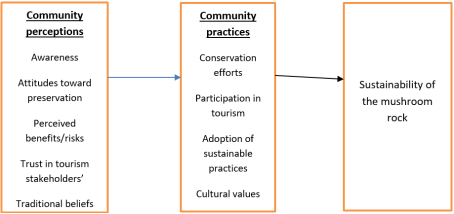
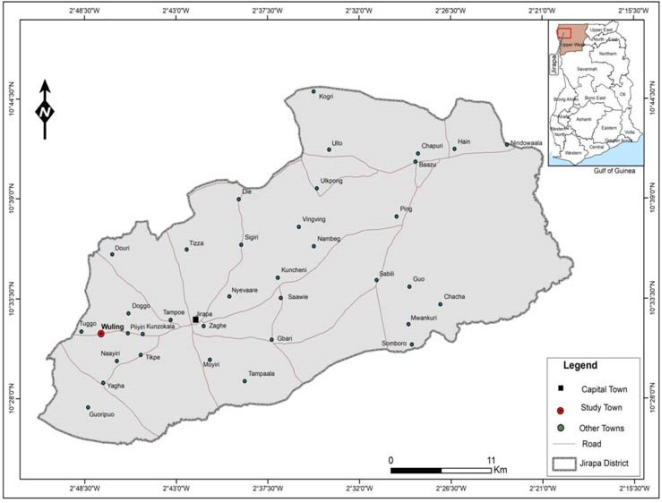
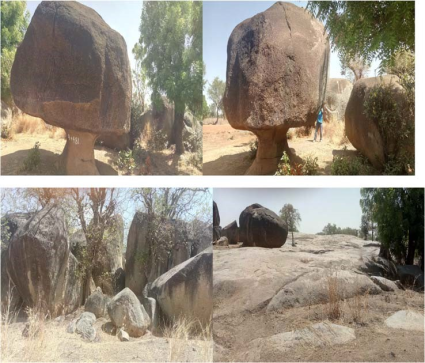
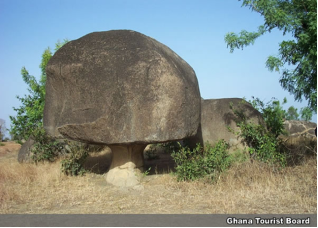
 Copy
Copy Download