Abstract
Autism spectrum disorder refers to social interaction deficits influencing learning, relationships with peers, and overall quality of life. In Bangladesh, research regarding the factors affecting interaction among children with autism is very limited. This study focused on the maternal, environmental, and socio-demographic factors that reveal social interaction outcomes for autistic children in northern Bangladesh, analyzing case stories and statements to provide context for the findings. This study adopted a mixed-methods approach, incorporating quantitative data collected from 246 parents and caregivers of autistic children aged between 3 and 18 years. A pilot study was conducted before starting the main study and reported some significant findings to conduct future study. The key factors include environmental exposures, maternal health and socio-demographic variables. The analysis was conducted regarding Chi-square tests and multivariate ordinal logistic regression to find out the associations. Qualitative data were collected from 13 key informants and 10 case studies, which collected the statements from caregivers, thereby evaluating the interpretation of the results. The quantitative findings revealed significant bivariate associations with ultrasonography (χ²=8.49, p=.014) and birthweight (χ²=10.66, p=.031). The multivariate analysis revealed maternal depression linked to poverty as a significant predictor of diminished peer interaction (AOR=0.04, 95% CI: 0.00–0.74, p=.030). Data provides information that mothers spoke of withdrawing from social gatherings due to depression related to poverty and also stated that they faced rejection from schools and relatives blamed mothers within joint family structures, and fathers felt scarcity due to the lack of inclusive educational facilities and opportunities. These narratives explained how quantitative predictors are related to socio-cultural contexts. Factors such as maternal depression, stigma, family dynamics, and systemic exclusion collectively contribute to social interaction deficits. There is an urgent need for interventions that focus on maternal mental health, promote inclusive education, and reduce stigma to improve peer engagement among autistic children in Bangladesh.
Keywords
Autism, Environmental, Maternal, Prenatal, Social Interaction
1. Introduction
Autism spectrum disorder (ASD) is a diverse neurodevelopmental condition marked by challenges in social communication and interaction, as well as restricted and repetitive behaviors
. Among these areas, challenges in social interaction frequently stand out as the most apparent and significant, influencing a child's capacity to form relationships, engage in learning, and adjust to social contexts. For children with ASD, these difficulties can intensify feelings of isolation and stigma, while also heightening the burden on caregivers and diminishing long-term prospects for inclusion in educational and professional environments
| [13] | Masi, A., DeMayo, M. M., Glozier, N., & Guastella, A. J. (2017). An overview of autism spectrum disorder, heterogeneity and treatment options. Neuroscience Bulletin, 33(2), 183–193. https://doi.org/10.1007/s12264-017-0100-y |
[13]
.
Globally, ASD affects approximately 1 in 100 children (World Health Organization
, Although prevalence estimates differ across regions and diagnostic criteria, in South Asia, which encompasses Bangladesh, there is a lack of comprehensive national prevalence data. However, local studies and reports from service providers suggest an increasing demand for services related to autism
| [7] | Hossain, M. D., Ahmed, H. U., Jalal Uddin, M. M., Chowdhury, W. A., Iqbal, M. S., Kabir, R. I., Chowdhury, I. A., Aftab, A., Datta, P. G., Rabbani, G., Hossain, S. W., & Sarker, M. (2017). Autism Spectrum disorders (ASD) in South Asia: a systematic review. BMC psychiatry, 17(1), 281.
https://doi.org/10.1186/s12888-017-1440-x |
[7]
. Notwithstanding this, the majority of studies conducted in the area have focused on general prevalence or clinical diagnoses, while significantly less emphasis has been placed on the factors influencing specific outcomes of Autism Spectrum Disorder (ASD), particularly in relation to social interaction. Grasping the predictors of interaction outcomes is crucial, as these behaviors are vital for both learning and overall quality of life.
From several research studies, it is found that the social engagement of children with autism is influenced by both biological and environmental factors. Factors such as maternal health and pregnancy-related issues, including depression, premature birth, and complications during delivery, have been associated with unfavorable social outcomes
| [6] | Gardener, H., Spiegelman, D., & Buka, S. L. (2011). Prenatal risk factors for autism: Comprehensive meta-analysis. British Journal of Psychiatry, 195(1), 7–14.
https://doi.org/10.1192/bjp.bp.108.051672 |
| [19] | Sandin, S., Schendel, D., Magnusson, P., Hultman, C., Surén, P., Susser, E., Grønborg, T., Gissler, M., Gunnes, N., Gross, R., Henning, M., Bresnahan, M., Sourander, A., Hornig, M., Carter, K., Francis, R., Parner, E., Leonard, H., Rosanoff, M., Stoltenberg, C., … Reichenberg, A. (2016). Autism risk associated with parental age and with increasing difference in age between the parents. Molecular psychiatry, 21(5), 693–700.
https://doi.org/10.1038/mp.2015.70 |
[6, 19]
. Environmental factors, such as indoor air pollution, noise pollution, and cigarette smoke, have been linked to impairments in socio-emotional development and interactions with peers
| [15] | Modabbernia, A., Velthorst, E., & Reichenberg, A. (2017). Environmental risk factors for autism: an evidence-based review of systematic reviews and meta-analyses. Molecular autism, 8, 13. https://doi.org/10.1186/s13229-017-0121-4 |
[15]
. Socio-demographic factors such as parental education, marital stability, and social support also affect social functioning by determining the quality of caregiving and the availability of interventions
| [20] | Spencer, S., Clegg, J., & Stackhouse, J. (2012). Language and disadvantage: A comparison of the language abilities of adolescents from different socio-economic backgrounds. International Journal of Language & Communication Disorders, 47(3), 274–284.
https://doi.org/10.1111/j.1460-6984.2011.00104.x |
[20]
. Nevertheless, the available evidence is still scarce in low- and middle-income country (LMIC) settings, where environmental and psychosocial risk factors tend to be more widespread and access to specialized interventions is often limited.
In Bangladesh, the inadequacy in social interaction is observed in autistic children, evident within complex sociocultural frameworks. The key challenges are related to poverty, inadequate maternal health resources, and limitations to early intervention services. Maternal depression during pregnancy, impacted by socio-economic problems and family discrepancy, has been identified as an important factor affecting child behavioral consequences.
| [8] | Islam, M. J., Baird, K., Mazerolle, P., & Broidy, L. (2021). Exploring maternal mental health in Bangladesh: Prevalence and risk factors. International Journal of Environmental Research and Public Health, 18(9), 4829.
https://doi.org/10.3390/ijerph18094829 |
[8]
. Perinatal complications, including low birthweight, prematurity, and cesarean deliveries, continue to be prevalent in rural regions
, There is a possibility of increased risks associated with impaired social interaction. Additionally, environmental exposures must be considered, given that numerous households depend on solid fuels for cooking, are situated in proximity to industrial areas, or are subjected to noise and air pollution elements that have been associated with negative neurodevelopment
| [17] | Rahman, M. M., Khan, M. A., & Hossain, M. A. (2019). Environmental exposures and child health in rural Bangladesh: A systematic review. BMC Public Health, 19, 938.
https://doi.org/10.1186/s12889-019-7296-9 |
[17]
.
The age during marriage, the age differences between spouses, and the bonding within the marriage affect both maternal health and the developmental issues for children
| [10] | Khan, S., Haque, M. N., & Md Shamim Hossen. (2021). Nutritional Status of Autistic School Children: An Evidence from Rajshahi City in Bangladesh. JSM Nutritional Disorders, 3(1), 1–5. https://doi.org/10.47739/2578-3203/1010 |
[10]
. Furthermore, the common social stigma related to autism in Bangladesh frequently creates obstacles against opportunities for children to engage with their similar age group, thereby creating interaction deficits and sustaining feelings of isolation
| [3] | Akter, S., Rahman, M., & Uddin, M. (2020). Social stigma and autism in Bangladesh: A qualitative exploration of parental perspectives. Asian Journal of Psychiatry, 54, 102306.
https://doi.org/10.1016/j.ajp.2020.102306 |
[3]
. These realities emphasize the necessity of investigating both biomedical factors as well as the influences at the familial and community levels.
The theoretical foundation of the study is informed by various frameworks. The Knowledge, Attitudes, and Practices (KAP) model serves as a framework for comprehending how parental awareness and practices affect children's opportunities for interaction.
The purpose of this research was focused on assessing maternal health and pregnancy-related complications concerning social interaction deficits in autistic children, as well as examining the effects of environmental factors (such as dust, smoke, heavy metal, chemical exposure, and noise) on social interaction outcomes. Additionally, the study sought to analyze the role of socio-demographic and familial elements (including education, family structure, parental support, and marital harmony) in shaping the social interaction behaviors of children.
1.1. Global Evidence on ASD and Social Interaction Deficits
Autism spectrum disorder (ASD) is a multifaceted neurodevelopmental condition characterized by enduring challenges in social communication and interaction, as well as restricted and repetitive behaviors
. Among these, difficulties in social interaction are frequently the most apparent, influencing the manner in which children connect with their peers, family, and community. Further evidence indicated that complications in maternal health and antenatal exposures are significant predictors of ASD outcomes in a multi-site study. Birthweight and prematurity continue to be vital factors; low birthweight has been linked to compromised social functioning in various contexts
| [11] | de Kieviet, J. F., Zoetebier, L., van Elburg, R. M., Vermeulen, R. J., & Oosterlaan, J. (2012). Brain development of very preterm and very low-birthweight children in childhood and adolescence: a meta-analysis. Developmental medicine and child neurology, 54(4), 313–323.
https://doi.org/10.1111/j.1469-8749.2011.04216.x |
| [24] | Yuan, J. J., Zhao, Y. N., Lan, X. Y., Zhang, Y., & Zhang, R. (2024). Prenatal, perinatal and parental risk factors for autism spectrum disorder in China: a case- control study. BMC psychiatry, 24(1), 219.
https://doi.org/10.1186/s12888-024-05643-0 |
[11, 24]
.
Recent research highlights that outcomes for ASD, particularly in social interaction, are shaped by the interaction of genetic factors, prenatal influences, perinatal issues, and socio-environmental circumstances
| [12] | Love, C., Sominsky, L., O'Hely, M., Berk, M., Vuillermin, P., & Dawson, S. L. (2024). Prenatal environmental risk factors for autism spectrum disorder and their potential mechanisms. BMC medicine, 22(1), 393.
https://doi.org/10.1186/s12916-024-03617-3 |
| [24] | Yuan, J. J., Zhao, Y. N., Lan, X. Y., Zhang, Y., & Zhang, R. (2024). Prenatal, perinatal and parental risk factors for autism spectrum disorder in China: a case- control study. BMC psychiatry, 24(1), 219.
https://doi.org/10.1186/s12888-024-05643-0 |
[12, 24]
. Narrative reviews emphasize that the conditions experienced by mothers during pregnancy, along with family dynamics, play a crucial role in determining the severity of interaction deficits
| [1] | Abdelkader, A., AlRadini, F., Alosaimi, A., Abbas, A., Judeh, Z., Emy Abu Esaid, T., Saleh, A., Shah, J., & Amer, S. (2024). Unveiling the influences of prenatal and maternal factors on the journey of an autistic child. Frontiers in psychiatry, 15, 1467821.
https://doi.org/10.3389/fpsyt.2024.1467821 |
[1]
.
1.2. Maternal and Prenatal Health Factors
During pregnancy, maternal health issues have been consistently associated with neurodevelopmental outcomes in children, especially regarding social functioning in Autism Spectrum Disorder (ASD). It is found that prenatal maternal depression reveals significant importance, as it has been correlated with disrupted maternal–child bonding and an intense risk of ASD characteristics
| [4] | Avalos, L. A., Chandran, A., Churchill, M. L., Gao, X., Ames, J. L., Nozadi, S. S., Roubinov, D., Brennan, P. A., Bush, N. R., Camargo, C. A., Carroll, K. N., Cioffi, C. C., Ferrara, A., Goldson, B., Hedderson, M. M., Hipwell, A. E., Kerver, J. M., O'Connor, T. G., Porucznik, C. A., Shuffrey, L. C., … (2023). Prenatal depression and risk of child autism-related traits among participants in the Environmental influences on Child Health Outcomes program. Autism research: official journal of the International Society for Autism Research, 16(9), 1825–1835. https://doi.org/10.1002/aur.2988 |
| [8] | Islam, M. J., Baird, K., Mazerolle, P., & Broidy, L. (2021). Exploring maternal mental health in Bangladesh: Prevalence and risk factors. International Journal of Environmental Research and Public Health, 18(9), 4829.
https://doi.org/10.3390/ijerph18094829 |
[4, 8]
. In Bangladesh, the significant factors contributing to maternal depression include socio-economic stress and marital discord, which can, in turn, diminish a mother's responsiveness to her children's social signals
| [8] | Islam, M. J., Baird, K., Mazerolle, P., & Broidy, L. (2021). Exploring maternal mental health in Bangladesh: Prevalence and risk factors. International Journal of Environmental Research and Public Health, 18(9), 4829.
https://doi.org/10.3390/ijerph18094829 |
[8]
.
Recent systematic reviews have underscored the association of gestational diabetes mellitus, maternal infections, and obesity with heightened risks of ASD and more significant social deficits
| [1] | Abdelkader, A., AlRadini, F., Alosaimi, A., Abbas, A., Judeh, Z., Emy Abu Esaid, T., Saleh, A., Shah, J., & Amer, S. (2024). Unveiling the influences of prenatal and maternal factors on the journey of an autistic child. Frontiers in psychiatry, 15, 1467821.
https://doi.org/10.3389/fpsyt.2024.1467821 |
| [12] | Love, C., Sominsky, L., O'Hely, M., Berk, M., Vuillermin, P., & Dawson, S. L. (2024). Prenatal environmental risk factors for autism spectrum disorder and their potential mechanisms. BMC medicine, 22(1), 393.
https://doi.org/10.1186/s12916-024-03617-3 |
[1, 12]
. Further evidence indicated that complications in maternal health and antenatal exposures are significant predictors of ASD outcomes in a multi-site study. Birthweight and prematurity continue to be vital factors; low birthweight has been linked to compromised social functioning in various contexts
| [11] | de Kieviet, J. F., Zoetebier, L., van Elburg, R. M., Vermeulen, R. J., & Oosterlaan, J. (2012). Brain development of very preterm and very low-birthweight children in childhood and adolescence: a meta-analysis. Developmental medicine and child neurology, 54(4), 313–323.
https://doi.org/10.1111/j.1469-8749.2011.04216.x |
| [24] | Yuan, J. J., Zhao, Y. N., Lan, X. Y., Zhang, Y., & Zhang, R. (2024). Prenatal, perinatal and parental risk factors for autism spectrum disorder in China: a case- control study. BMC psychiatry, 24(1), 219.
https://doi.org/10.1186/s12888-024-05643-0 |
[11, 24]
.
This research indicates that ultrasonography is linked to enhanced interaction outcomes at the bivariate level; however, broader evidence implies that ultrasound ought to be viewed as an indicator of prenatal care usage instead of a direct causal factor
| [5] | Christensen, D., Pazol, K., Overwyk, K. J., England, L. J., Alexander, A. A., Croen, L. A., Dowling, N. F., Schieve, L. A., Tian, L. H., Tinker, S. C., Windham, G. C., Callaghan, W. M., & Shapira, S. K. (2023). Prenatal ultrasound uses and risk of autism spectrum disorder: Findings from the case-control Study to Explore Early Development. Paediatric and perinatal epidemiology, 37(6), 527–535.
https://doi.org/10.1111/ppe.12998 |
[5]
.
1.3. Environmental Exposures
In addition to biological and maternal influences, environmental factors encountered during pregnancy and early childhood play a significant role in shaping socio-emotional development. In low- and middle-income nations, common issues such as household air pollution, reliance on solid fuels, and exposure to tobacco smoke have been linked to delays in cognitive and social development
| [17] | Rahman, M. M., Khan, M. A., & Hossain, M. A. (2019). Environmental exposures and child health in rural Bangladesh: A systematic review. BMC Public Health, 19, 938.
https://doi.org/10.1186/s12889-019-7296-9 |
[17]
. Another study identified toxicant exposures—including air pollution and heavy metals—as emerging prenatal risk factors for ASD
| [12] | Love, C., Sominsky, L., O'Hely, M., Berk, M., Vuillermin, P., & Dawson, S. L. (2024). Prenatal environmental risk factors for autism spectrum disorder and their potential mechanisms. BMC medicine, 22(1), 393.
https://doi.org/10.1186/s12916-024-03617-3 |
[12]
. Likewise, maternal use of cannabis or alcohol during pregnancy has been associated with socio-behavioral challenges, underscoring the vulnerability of fetal neurodevelopment to environmental toxicants.
| [21] | Tadesse, A. W., Ayano, G., Dachew, B. A., Betts, K., & Alati, R. (2024). Exposure to maternal cannabis use disorder and risk of autism spectrum disorder in offspring: A data linkage cohort study. Psychiatry research, 337, 115971.
https://doi.org/10.1016/j.psychres.2024.115971 |
[21]
.
In Bangladesh, numerous households face environmental hazards as a result of industrialization, pesticide application, and elevated levels of air pollution from traffic
| [17] | Rahman, M. M., Khan, M. A., & Hossain, M. A. (2019). Environmental exposures and child health in rural Bangladesh: A systematic review. BMC Public Health, 19, 938.
https://doi.org/10.1186/s12889-019-7296-9 |
[17]
.
1.4. Socio-demographic and Familial Influences
Socio-demographic factors such as the age, education, occupation of parents, and family income significantly influence child development outcomes. A case-control study conducted in Bangladesh indicated that maternal age of 35 years or older, increased paternal age, prematurity, perinatal asphyxia, and low birth weight were notably linked to autism spectrum disorder
| [18] | Syfullah, K., Ali, G., Arjumand, M., Ahmed, G., Pervez, A., Hossain, M., Hasan, A., Ahmed, D. K., & Syfullah, M. (2024). Sociodemographic and Perinatal Risk Factors for Autism Spectrum Disorder: A Case-control Study. BSMMCJ, 3(2), 63–69. https://www.banglajol.info/index.php/BSMMCJ/article/view/75881 |
[18]
. These results are consistent with research from Armenia and other regions that connect preterm births, neonatal complications, and parental socio-economic conditions to ASD
| [14] | Mkhitaryan, M., Avetisyan, T., Mkhoyan, A., Avetisyan, L., & Yenkoyan, K. (2024). A case-control study on pre-, peri-, and neonatal risk factors associated with autism spectrum disorder among Armenian children. Scientific reports, 14(1), 12308.
https://doi.org/10.1038/s41598-024-63240-3 |
[14]
.
The kind of family also affects social interactions. Although joint families may be helpful for additional caregiving resources, caregiving approaches and social stigma within the household can create barriers to children's chances for peer interaction
| [3] | Akter, S., Rahman, M., & Uddin, M. (2020). Social stigma and autism in Bangladesh: A qualitative exploration of parental perspectives. Asian Journal of Psychiatry, 54, 102306.
https://doi.org/10.1016/j.ajp.2020.102306 |
[3]
. Birth order also may be a risk factor; children born later are occasionally associated with a greater risk of ASD characteristics
| [9] | Imran, M. A., Islam, M. S., Hossain, M. S., Shahina Pardhan, Bari, N., & Zebunnesa Zeba. (2025). Knowledge and practice among caregivers having children with autism in Bangladesh: findings from a cross-sectional study. BMC Research Notes, 18(1). https://doi.org/10.1186/s13104-024-07074-2 |
[9]
. In Bangladesh, the bonding between spouses and their support for one another is very important, as poor relationships between father and mother may cause maternal depression, which adversely impacts children's social functioning
| [10] | Khan, S., Haque, M. N., & Md Shamim Hossen. (2021). Nutritional Status of Autistic School Children: An Evidence from Rajshahi City in Bangladesh. JSM Nutritional Disorders, 3(1), 1–5. https://doi.org/10.47739/2578-3203/1010 |
[10]
.
Moreover, the knowledge and practices of caregivers significantly influence the opportunities for social interaction. A recent investigation in Mymensingh found that caregivers of children with ASD possessed limited knowledge and practices concerning autism care, regardless of their socio-demographic backgrounds, indicating systemic deficiencies in awareness and access to training
| [9] | Imran, M. A., Islam, M. S., Hossain, M. S., Shahina Pardhan, Bari, N., & Zebunnesa Zeba. (2025). Knowledge and practice among caregivers having children with autism in Bangladesh: findings from a cross-sectional study. BMC Research Notes, 18(1). https://doi.org/10.1186/s13104-024-07074-2 |
[9]
.
1.5. Bangladesh and South Asian Context
In South Asia, the research concerning Autism Spectrum Disorder (ASD) has predominantly concentrated on its prevalence and diagnostic criteria, while social interaction outcomes have received comparatively little focus. Bangladesh encounters distinct socio-cultural obstacles: poverty, stigma, and a lack of inclusive educational opportunities significantly diminish the chances for autistic children to engage with their peers
. Parents frequently express feelings of shame and isolation, and societal stigma further limits children's access to social environments
| [3] | Akter, S., Rahman, M., & Uddin, M. (2020). Social stigma and autism in Bangladesh: A qualitative exploration of parental perspectives. Asian Journal of Psychiatry, 54, 102306.
https://doi.org/10.1016/j.ajp.2020.102306 |
[3]
.
Perinatal complications, such as low birthweight, premature delivery, and cesarean sections, are widely common in rural Bangladesh
, which are associated with adverse social outcomes. Although these barriers have been acknowledged, the interventions to overcome these challenges remain insufficient. Programs for early detection are rare, and the development of inclusive education is lacking, compelling families to depend largely on informal caregiving. Studies conducted in the region corroborate these difficulties, revealing a limited institutional capacity to facilitate socialization for autistic children
| [7] | Hossain, M. D., Ahmed, H. U., Jalal Uddin, M. M., Chowdhury, W. A., Iqbal, M. S., Kabir, R. I., Chowdhury, I. A., Aftab, A., Datta, P. G., Rabbani, G., Hossain, S. W., & Sarker, M. (2017). Autism Spectrum disorders (ASD) in South Asia: a systematic review. BMC psychiatry, 17(1), 281.
https://doi.org/10.1186/s12888-017-1440-x |
[7]
.
This research, which centers on the factors influencing social interaction in Northern Bangladesh, aims to fill this significant evidence gap by correlating maternal, environmental, and familial factors with outcomes related to peer interaction.
2. Methodology
2.1. Study Design and Approach
This research conducted by using a mixed-methods design, which consists both quantitative and qualitative data to explore the factors influence social interaction deficits in children diagnosed with autism spectrum disorder (ASD) in northern Bangladesh. By blending these two approaches, the study identified both quantifiable relationships and contextual perception regarding the interaction behaviors of these children. Quantitative information was gathered through structured questionnaires dispersed to parents and caregivers, while qualitative data were received from key informant interviews (KIIs) and detailed case studies. This methodology used in this study explained the understanding of how maternal, environmental, and socio-demographic factors affect social interactions in children with autism.
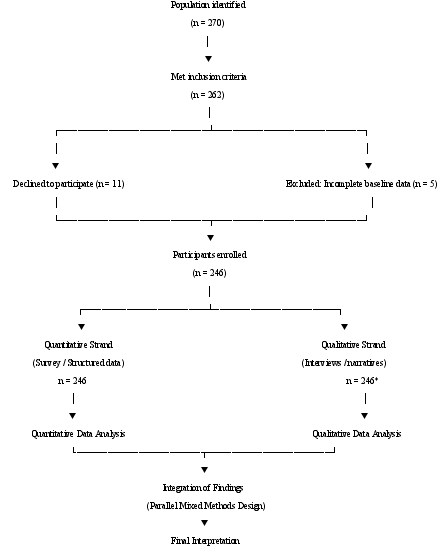
Figure 1. Mixed Method Parallel Design Flow Diagram.
* In parallel mixed methods, the qualitative sample is the same as the participants of 246 because all participants provided the same numeric and narrative data in this study.
2.2. Study Area
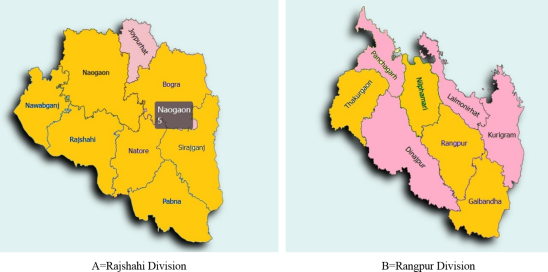
The study was conducted in specific districts within the Rajshahi and Rangpur divisions, situated in northern Bangladesh. These divisions were intentionally selected because of their comparatively high rates of registered autistic children, as documented by the Ministry of Social Welfare. Districts with larger sample sizes were given priority to improve statistical power and ensure representativeness. The research area includes both rural and urban environments, reflecting differences in access to healthcare services, environmental factors, and family support systems. This geographic variety offered a significant foundation for examining the contextual factors affecting children's social interaction outcomes.
Figure 2. Study area of Rajshahi (A) and Rangpur (B) division in Bangladesh (marked with yellow color).
2.3. Study Population
The research population consisted of children diagnosed with Autism Spectrum Disorder (ASD) between the ages of 3 and 18 years, all of whom were officially registered with Protibondhi Seba O Sahajjyo Kendro (PSOSK) under the Ministry of Social Welfare and were enrolled in special educational institutions located in the Rajshahi and Rangpur divisions. The primary respondents for the survey were the parents or primary caregivers of these children. Furthermore, supplementary data was collected from key informants, which included consultants at PSOSK centers and the principals of special schools. These informants offered valuable perspectives on the institutional challenges and family-level dynamics that affect the social behavior of children. It is important to note that children who did not have a confirmed diagnosis of ASD or whose caregivers opted out of participation were excluded from the study.
2.4. Sample Size Determination
The sample size was determined by using the formula of Krejcie and Morgan
. The sample size was 270, where the confidence level is 95% and has a 5% margin of error. This is based on the estimated population out of 900 autistic children in the study area. The dataset finally included 246 completed responses, which represents over 90% of the required sample size, providing the study enough statistical power to find significant links in both bivariate and multivariate analyses.
2.5. Sampling Technique
A simple random sampling method was utilized to guarantee the representativeness of the study population. Registered autistic children were chosen from the lists of PSOSK and special schools through the use of random number generation. Proportional sampling across various districts ensured sufficient representation from both the Rajshahi and Rangpur divisions. For the qualitative aspect, purposive sampling was employed to select key informants, which included 10 consultants and 3 principals of special schools, as well as 10 families for case studies. The criteria for selecting case studies encompassed a range of socio-economic statuses, urban-rural distribution, and the severity of ASD symptoms, thereby facilitating maximum variation.
2.6. Data Collection Methods
2.6.1. Questionnaire Survey
Structured questionnaires were given to parents and caregivers of autistic children to get information about maternal health and pregnancy-related risk factors (like delivery method, prematurity, micronutrient consumption, and depression), environmental factors (like household air pollution, proximity to industrial areas, and paternal smoking), and socio-demographic information (like parental education, age at marriage, and family composition). Before being used, the instrument was tested in a pilot program to make sure it was clear and reliable. Interviews were oriented face-to-face, and also mobile and digital communication systems were used for convenience and the best outcome. The informed consent was taken from each person before the interview.
2.6.2. Key Informant Interviews
A total of 13 Key Informant Interviews (KIIs) were conducted with the consultants of PSOSK and principals of the special schools. These interviews investigated viewpoints of those at the institute regarding the interaction barriers and challenges faced by autistic children, obstacles to peer interaction, and different familial factors that affect social behavior. The informants also offered insights into the local service provision and the availability of resources. The data obtained from the KIIs enhanced the quantitative findings and contributed to elucidating the patterns of social interaction observed in various household and community contexts.
2.6.3. Case Studies
In order to gain a more profound understanding of family dynamics and the environmental influences that shape interactions, 10 case studies were carried out one from each district. These narratives illuminated the lived experiences of children with ASD, the coping strategies employed by parents, and the interaction patterns observed with siblings, peers, and members of the community. The case studies provided significant qualitative depth for interpreting statistical associations, especially concerning the impact of poverty, maternal depression, and social support.
2.6.4. Pilot Study Description
Pilot Study Title: Influence of Prenatal and Familial Factors on Social Interaction Deficits in Children with Autism Spectrum Disorder in Northern Bangladesh.
Background: Autism Spectrum Disorder (ASD) is characterized by social interaction deficits, communication difficulties, and repetitive behaviors. Prenatal and familial factors have been suggested to influence the severity and manifestation of social interaction deficits in children with ASD. However, limited research has been conducted in the context of Northern Bangladesh, where socio-cultural and environmental factors may uniquely affect these outcomes.
Objective: This pilot study aims to explore the potential influence of prenatal and familial factors on social interaction deficits among children diagnosed with ASD in Northern Bangladesh, to inform the design of a larger-scale study.
Methodology
Sample: A convenience sample of 15 children aged 3-10 years diagnosed with ASD was recruited from local clinics and special education centers in Northern Bangladesh.
Data Collection: Data on prenatal factors (maternal health during pregnancy, exposure to toxins, prenatal care) and familial factors (family history of ASD or other neurodevelopmental disorders, parental age, socioeconomic status, family structure) were collected through caregiver interviews and medical records.
Assessment of Social Interaction Deficits: The severity of social interaction deficits was measured using a culturally adapted version of the Autism Diagnostic Observation Schedule (ADOS) and caregiver-reported Social Responsiveness Scale (SRS).
Analysis: Descriptive statistics and preliminary correlation analyses were conducted to identify possible associations between prenatal/familial factors and social interaction deficits.
Results: Initial findings indicated trends suggesting that maternal health complications during pregnancy and a positive family history of neurodevelopmental disorders were associated with greater social interaction deficits. Children from lower socioeconomic backgrounds also showed increased severity, although these results require further investigation with a larger sample.
Conclusion: This pilot study highlights the feasibility of investigating prenatal and familial influences on ASD-related social interaction deficits in Northern Bangladesh. The preliminary data support the need for a larger, more comprehensive study to better understand these relationships and to develop targeted interventions.
Recommendations for Future Research: Expand the sample size to improve statistical power. Include longitudinal follow-up to assess developmental route. Incorporate biological markers to complement caregiver reports. Consider socio-cultural factors unique to Northern Bangladesh in study design and interpretation.
2.7. Data Processing and Analysis
Survey data were systematically coded, entered, and analyzed utilizing the Statistical Package for the Social Sciences (SPSS, version 29). Descriptive statistics were employed to encapsulate the socio-demographic characteristics of the sample, which included frequencies, percentages, and measures of central tendency.
Predictors and social interaction outcomes (Q33) were investigated by using bivariate associations through cross-tabulations and Pearson’s chi-square tests. The predictors were categorized into three domains: maternal/pregnancy-related factors, environmental toxicants, and socio-demographic and familial issues. Variables that achieved statistical significance in the bivariate analysis (p<0.05) were advanced into multivariate models.
Ordinal logistic regression (OLR) was utilized, treating Q33 as an ordinal dependent variable with three distinct categories. The independent variables encompassed mode of delivery, birthweight, ultrasonography, maternal depression, and socio-demographic factors such as parental education and marital patterns. Adjusted odds ratios (AORs) with 95% confidence intervals were reported to quantify the associations. The performance of the model was assessed using −2 Log Likelihood, Cox and Snell R², Nagelkerke R², and McFadden R². Additionally, Pearson and deviance chi-square tests were conducted to evaluate the model fit.
Qualitative data derived from Key Informant Interviews (KIIs) and case studies were transcribed, translated into English, and analyzed thematically. The emerging themes encompassed peer rejection, family support, the stigma associated with autism, and the influence of poverty-related maternal depression on interaction outcomes. The integration of qualitative and quantitative findings enhanced the interpretive depth of the study.
2.8. Missing Data
Of the 270 individuals assessed for eligibility, 262 met the inclusion criteria. 11 participants declined to participate, and 5 were excluded due to incomplete baseline data. A total of 246 participants were included in the final analysis. Missing data accounted for 2% of total responses and were handled using multiple imputation. If Missing Data Were Minimal: Missing data were minimal (<5%) and were treated using listwise deletion, as the proportion was unlikely to affect the overall findings.
2.9. Ethical Considerations
Written informed consent was obtained from all parents and caregivers involved, who were guaranteed confidentiality and the option to withdraw at any point. To reduce risk, children were not interviewed directly, and all information was provided by their caregivers. Key informants also agreed to participate, and their responses were kept anonymous. Data was securely stored with access limited solely to the research team. IRB approval is not taken as this is a non-experimental observational research and the study involves minimal risk to participants, does not include interventions or manipulations, and collects data through observation without identifying individuals. However, we still ensure ethical standards are met, including protecting participant privacy and confidentiality, and verify institutional policies to confirm that IRB approval is not required for their specific observational study.
2.10. Rationale for Focusing on Social Interaction
This article particularly highlights the importance of social interaction (Q33) as it serves as a fundamental aspect of child development and represents a significant area of impairment in ASD. Deficiencies in peer interaction enhance social isolation, create barriers in learning opportunities, and lead to abiding challenges in both education and employment. Although autism includes a broad umbrella of behavioral and communication disorders, communication with other children serves as a direct measure of social functioning. Thus, investigating maternal, environmental, and socio-demographic factors influencing this outcome is essential for recognizing risk factors and potential intervention strategies within the Bangladeshi context.
3. Results
3.1. The Sociodemographic Profile of Respondents
The sociodemographic characteristics of the respondents were consistent with those summaries in (
Table 1). A significant proportion of fathers (48.8%) were graduate or higher education, whereas 22.4% of mothers were illiterate. Joint family structures were the most common, comprising 85.0% of the sample, and nearly half of the mothers were married before reaching the age of 18 (46.3%). Male children constituted 71.1% of the participants, and a high level of supportive spousal relationships was reported by 95.5% of the respondents.
Table 1. Sociodemographic characteristics of respondents.
Variable | Category | n | % |
Father’s education | Illiterate | 47 | 19.1 |
Primary | 35 | 14.2 |
SSC–HSC | 44 | 17.9 |
Graduate/above | 120 | 48.8 |
Mother’s education | Illiterate | 55 | 22.4 |
Primary | 55 | 22.4 |
SSC–HSC | 76 | 30.9 |
Graduate/above | 60 | 24.4 |
Father’s occupation | Government job | 33 | 13.4 |
NGO | 50 | 20.3 |
Autonomous | 72 | 29.3 |
Business | 61 | 24.8 |
Informal/Others | 30 | 12.2 |
Mother’s occupation | Housewife | 217 | 88.2 |
Working mother | 29 | 11.8 |
Family type | Nuclear | 37 | 15 |
Joint | 209 | 85 |
Father’s age at marriage | <20 years | 20 | 8.1 |
20–29 years | 165 | 67.1 |
≥30 years | 61 | 24.8 |
Mother’s age at marriage | <18 years | 114 | 46.3 |
18–24 years | 105 | 42.7 |
≥25 years | 27 | 11 |
Parental age gap | ≤2 years | 15 | 6.1 |
3–6 years | 109 | 44.3 |
≥7 years | 122 | 49.6 |
Child age group | 3–5 years | 17 | 6.9 |
6–11 years | 116 | 47.2 |
12–17 years | 78 | 31.7 |
≥18 years | 35 | 14.2 |
Child sex | Male | 175 | 71.1 |
Female | 71 | 28.9 |
Parental bond (pregnancy) | Poor bond | 11 | 4.5 |
Supportive bond | 235 | 95.5 |
Father detached for job | No | 204 | 82.9 |
Yes | 42 | 17.1 |
Father late return from job | No | 134 | 54.5 |
Yes | 112 | 45.5 |
Good relation with neighbours | No | 11 | 4.5 |
Yes | 235 | 95.5 |
Table 2. Bivariate Analysis.
Predictor Variable | Never/Rare n (%) | Occasionally n (%) | Frequently n (%) | χ² (df) | p-value |
Maternity leave (Q8) | | | | 0.006 (2) | .997 |
<6 months | 11 (68.8) | 4 (25.0) | 1 (6.3) | | |
≥6 months | 156 (67.8) | 59 (25.7) | 15 (6.5) | | |
Ultrasonography (Q19) | | | | 8.49 (2) | .014* |
No | 41 (85.4) | 6 (12.5) | 1 (2.1) | | |
Yes | 126 (63.6) | 57 (28.8) | 15 (7.6) | | |
No. of USG scans (Q20) | | | | 5.85 (4) | .211 |
1 scan | 42 (75.0) | 10 (17.9) | 4 (7.1) | | |
2–3 scans | 76 (60.3) | 40 (31.7) | 10 (7.9) | | |
≥4 scans | 8 (50.0) | 7 (43.8) | 1 (6.3) | | |
Drug intake (Q21a) | | | | 2.90 (2) | .235 |
No | 153 (69.5) | 54 (24.5) | 13 (5.9) | | |
Yes | 14 (53.8) | 9 (34.6) | 3 (11.5) | | |
Iron/Folic/Calcium (Q21b) | | | | 3.03 (2) | .220 |
No | 27 (73.0) | 10 (27.0) | 0 (0.0) | | |
Yes | 140 (67.0) | 53 (25.4) | 16 (7.7) | | |
Tetanus vaccine (Q21c) | | | | 0.92 (2) | .632 |
No | 9 (75.0) | 3 (25.0) | 0 (0.0) | | |
Yes | 158 (67.5) | 60 (25.6) | 16 (6.8) | | |
Type of delivery (Q22) | | | | 4.52 (2) | .104 |
Normal vaginal | 117 (72.2) | 37 (22.8) | 8 (4.9) | | |
Cesarean | 50 (59.5) | 26 (31.0) | 8 (9.5) | | |
Status of newborn (Q23) | | | | 3.50 (4) | .478 |
Premature | 34 (64.2) | 13 (24.5) | 6 (11.3) | | |
Mature | 120 (69.8) | 44 (25.6) | 8 (4.7) | | |
Postmature | 13 (61.9) | 6 (28.6) | 2 (9.5) | | |
Birthweight (Q24) | | | | 10.66 (4) | .031* |
Low (<2.5 kg) | 16 (84.2) | 1 (5.3) | 2 (10.5) | | |
Normal (2.5–3.9 kg) | 40 (75.5) | 11 (20.8) | 2 (3.8) | | |
High (≥4.0 kg) | 68 (57.1) | 40 (33.6) | 11 (9.2) | | |
Maternal depression (Q61) | | | | 4.47 (2) | .107 |
No | 51 (59.3) | 28 (32.6) | 7 (8.1) | | |
Yes | 116 (72.5) | 35 (21.9) | 9 (5.6) | | |
Reasons depression (Q62) | | | | 4.51 (4) | .342 |
Poverty/Stress | 23 (88.5) | 3 (11.5) | 0 (0.0) | | |
Familial disharmony | 64 (68.8) | 23 (24.7) | 6 (6.5) | | |
Conjugal disharmony | 29 (70.7) | 9 (22.0) | 3 (7.3) | | |
Table 2 presents a summary of the relationships between predictors and child interaction outcomes. The majority of maternal and environmental factors, including maternity leave (χ²=0.006, p=.997), the number of ultrasonography scans (χ²=5.85, p=.211), micronutrient supplementation (χ²=3.03, p=.220), tetanus vaccination (χ²=0.92, p=.632), and maternal depression (χ²=4.47, p=.107), did not show significant associations.
3.2. Nevertheless, Two Predictors Were Found to Be Significant
Ultrasonography during pregnancy was significantly correlated with interaction outcomes (χ²=8.49, p=.014). Children whose mothers had ultrasonography were more likely to engage in occasional or frequent interactions with peers.
Birthweight also demonstrated significance (χ²=10.66, p=.031), indicating that children with higher birthweights were more frequently classified as having occasional or frequent interactions.
These results underscore the potential influence of both prenatal monitoring and birthweight on the social interaction patterns of autistic children.
3.3. Multivariate Analysis
The ordinal logistic regression model (
Table 3) provided further insights into the predictors of interaction. Maternity leave of less than 6 months was positively correlated with increased odds of interaction (AOR=4.22, 95% CI: 0.50–35.9, p=.187), although this was not statistically significant. The significance of ultrasonography scans did not persist in the adjusted model.
3.4. Two Significant Observations Were Made
The intake of iron/folic acid/calcium seemed to distort the model (AOR≈0, p=.000), likely due to its near-universal coverage, indicating a potential quasi-complete separation issue.
Maternal depression linked to poverty exhibited a significant association with lower odds of improved interaction (AOR=0.04, 95% CI: 0.00–0.74, p=.030).
The model's performance was deemed acceptable (−2 Log Likelihood = 140.8; Nagelkerke R² =.168; McFadden R² =.090), reflecting a modest level of explanatory power.
Table 3. Multivariate Ordinal Logistic Regression Predicting Interaction with Other Children (Q33).
Predictor Variable | Category | AOR | 95% CI (Lower–Upper) | p-value |
Maternity leave (Q8) | <6 mo vs ≥6 mo | 4.22 | 0.50–35.9 | 0.187 |
No. of USG scans (Q20) | 1 vs ≥4 | 0.56 | 0.08–4.0 | 0.554 |
2–3 vs ≥4 | 1.01 | 0.19–5.39 | 0.994 |
Drug intake (Q21a) | No vs Yes | 0.77 | 0.18–3.33 | 0.731 |
Iron/Folic/Calcium (Q21b) | No vs Yes | 0 | — | .000*** |
Type of delivery (Q22) | Normal vs C-section | 0.57 | 0.19–1.75 | 0.325 |
Status of newborn (Q23) | Premature vs Postmature | 0.53 | 0.10–2.91 | 0.46 |
Mature vs Postmature | 1.07 | 0.25–4.59 | 0.929 |
Birthweight (Q24) | Low vs High | 4.29 | 0.55–33.4 | 0.165 |
Normal vs High | 0.9 | 0.37–2.68 | 0.85 |
Depression reason (Q62) | Poverty vs Conjugal | 0.04 | 0.00–0.74 | .030* |
Familial vs Conjugal | 0.92 | 0.30–2.88 | 0.888 |
Model Fit: −2LL = 140.8; Cox & Snell R² =.134; Nagelkerke R² =.168; McFadden R² =.090; HL test ns.
3.5. Qualitative Findings: Case Stories and Narratives
The qualitative aspect of the data focused the influence of maternal, familial, and socio-cultural elements on the opportunities for children's peer interactions.
3.5.1. Case Story 1: Maternal Depression and Isolation Due to Poverty
A mother living in a rural area gave the statement, "At times, I find myself depressed because I am unable to provide sufficient food or toys and other facilities for my son, which causes me to avoid taking him outside"
. Her depression, primarily resulting from poverty, caused her to keep her child away from social environments, resulting in restrictions on peer interaction.
3.5.2. Case Story 2: Stigma and Exclusion from School
One family faced difficulties when trying to admit their son to a mainstream school and faced rejection. The mother stated, "Other parents requested the teacher not to place my child in the same class with autistic children, claiming he would create problems in their children's learning and may fight with him"
| [3] | Akter, S., Rahman, M., & Uddin, M. (2020). Social stigma and autism in Bangladesh: A qualitative exploration of parental perspectives. Asian Journal of Psychiatry, 54, 102306.
https://doi.org/10.1016/j.ajp.2020.102306 |
[3]
. As a result, the child became more withdrawn, revealing how stigma within educational contexts encourages social isolation.
3.5.3. Case Story 3: Conflicts Within Joint Families and Social Barriers
In Rajshahi, disagreements among a child's relatives related to the caregiving approach were evident. The mother stated, "My in-laws often blamed mothers for the child's autism, trying to make it relate to their sins or failures in caregiving"
. These types of disputes resulted in creating barriers in caregiving and stopped the child's ability to play outdoors with others, revealing how family dynamics can create obstacles in social opportunities.
3.5.4. Case Story 4: Low Birthweight and Limited Peer Engagement
An autistic girl, who was born with low birthweight, frequently faced obstacles to playing with her peers: "Children who were born with physical problems or who were weak or small were repeatedly left out of play by others, who labeled them as 'sickly'"
| [17] | Rahman, M. M., Khan, M. A., & Hossain, M. A. (2019). Environmental exposures and child health in rural Bangladesh: A systematic review. BMC Public Health, 19, 938.
https://doi.org/10.1186/s12889-019-7296-9 |
[17]
. Despite her desire to participate, her health challenges embarrassed sustained peer interaction.
3.5.5. Case Story 5: Absence of Inclusive Education
A father faced several unsuccessful initiatives to admit his son in school: "We attempted to admit our son in different schools, but all of them denied. Without engagement to school, he lacks friends and spends his daily activities isolated at home"
. The restriction in inclusive education has deprived the child of opportunities to form peer relationships.
Together, these accounts illustrate the intersection of maternal depression, stigma, family discord, biomedical vulnerabilities, and structural exclusion in influencing interaction outcomes, thereby complementing the quantitative findings.
The five case studies emphasize the complex challenges that affect social interaction among autistic children in northern Bangladesh. Maternal depression caused by poverty (Case 1) significantly reduced opportunities for peer interaction, and stigma within educational institutions (Case 2) exposed institutional exclusion as a strong factor of isolation. Family disharmony (Case 3) reported that extended family networks can either support or impede children, depending on the harmony of caregiving. Health-related vulnerabilities, such as low birthweight (Case 4), emphasized how health issues connected with social participation, while the lack of inclusive schooling (Case 5) explains systemic deficiencies that stimulate isolation. In summary, these narratives explain how maternal, familial, biomedical, and structural factors are linked to worsening deficiencies in peer interaction. They lift the quantitative findings by explaining the experiences through which risk factors disclose as impaired social functioning.
4. Discussion
This research has identified maternal depression stemming from poverty as the most critical factor influencing diminished peer interaction, as evidenced by qualitative accounts that underscore the withdrawal of mothers from community settings due to financial constraints. One mother articulated that her inability to meet basic needs led her to forgo social outings with her child
. This observation aligns with the findings of Avolas
| [4] | Avalos, L. A., Chandran, A., Churchill, M. L., Gao, X., Ames, J. L., Nozadi, S. S., Roubinov, D., Brennan, P. A., Bush, N. R., Camargo, C. A., Carroll, K. N., Cioffi, C. C., Ferrara, A., Goldson, B., Hedderson, M. M., Hipwell, A. E., Kerver, J. M., O'Connor, T. G., Porucznik, C. A., Shuffrey, L. C., … (2023). Prenatal depression and risk of child autism-related traits among participants in the Environmental influences on Child Health Outcomes program. Autism research: official journal of the International Society for Autism Research, 16(9), 1825–1835. https://doi.org/10.1002/aur.2988 |
[4]
, who associated maternal depression with a decrease in maternal–child bonding, and with those of Islam
| [8] | Islam, M. J., Baird, K., Mazerolle, P., & Broidy, L. (2021). Exploring maternal mental health in Bangladesh: Prevalence and risk factors. International Journal of Environmental Research and Public Health, 18(9), 4829.
https://doi.org/10.3390/ijerph18094829 |
[8]
, who highlighted socio-economic stress as a fundamental cause of maternal mental health issues in Bangladesh.
The observation that prenatal ultrasonography and increased birthweight correlated with improved peer interaction at the bivariate level may indicate that antenatal care serves as a proxy for maternal health awareness. Families that received more regular care are likely to be better furnished and more responsive, thus assisting social opportunities. Nevertheless, these correlations did not bear out in multivariate analyses, suggesting that the effects are indirect rather than causal
| [5] | Christensen, D., Pazol, K., Overwyk, K. J., England, L. J., Alexander, A. A., Croen, L. A., Dowling, N. F., Schieve, L. A., Tian, L. H., Tinker, S. C., Windham, G. C., Callaghan, W. M., & Shapira, S. K. (2023). Prenatal ultrasound uses and risk of autism spectrum disorder: Findings from the case-control Study to Explore Early Development. Paediatric and perinatal epidemiology, 37(6), 527–535.
https://doi.org/10.1111/ppe.12998 |
[5]
. Case Story 4 manifests how biomedical vulnerabilities, such as low birthweight, and lack of play opportunities despite parental support reinforce the role of physical health in interposing social engagement.
The impact of stigma was clearly illustrated in Case Story 2, where experiences of rejection at school echoed the findings of Akter
| [3] | Akter, S., Rahman, M., & Uddin, M. (2020). Social stigma and autism in Bangladesh: A qualitative exploration of parental perspectives. Asian Journal of Psychiatry, 54, 102306.
https://doi.org/10.1016/j.ajp.2020.102306 |
[3]
and Hossain
| [7] | Hossain, M. D., Ahmed, H. U., Jalal Uddin, M. M., Chowdhury, W. A., Iqbal, M. S., Kabir, R. I., Chowdhury, I. A., Aftab, A., Datta, P. G., Rabbani, G., Hossain, S. W., & Sarker, M. (2017). Autism Spectrum disorders (ASD) in South Asia: a systematic review. BMC psychiatry, 17(1), 281.
https://doi.org/10.1186/s12888-017-1440-x |
[7]
, who documented the exclusionary attitudes of both educators and parents. Stigma not only alienates children from peer environments but also exerts pressure on families to withdraw, thereby exacerbating isolation. This situation reflects the community-level constraints highlighted by the Social Ecological Model.
Joint family environment has come out as a complex phenomenon with both positive and negative associations. Case Story 3 demonstrates how extensive familial bonding can aggravate blame and limit opportunities for play. This finding is aligned with the observations of Uddin & Ashrafun
, who reported that "families were divided: some members supported engagement of the child in daily activities, while others alleged isolation to avoid gossip." Although joint families can mitigate poverty by offering resources, they may simultaneously perpetuate stigma and restrict children's independence.
The absence of inclusive education, as highlighted in Case Story 5, resonates with global issues, indicating that the lack of structured peer environments exacerbates social deficits
. One father expressed his sorrow, stating that his son had "no friends and spends his days alone"
. This underscores the reality that, in the absence of institutional reform, children are often confined to home settings with minimal peer engagement.
Broadly, these perceptions parallel the Andersen Behavioral Model, wherein maternal depression is expressed as an unsatisfying "need" factor, antenatal care as an "enabling" factor, and parental demographics as a collection of "predisposing" characteristics. The Social Ecological Model further elucidates how individual vulnerabilities (such as birthweight), family dynamics (including depression and joint family conflict), and community structures (like school stigma) collectively influence peer interactions. By merging quantitative predictors with qualitative narratives, the study illustrates how risk factors identified in statistical models manifest in the daily realities of family and community life.
5. Conclusion
This research investigated the maternal, environmental, and socio-demographic factors influencing peer interaction among autistic children in northern Bangladesh through a mixed-methods framework. The quantitative analysis revealed that maternal depression, especially that associated with poverty, significantly diminished opportunities for social engagement. Additionally, antenatal care indicators, such as ultrasonography and birthweight, exhibited partial correlations. These results align with existing literature that connects maternal health and perinatal conditions to developmental outcomes. The findings of this study are consistent with the Social Ecological Model, which contextualizes individual outcomes within familial, communal, and structural frameworks. Maternal depression signifies vulnerabilities at the family level, stigma and bullying reveal barriers at the community level, and the absence of inclusive education highlights structural shortcomings. Collectively, these layers converge to limit social interaction opportunities for autistic children in Bangladesh.
The findings pointed to several key intervention preferences, such as intensifying support for maternal mental health within maternal and child health services, accomplishing anti-stigma initiatives, providing training for educators, and embracing inclusive education policies that support the rights of autistic children to get access to schooling and interaction with peers. In In summary, fostering peer interaction among autistic children necessitates interventions that tackle not only biomedical and maternal health factors but also the social and structural obstacles highlighted in case narratives. This study illustrates, by integrating quantitative predictors with qualitative insights, the significance of context-specific, multi-level strategies aimed at enhancing social inclusion and the well-being of autistic children in low-resource environments.
6. Limitation of the Study
The retrospective data was used in this study, which was associated with the fact that some respondents forgot a few details or misremembered some events, and memories might be influenced by emotion in some cases. This is a limitation of the study.
7. Recommendation
Future investigations ought to expand upon these findings in multiple avenues. Research should delve deeper into the role of joint families, evaluating how extended kinship networks may both support and limit social participation. Lastly, future studies should incorporate objective assessments of environmental exposures and the status of child health to strengthen the evidence base. By focusing on these deficiencies, future research can produce effective perception to imply interventions focused at engaging and improving peer interaction and social inclusion for autistic children in Bangladesh.
Abbreviations
ASD | Autism Spectrum Disorder |
WHO | World Health Organization |
KII | Key Informant Interview |
KAP | Knowledge Attitude Practice |
PSOSK | Protibondhi Seba O Sahajjyo Kendro |
Author Contributions
Adam Abdullah: Conceptualization, Investigation, Methodology, Resources, Writing – original draft, Writing – review & editing
Md. Redwanur Rahman: Conceptualization, Methodology, Project administration, Validation, Supervision, Writing – review & editing
Mohammed Misbah Uddin: Data curation, Formal analysis, software, Visualization, Writing – review & editing
Kh. Nazia Afroz: Visualization, Writing – review & editing
Conflicts of Interest
The authors declare no conflicts of interest.
References
| [1] |
Abdelkader, A., AlRadini, F., Alosaimi, A., Abbas, A., Judeh, Z., Emy Abu Esaid, T., Saleh, A., Shah, J., & Amer, S. (2024). Unveiling the influences of prenatal and maternal factors on the journey of an autistic child. Frontiers in psychiatry, 15, 1467821.
https://doi.org/10.3389/fpsyt.2024.1467821
|
| [2] |
American Psychiatric Association. (2013). Diagnostic and statistical manual of mental disorders (5th ed.). Washington, DC: Author.
https://doi.org/10.1176/appi.books.9780890425596
|
| [3] |
Akter, S., Rahman, M., & Uddin, M. (2020). Social stigma and autism in Bangladesh: A qualitative exploration of parental perspectives. Asian Journal of Psychiatry, 54, 102306.
https://doi.org/10.1016/j.ajp.2020.102306
|
| [4] |
Avalos, L. A., Chandran, A., Churchill, M. L., Gao, X., Ames, J. L., Nozadi, S. S., Roubinov, D., Brennan, P. A., Bush, N. R., Camargo, C. A., Carroll, K. N., Cioffi, C. C., Ferrara, A., Goldson, B., Hedderson, M. M., Hipwell, A. E., Kerver, J. M., O'Connor, T. G., Porucznik, C. A., Shuffrey, L. C., … (2023). Prenatal depression and risk of child autism-related traits among participants in the Environmental influences on Child Health Outcomes program. Autism research: official journal of the International Society for Autism Research, 16(9), 1825–1835.
https://doi.org/10.1002/aur.2988
|
| [5] |
Christensen, D., Pazol, K., Overwyk, K. J., England, L. J., Alexander, A. A., Croen, L. A., Dowling, N. F., Schieve, L. A., Tian, L. H., Tinker, S. C., Windham, G. C., Callaghan, W. M., & Shapira, S. K. (2023). Prenatal ultrasound uses and risk of autism spectrum disorder: Findings from the case-control Study to Explore Early Development. Paediatric and perinatal epidemiology, 37(6), 527–535.
https://doi.org/10.1111/ppe.12998
|
| [6] |
Gardener, H., Spiegelman, D., & Buka, S. L. (2011). Prenatal risk factors for autism: Comprehensive meta-analysis. British Journal of Psychiatry, 195(1), 7–14.
https://doi.org/10.1192/bjp.bp.108.051672
|
| [7] |
Hossain, M. D., Ahmed, H. U., Jalal Uddin, M. M., Chowdhury, W. A., Iqbal, M. S., Kabir, R. I., Chowdhury, I. A., Aftab, A., Datta, P. G., Rabbani, G., Hossain, S. W., & Sarker, M. (2017). Autism Spectrum disorders (ASD) in South Asia: a systematic review. BMC psychiatry, 17(1), 281.
https://doi.org/10.1186/s12888-017-1440-x
|
| [8] |
Islam, M. J., Baird, K., Mazerolle, P., & Broidy, L. (2021). Exploring maternal mental health in Bangladesh: Prevalence and risk factors. International Journal of Environmental Research and Public Health, 18(9), 4829.
https://doi.org/10.3390/ijerph18094829
|
| [9] |
Imran, M. A., Islam, M. S., Hossain, M. S., Shahina Pardhan, Bari, N., & Zebunnesa Zeba. (2025). Knowledge and practice among caregivers having children with autism in Bangladesh: findings from a cross-sectional study. BMC Research Notes, 18(1).
https://doi.org/10.1186/s13104-024-07074-2
|
| [10] |
Khan, S., Haque, M. N., & Md Shamim Hossen. (2021). Nutritional Status of Autistic School Children: An Evidence from Rajshahi City in Bangladesh. JSM Nutritional Disorders, 3(1), 1–5.
https://doi.org/10.47739/2578-3203/1010
|
| [11] |
de Kieviet, J. F., Zoetebier, L., van Elburg, R. M., Vermeulen, R. J., & Oosterlaan, J. (2012). Brain development of very preterm and very low-birthweight children in childhood and adolescence: a meta-analysis. Developmental medicine and child neurology, 54(4), 313–323.
https://doi.org/10.1111/j.1469-8749.2011.04216.x
|
| [12] |
Love, C., Sominsky, L., O'Hely, M., Berk, M., Vuillermin, P., & Dawson, S. L. (2024). Prenatal environmental risk factors for autism spectrum disorder and their potential mechanisms. BMC medicine, 22(1), 393.
https://doi.org/10.1186/s12916-024-03617-3
|
| [13] |
Masi, A., DeMayo, M. M., Glozier, N., & Guastella, A. J. (2017). An overview of autism spectrum disorder, heterogeneity and treatment options. Neuroscience Bulletin, 33(2), 183–193.
https://doi.org/10.1007/s12264-017-0100-y
|
| [14] |
Mkhitaryan, M., Avetisyan, T., Mkhoyan, A., Avetisyan, L., & Yenkoyan, K. (2024). A case-control study on pre-, peri-, and neonatal risk factors associated with autism spectrum disorder among Armenian children. Scientific reports, 14(1), 12308.
https://doi.org/10.1038/s41598-024-63240-3
|
| [15] |
Modabbernia, A., Velthorst, E., & Reichenberg, A. (2017). Environmental risk factors for autism: an evidence-based review of systematic reviews and meta-analyses. Molecular autism, 8, 13.
https://doi.org/10.1186/s13229-017-0121-4
|
| [16] |
National Institute of Population Research and Training (NIPORT), & ICF. (2023). Bangladesh Demographic and Health Survey 2022: Key indicators. Dhaka & Rockville: NIPORT and ICF.
https://niport.gov.bd/pages/publications/bangladesh-demographic-and-health-survey-key-indicators-report-2022-f62006-6922da4781fc96cef9eb5d52
|
| [17] |
Rahman, M. M., Khan, M. A., & Hossain, M. A. (2019). Environmental exposures and child health in rural Bangladesh: A systematic review. BMC Public Health, 19, 938.
https://doi.org/10.1186/s12889-019-7296-9
|
| [18] |
Syfullah, K., Ali, G., Arjumand, M., Ahmed, G., Pervez, A., Hossain, M., Hasan, A., Ahmed, D. K., & Syfullah, M. (2024). Sociodemographic and Perinatal Risk Factors for Autism Spectrum Disorder: A Case-control Study. BSMMCJ, 3(2), 63–69.
https://www.banglajol.info/index.php/BSMMCJ/article/view/75881
|
| [19] |
Sandin, S., Schendel, D., Magnusson, P., Hultman, C., Surén, P., Susser, E., Grønborg, T., Gissler, M., Gunnes, N., Gross, R., Henning, M., Bresnahan, M., Sourander, A., Hornig, M., Carter, K., Francis, R., Parner, E., Leonard, H., Rosanoff, M., Stoltenberg, C., … Reichenberg, A. (2016). Autism risk associated with parental age and with increasing difference in age between the parents. Molecular psychiatry, 21(5), 693–700.
https://doi.org/10.1038/mp.2015.70
|
| [20] |
Spencer, S., Clegg, J., & Stackhouse, J. (2012). Language and disadvantage: A comparison of the language abilities of adolescents from different socio-economic backgrounds. International Journal of Language & Communication Disorders, 47(3), 274–284.
https://doi.org/10.1111/j.1460-6984.2011.00104.x
|
| [21] |
Tadesse, A. W., Ayano, G., Dachew, B. A., Betts, K., & Alati, R. (2024). Exposure to maternal cannabis use disorder and risk of autism spectrum disorder in offspring: A data linkage cohort study. Psychiatry research, 337, 115971.
https://doi.org/10.1016/j.psychres.2024.115971
|
| [22] |
Uddin, M. J., & Ashrafun, L. (2023). Parenting in context: Parents’ experiences of caring for a child with autism in Bangladesh. International Journal of Anthropology and Ethnology, 7(1), 10.
https://ijae.springeropen.com/articles/10.1186/s41257-023-00089-w
|
| [23] |
World Health Organization. (2022). Autism.
https://www.who.int/news-room/fact-sheets/detail/autism-spectrum-disorders
|
| [24] |
Yuan, J. J., Zhao, Y. N., Lan, X. Y., Zhang, Y., & Zhang, R. (2024). Prenatal, perinatal and parental risk factors for autism spectrum disorder in China: a case- control study. BMC psychiatry, 24(1), 219.
https://doi.org/10.1186/s12888-024-05643-0
|
| [25] |
Krejcie, R. V., & Morgan, D. W. (1970). Determining Sample Size for Research Activities. Educational and Psychological Measurement, 30(3), 607–610.
https://doi.org/10.1177/001316447003000308
|
Cite This Article
-
APA Style
Abdullah, A., Rahman, M. R., Uddin, M. M., Afroz, K. N. (2026). Influence of Prenatal and Familial Factors on Social Interaction Deficits in Children with Autism Spectrum Disorder in Northern Bangladesh. American Journal of Psychiatry and Neuroscience, 14(1), 16-29. https://doi.org/10.11648/j.ajpn.20261401.13
 Copy
|
Copy
|
 Download
ACS Style
Abdullah, A.; Rahman, M. R.; Uddin, M. M.; Afroz, K. N. Influence of Prenatal and Familial Factors on Social Interaction Deficits in Children with Autism Spectrum Disorder in Northern Bangladesh. Am. J. Psychiatry Neurosci. 2026, 14(1), 16-29. doi: 10.11648/j.ajpn.20261401.13
Copy
|
Download
AMA Style
Abdullah A, Rahman MR, Uddin MM, Afroz KN. Influence of Prenatal and Familial Factors on Social Interaction Deficits in Children with Autism Spectrum Disorder in Northern Bangladesh. Am J Psychiatry Neurosci. 2026;14(1):16-29. doi: 10.11648/j.ajpn.20261401.13
Copy
|
Download
-
@article{10.11648/j.ajpn.20261401.13,
  author = {Adam Abdullah and Md. Redwanur Rahman and Mohammed Misbah Uddin and Kh. Nazia Afroz},
  title = {Influence of Prenatal and Familial Factors on Social Interaction Deficits in Children with Autism Spectrum Disorder in Northern Bangladesh},
  journal = {American Journal of Psychiatry and Neuroscience},
  volume = {14},
  number = {1},
  pages = {16-29},
  doi = {10.11648/j.ajpn.20261401.13},
  url = {https://doi.org/10.11648/j.ajpn.20261401.13},
  eprint = {https://article.sciencepublishinggroup.com/pdf/10.11648.j.ajpn.20261401.13},
  abstract = {Autism spectrum disorder refers to social interaction deficits influencing learning, relationships with peers, and overall quality of life. In Bangladesh, research regarding the factors affecting interaction among children with autism is very limited. This study focused on the maternal, environmental, and socio-demographic factors that reveal social interaction outcomes for autistic children in northern Bangladesh, analyzing case stories and statements to provide context for the findings. This study adopted a mixed-methods approach, incorporating quantitative data collected from 246 parents and caregivers of autistic children aged between 3 and 18 years. A pilot study was conducted before starting the main study and reported some significant findings to conduct future study. The key factors include environmental exposures, maternal health and socio-demographic variables. The analysis was conducted regarding Chi-square tests and multivariate ordinal logistic regression to find out the associations. Qualitative data were collected from 13 key informants and 10 case studies, which collected the statements from caregivers, thereby evaluating the interpretation of the results. The quantitative findings revealed significant bivariate associations with ultrasonography (χ²=8.49, p=.014) and birthweight (χ²=10.66, p=.031). The multivariate analysis revealed maternal depression linked to poverty as a significant predictor of diminished peer interaction (AOR=0.04, 95% CI: 0.00–0.74, p=.030). Data provides information that mothers spoke of withdrawing from social gatherings due to depression related to poverty and also stated that they faced rejection from schools and relatives blamed mothers within joint family structures, and fathers felt scarcity due to the lack of inclusive educational facilities and opportunities. These narratives explained how quantitative predictors are related to socio-cultural contexts. Factors such as maternal depression, stigma, family dynamics, and systemic exclusion collectively contribute to social interaction deficits. There is an urgent need for interventions that focus on maternal mental health, promote inclusive education, and reduce stigma to improve peer engagement among autistic children in Bangladesh.},
 year = {2026}
}
Copy
|
Download
-
TY  - JOUR
T1  - Influence of Prenatal and Familial Factors on Social Interaction Deficits in Children with Autism Spectrum Disorder in Northern Bangladesh
AU  - Adam Abdullah
AU  - Md. Redwanur Rahman
AU  - Mohammed Misbah Uddin
AU  - Kh. Nazia Afroz
Y1  - 2026/03/19
PY  - 2026
N1  - https://doi.org/10.11648/j.ajpn.20261401.13
DO  - 10.11648/j.ajpn.20261401.13
T2  - American Journal of Psychiatry and Neuroscience
JF  - American Journal of Psychiatry and Neuroscience
JO  - American Journal of Psychiatry and Neuroscience
SP  - 16
EP  - 29
PB  - Science Publishing Group
SN  - 2330-426X
UR  - https://doi.org/10.11648/j.ajpn.20261401.13
AB  - Autism spectrum disorder refers to social interaction deficits influencing learning, relationships with peers, and overall quality of life. In Bangladesh, research regarding the factors affecting interaction among children with autism is very limited. This study focused on the maternal, environmental, and socio-demographic factors that reveal social interaction outcomes for autistic children in northern Bangladesh, analyzing case stories and statements to provide context for the findings. This study adopted a mixed-methods approach, incorporating quantitative data collected from 246 parents and caregivers of autistic children aged between 3 and 18 years. A pilot study was conducted before starting the main study and reported some significant findings to conduct future study. The key factors include environmental exposures, maternal health and socio-demographic variables. The analysis was conducted regarding Chi-square tests and multivariate ordinal logistic regression to find out the associations. Qualitative data were collected from 13 key informants and 10 case studies, which collected the statements from caregivers, thereby evaluating the interpretation of the results. The quantitative findings revealed significant bivariate associations with ultrasonography (χ²=8.49, p=.014) and birthweight (χ²=10.66, p=.031). The multivariate analysis revealed maternal depression linked to poverty as a significant predictor of diminished peer interaction (AOR=0.04, 95% CI: 0.00–0.74, p=.030). Data provides information that mothers spoke of withdrawing from social gatherings due to depression related to poverty and also stated that they faced rejection from schools and relatives blamed mothers within joint family structures, and fathers felt scarcity due to the lack of inclusive educational facilities and opportunities. These narratives explained how quantitative predictors are related to socio-cultural contexts. Factors such as maternal depression, stigma, family dynamics, and systemic exclusion collectively contribute to social interaction deficits. There is an urgent need for interventions that focus on maternal mental health, promote inclusive education, and reduce stigma to improve peer engagement among autistic children in Bangladesh.
VL  - 14
IS  - 1
ER  -
Copy
|
Download





 Share This Article
 Twitter
 Linked In
 Facebook