1. Introduction
Cocoa (
Theobroma cacao L.) is a globally important agricultural commodity with significant economic value. Its beans serve as essential raw materials to produce chocolate and a wide range of food products
| [1] | Chagas JGCA, Ferreira NR, Lopes AS. The microbiota diversity identified during the cocoa fermentation and the benefits of the starter cultures use: An overview. International Journal of Food Science & Technology. 2021; 56(2): 544-52.
https://doi.org/10.1111/ijfs.14740 |
[1]
. The global cocoa and chocolate market has shown steady growth, increasing from USD 46.61 billion in 2021 to USD 48.29 billion in 2022, and is projected to reach USD 67.88 billion by 2029
| [2] | Fortune Business Insights. Cocoa and Chocolate Market Size, Share, and COVID-19 Impact Analysis, by Type and Chocolate [Dark, Milk, White, and Filled]), by Application (Food & Beverage, Cosmetics, Pharmaceuticals, and Others), and Regional Forecasts, 2022-2029. Available from:
http://fortunebusinessinsights.com/fr/industry-reports/cocoa-and-chocolate-market-100075 (accessed 5 February 2025). |
[2]
. This expansion is largely driven by the high content of bioactive compounds in cocoa beans and their associated health benefits
| [3] | Kongor, Hinneh M., Van de Walle D., Afoakwoa E. O., Boeckx P., Dewettinck K. Factors influencing quality variation in cocoa (Theobroma cacao) bean lavour profile: A review. Food Research International. 2016; 82: 44-52.
https://doi.org/10.1016/j.foodres.2016.01.012 |
| [4] | Mori CPL, Chavez QSG. Antioxidants and total polyphenols from dark chocolate with raw cocoa (Theobroma cacao L.) incorporation. Altoandinas Research Magazine. 2021; 23: 266-73. |
[3, 4]
. In 2025, global cocoa production was estimated at 4.8 million tonnes, according to the ICCO, with Cote d’Ivoire and Ghana remaining the leading producers, jointly accounting for more than 50% of global output
.
Over the past decade, cocoa production has increased significantly, rising from approximately 1.22 million tonnes in 2008/2009 season to 1.80 million tonnes in the 2023/2024 season, representing an increase of about 47.54%
. However, despite this growth, quality-related constraints continue to limit the sector’s full economic potential. Theses challenges are mainly linked to post-harvest practices, particularly fermentation, which is widely recognized as the most critical step influencing cocoa quality
| [8] | Schwan RF, Wheals AE. The microbiology of cocoa fermentation and its role in chocolate quality. Critical Reviews in Food Science and Nutrition. 2004; 44: 205-21.
https://doi.org/10.1080/10408690490464104 |
| [9] | De Vuyst L, Weckx S. The functional role of lactic acid bacteria in cocoa bean fermentation (2nd edition). In: Biotechnology of Lactic Acid Bacteria: Novel Applications. Chichester (Royaume-Uni): John Wiley & Sons Ltd.; 2015. 248-78 p. |
[8, 9]
.
Indeed, cocoa fermentation is a complex biochemical process driven by a succession of microbial activities, involving yeasts, lactic acid bacteria, acetic acid bacteria, and
Bacillus species
| [1] | Chagas JGCA, Ferreira NR, Lopes AS. The microbiota diversity identified during the cocoa fermentation and the benefits of the starter cultures use: An overview. International Journal of Food Science & Technology. 2021; 56(2): 544-52.
https://doi.org/10.1111/ijfs.14740 |
| [10] | Visintin S, Ramos L, Batista N, Dolci P, Schwan F, Cocolin L. Impact of Saccharomyces cerevisiae and Torulaspora delbrueckii starter cultures on cocoa beans fermentation. Int J Food Microb. 2017; 257: 31-40.
https://doi.org/10.1016/j.ijfoodmicro.2017.06.004 |
[1, 10]
. These microorganisms play a key role in initiating and regulating a series of physical and chemical transformations that are essential for flavor development and overall bean quality. Nevertheless, despite decades of research, cocoa fermentation is still predominantly carried out spontaneously and remains largely uncontrolled at the farm level. As a result, the lack of standardization leads to considerable variability in the quality of fermented and dried cocoa beans
| [11] | Figueroa-Hernandez C, Mota-Gutierrez J, Ferrocino I, Hernández-Estrada ZJ, González-Ríos O, Cocolin L, et al. The challenges and perspectives of the selection of starter cultures for fermented cocoa beans. International Journal of Food Microbiology. 2019; 301: 41-50.
https://doi.org/10.1016/j.ijfoodmicro.2019.05.002 |
| [12] | Munoz S, Margareth, Rodríguez Cortina J, Vaillant FE, Escobar Parra S. An overview of the physical and biochemical transformation of cocoa seeds to beans and to chocolate: Flavor formation. Critical Reviews in Food Science and Nutrition. 2020; 60(10): 1593-613.
https://doi.org/10.1080/10408398.2019.1581726 |
[11, 12]
.
To address these limitations, various methods and processing techniques have been proposed
| [13] | Pereira GVdM, Miguel MGdCP, Ramos CL, Schwan RF. Microbiological and physicochemical characterization of small-scale cocoa fermentations and screening of yeast and bacterial strains to develop a defined starter culture. Appl Env Microb. 2012; 78(15): 5395-405.
https://doi.org/10.1128/AEM.01144-12 |
[13]
. Among them, the use of microbial starter cultures has emerged as the most promising strategy, as it directly targets the key microorganisms responsible for cocoa fermentation
| [14] | Schwan RF. Cocoa fermentations conducted with a defined microbial cocktail inoculum. Appl Env Microb. 1998; 64(4): 1477-83. https://doi.org/10.1128/AEM.64.4.1477-1483.1998 |
| [15] | Lefeber T, Papalexandratou Z, Gobert W, Camu N, De Vuyst L. On-farm implementation of a starter culture for improved cocoa bean fermentation and its influence on the flavour of chocolates produced thereof. Food Microb. 2012; 30(2): 379-92. https://doi.org/10.1016/j.fm.2011.12.021 |
| [16] | Crafack M, Mikkelsen MB, Saerens S, Knudsen M, Blennow A, Lowor S, et al. Influencing cocoa flavour using Pichia kluyveri and Kluyveromyces marxianus in a defined mixed starter culture for cocoa fermentation. Int J Food Microb. 2013; 167(1): 103-16.
https://doi.org/10.1016/j.ijfoodmicro.2013.06.024 |
[14-16]
.
In this context, numerous studies have been conducted in Côte d'Ivoire and other cocoa-producing countries to isolate, characterize, and select microbial starters based on their ability to accelerate fermentation and enhance the quality of fermented cocoa beans. These starters have been evaluated at both laboratory and industrial scales, either as single yeast cultures or in combination with other dominant cocoa microorganisms
| [17] | De Vuyst L, Leroy F. Functional role of yeasts, lactic acid bacteria and acetic acid bacteria in cocoa fermentation processes. FEMS Microbiology Reviews. 2020; 44(4): 432-53. https://doi.org/10.1093/femsre/fuaa014 |
| [18] | Munoz SM, Rodríguez CJ, Vaillant FE, Escobar PS. An overview of the physical and biochemical transformation of cocoa seeds to beans and to chocolate: Flavor formation. Critical Reviews in Food Science and Nutrition. 2020; 60(10): 1593-613. |
[17, 18]
.
Among these microorganisms, yeasts play a central role, as they are capable of initiating cocoa fermentation. They contribute through the production of pectinolytic enzymes and ethanol, which facilitate pulp degradation, reduce pectin content, soften the beans, and promote the growth of acetic acid bacteria
| [19] | Misnawi S. Physico-chemical changes during cocoa fermentation and key enzymes involved. Review penelitian kopi dan kakao. 2008; 24(1): 54-71. |
| [20] | Diaz‐Munoz C, De Vuyst L. Functional yeast starter cultures for cocoa fermentation. J Appl Microb. 2022; 133(1): 39-66. https://doi.org/10.1111/jam.15312 |
[19, 20]
. Among yeast species,
Saccharomyces cerevisiae is the most widely used in starter cultures due to its positive impact on the quality of fermented cocoa beans
. Its application as a starter culture allows better control of the fermentation process, leading to faster fermentation and improved sensory properties of the resulting chocolate. Furthermore, some of these research efforts have resulted in patented technologies that are currently utilized by major chocolate producers, particularly in Latin America
| [21] | Misnawi M, Tunjungsari AB, Febrianto NA, Adiandri RS, Fahrizal F, Fahrurrozi F. Improvement of Small Scale Cocoa Fermentation Using Lactobacillus fermentumas Starter Culture. Pelita Perkeb. 2017; 33: 203.
https://doi.org/10.22302/iccri.jur.pelitaperkebunan.v33i3.295 |
| [22] | Gunama IBW, Suryantoa A, Putraa GG, Kasab IW, Permanac IDGM, Sarjanad P, et al. The Effect of Mixed Inoculum Addition Concentration and Fermentation Time on the Characteristics of Dry Cocoa Beans (Theobroma cacao L.). International Journal on Advanced Science Engineering Information Technology. 2021; 11: 272-80. |
[21, 22]
.
However, despite producing more than 60% of the world’s cocoa, Africa has achieved limited success in implementing microbial starter cultures for controlled fermentation. This highlights the need for continued research to identify yeast starter cultures capable of ensuring efficient and consistent fermentation under local conditions. Côte d’Ivoire, as the world’s leading cocoa producer, stands to benefit significantly from such advancements. In this regard, increasing attention has been given to alternative yeast genera involved in cocoa fermentation, such as
Pichia,
Kluyveromyces,
Candida,
Sporilla,
Hanseniaspora, and
Torulaspora. Among these,
Candida tropicalis has been identified as one of the dominant yeast species during cocoa fermentation in Côte d’Ivoire
| [23] | Samagaci L, Ouattara HG, Goualie BG, Niamke SL. Growth capacity of yeasts potential starter strains under cocoa fermentation stress conditions in Ivory Coast. Emir J Food Agric. 2014; 26: 861-70. |
| [24] | Samagaci L, Ouattara H, Niamke S, Lemaire M. Pichia kudrazevii and Candida nitrativorans are the most well-adapted and relevant yeast species fermenting cocoa in Agneby-Tiassa, a local Ivorian cocoa producing region. Food Research International. 2016; 89: 773-80.
https://doi.org/10.1016/j.foodres.2016.10.007 |
| [25] | Koffi O, Samagaci L, Goualie B, Niamke S. Screening of potential yeast starters with high ethanol production for a small-scale cocoa fermentation in Ivory Coast. Food and Environment Safety Journal. 2018; 17(2). |
[23-25]
.
Despite its prevalence, the use of
Candida tropicalis as a starter culture remains largely underexplored. A laboratory-scale study conducted in Indonesia using a
C. tropicalis strain (350 g of cocoa beans) reported a significant improvement in bean quality (greater than 60%) compared to the control
| [26] | Jamili J, YANTI NA, Susilowati PE. Diversity and the role of yeast in spontaneous cocoa bean fermentation from Southeast Sulawesi, Indonesia. Biodiversitas Journal of Biological Diversity. 2016; 17(1): 90-5. |
[26]
. However, no pilot-scale studies (e.g., 50 kg fermentations) have yet been conducted, which limits its practical application under real production conditions. Therefore, investigating the use of
Candida tropicalis, either alone or in combination with
Saccharomyces cerevisiae, represents a promising strategy to improve cocoa bean quality. For large-scale application, the preservation of these microbial strains through freeze-drying is essential to ensure their stability, viability, and ease of use over time.
The objective of this study is to evaluate the effect of Candida tropicalis, used in monoculture or in co-culture with Saccharomyces cerevisiae, on the controlled fermentation of cocoa beans at pilot scale. The goal is to improve the sensory, physicochemical, and nutritional quality of cocoa beans and their derived products.
2. Materials and Methods
2.1. Harvesting of Cocoa Pods
As part of this research, the plant material consists of all-purpose cocoa pods (mixed varieties of cocoa grown in Cote d’Ivoire). A total of 2,500 cocoa pods were harvested in Ivory Coast, in the Agnéby-Tiassa region (Latitude: 6° 09′ 00″ North; Longitude: 4° 00′ 00″ West) located 80 kilometers or 1h30 min from the city of Abidjan.
2.2. Microbial Strains
The two (2) yeast strains (Candida tropicalis and Saccharomyces cerevisiae) used in this study were provided by the Laboratory of Biotechnologies Agriculture and valorization of Biological Resources of the Felix Houphouet Boigny University of Abidjan, Cote d'Ivoire. These strains were previously isolated from Ivorian cocoa and characterized and identified before being preserved in Yeast Peptone Glucose (YPG) broths supplemented with glycerol. The Candida tropicalis strain was selected for its ability to strongly produce pectinolytic enzymes while the Saccharomyces cerevisiae strain was selected for its ability to strongly produce ethanol. These two metabolites, ethanol and pectinolytic enzymes, are essential for the fermentation of cocoa beans.
2.3. Lyophilization of Microorganisms
The yeast starter cultures (
Candida tropicalis and
Saccharomyces cerevisiae) were cultivated separately in 2 L of Yeast Peptone Glucose (YPG) broth at 30°C for 24 h. After incubation, 10 mL of each culture were aseptically transferred into sterile 15 mL tubes and centrifuged at 12,000 rpm for 10 minutes (Labao, China). The resulting cell pellets were collected into Erlenmeyer flasks
| [27] | Mendoza GM, Pasteris SE, Otero MC, Fatima Nader‐Macias M. Survival and beneficial properties of lactic acid bacteria from raniculture subjected to freeze‐drying and storage. J Appl Microb. 2013; 116(1): 157-66.
https://doi.org/10.1111/jam.12359 |
[27]
. Subsequently, cryoprotectants were added by incorporating skimmed milk and a 25% sucrose solution at final concentrations of 10% and 20%, respectively. The mixtures were homogenized for 1 minute, then frozen at −60°C for 2 hours (Haier, China). The frozen samples were thereafter subjected to freeze-drying for 60 hours using a lyophilizer (Biobase, China) set at −50°C and 1 Pa. Following lyophilization, both the viability and functional capacity of the yeast strains were re-evaluated. For this purpose, 1 mL of each culture before freeze-drying and 1 g of each lyophilized sample were used to inoculate 4 mL of YPG broth. The inoculated media were incubated at 30°C for 2 hours. Serial decimal dilutions (10⁻
1 to 10⁻
5 cells/mL) were then prepared, and the last three dilutions were plated on YPG agar to determine the survival rate of the yeast cells.
2.4. Enzyme Production
A specific culture medium was prepared and poured into Petri dishes. After solidification, wells of 5 mm diameter were made in the agar. The
Candida tropicalis strain was then inoculated into the wells at a concentration of 10
5 cells/mL. The plates were incubated at 30°C for 48 hours. After incubation, a potassium iodide/iodine (KI/I
2) solution was applied to reveal enzyme activity. The diameters of the clear zones formed around the wells were measured to assess pectinolytic activity. These measurements were used to evaluate enzyme production after freeze-drying
| [28] | Soares MM, Silva Rd, Gomes E. Screening of bacterial strains for pectinolytic activity: characterization of the polygalacturonase produced by Bacillus sp. Revista de Microbiologia. 1999; 30: 299-303.
https://doi.org/10.1590/S0001-37141999000400002 |
| [29] | Ouattara HG. Biochemical and molecular characterization of cocoa-fermenting Bacillus species and their pectinolytic enzymes: Screening for potential starter cultures. PhD Thesis, Felix Houphouet Boigny University, Abidjan, Cote d'Ivoire. |
[28, 29]
.
2.5. Ethanol Production
The method described by
| [30] | Wickerham L. Taxonomy of yeasts I. In: techniques in classification. US, Washington, DC (USA), Technical of report Department of Agriculture Technical Bulletin No. 1029. US Deptartment of Agriculture Washington, DC; 1951. |
[30]
, based on CO
2 production, was used. Briefly, 10 mL of YPG broth were dispensed into test tubes, each containing a Durham tube to capture gas. The media were sterilized by autoclaving at 121°C for 15 minutes, cooled to 30°C, and then inoculated with the yeast starters to reach a final concentration of 10
5 cells/mL. The cultures were incubated at 30°C for 48 hours. After incubation, the volume of CO
2 produced was measured as an indicator of ethanol production. This allowed the evaluation of fermentative activity after lyophilization.
2.6. Fermentation of Cocoa Beans Using Freeze-Dried Microbial Starters
Cocoa pods were opened two (2) days after harvest using a wooden club. The beans were manually extracted and placed on banana leaves until a total mass of 150 kg was obtained. The entire batch was then thoroughly mixed to ensure a uniform distribution of the natural microbiota.
The homogenized beans were subsequently divided into three (3) equal batches of 50 kg each and arranged on banana leaves. The first batch was left uninoculated and served as the control. The second batch was inoculated with Candida tropicalis at a concentration of 105 cells/g of beans. The third batch was inoculated with a mixed culture of Candida tropicalis and Saccharomyces cerevisiae, also at a final concentration of 105 cells/g of beans.
Fermentation was carried out for 6 days using the heap method on banana leaves. During the process, the temperature of each fermentation batch was recorded every 12 hours. At the same intervals, samples were collected for laboratory analyses to monitor key fermentation parameters.
2.6.1. Temperature
The temperature of the cocoa fermentation mass was measured following the method described by
| [31] | Nielsen DS. The microbiology of Ghanaian cocoa fermentations. PhD Thesis, Department of Food Science, The Royal Veterinary and Agricultural University, Denmark, 111 p. 2006. |
[31]
, using a previously calibrated thermometer. To ensure accurate readings, the thermometer probes were inserted at different locations within each fermentation batch. The temperatures were then recorded directly from the device at regular intervals.
2.6.2. Fermentation Index of Cocoa Beans
The fermentation index (FI) of cocoa beans was determined according to the method of
| [32] | Gourieva K, Tserevitinov O. Method of evaluating the degree of fermentation of cocoa beans. Union of Soviet Socialist Republics Patent N° 64654. 1979. |
[32]
. An amount of 10 g of cocoa beans was taken and manually pulped. The cotyledons were then separated and crushed using a porcelain mortar. From this paste, 0.5 g was weighed and mixed with 50 mL of a solution containing methanol and hydrochloric acid (97:3, v/v). The mixture was stored in a refrigerator at 8 ± 2°C for 17 hours to allow proper extraction and then filtered using Whatman filter paper. The absorbance of the filtrate was measured using a spectrophotometer at two wavelengths 460 nm and 530 nm. The fermentation index was calculated as the ratio of absorbance at 460 nm to that at 530 nm.
2.6.3. Cut Test of Dried Cocoa Beans
The cut test of cocoa beans was performed according to the method described by
. A total of 100 fermented and dried cocoa beans were randomly selected from each sample. Each bean was cut lengthwise into two equal halves. The internal appearance of the beans was then examined visually to detect any defects. Based on their internal color, the beans were classified into four categories
| [34] | Mossu G. Le cacaoyer, 1ʳᵉ Edition. Le Technicien d’agriculture tropicale ed. Wageningen (Pays-Bas) Maisonneuve et Larose; 1990. 159 p. |
[34]
: brown (well-fermented), purple (partially fermented), brown purple (intermediate fermentation) and slaty (unfermented or poorly fermented).
2.6.4. Biochemical Analysis of High-Quality Fermented Cocoa Beans
At the end of the fermentation process, cocoa beans that exhibited the best overall quality were selected for biochemical characterization after drying. The selection was based on both the reduction of fermentation time, indicated by a fermentation index (FI) greater than 1, and the preservation of the physical quality of the beans, as shown by a cut test result with more than 60% well-fermented (brown) beans. Only the samples that met these criteria were retained for further biochemical analyses.
2.7. Nutritional and Antinutritional Compounds Determination in Fermented Dried Cocoa Beans
Methanolic extraction of nutritional and antioxidant compounds was performed following the method described by
| [35] | Singleton VL, Orthofer R, Lamuela-Raventós RM. Analysis of total phenols and other oxidation substrates and antioxidants by means of folin-ciocalteu reagent. Methods in Enzymology. 1999; 299: 152-78. |
[35]
, with slight modifications. An amount of 1 g of finely crushed cocoa cotyledon from each sample was mixed with 10 mL of 70% methanol. The mixture was vortexed vigorously for 1 minute to ensure proper homogenization, then centrifuged at 3000 rpm for 10 minutes. The supernatant obtained was carefully collected and transferred into a 50 mL volumetric flask. The remaining pellet was subjected to a second extraction using 70% methanol under the same conditions (vortexing and centrifugation). The supernatant from this second extraction was combined with the first. Finally, the total volume was adjusted to 50 mL with distilled water. The resulting solution constituted the methanolic extract, which was subsequently used for the determination of nutritional compounds and antioxidant activity.
2.7.1. Phenolic Compounds in Fermented and Dried Cocoa Beans
The total phenolic content was determined using the Folin-Ciocalteu method as described by
| [35] | Singleton VL, Orthofer R, Lamuela-Raventós RM. Analysis of total phenols and other oxidation substrates and antioxidants by means of folin-ciocalteu reagent. Methods in Enzymology. 1999; 299: 152-78. |
[35]
. For each sample, 1 mL of the methanolic extract was transferred into a test tube. Then, 1 mL of Folin-Ciocalteu reagent was added, followed by 1 mL of 20% (w/v) sodium carbonate solution. The mixture was thoroughly homogenized and incubated in the dark for 30 minutes at room temperature. After incubation, distilled water was added to each tube to bring the final volume to 10 mL. The absorbance of the resulting solution was measured at 725 nm using a spectrophotometer, with a reagent blank used as control. Quantification of phenolic compounds was performed using a calibration curve prepared under the same conditions with gallic acid as standard (1 mg/mL). Results were expressed as gallic acid equivalents (GAE).
2.7.2. Flavonoids Content of Fermented and Dried Cocoa Beans
The total flavonoid content was determined following the method described by
| [36] | Meda A, Lamien CE, Romito M, Millogo J, Nacoulma OG. Determination of the total phenolic, flavonoid and proline contents in Burkina Fasan honey, as well as their radical scavenging activity. Food Chemistry. 2005; 91(3): 571-7. |
[36]
. For each sample, 0.5 mL of the methanolic extract was placed into a test tube. Then, 0.5 mL of aluminum chloride solution, 0.5 mL of sodium acetate, and 2 mL of distilled water were added successively. The mixture was thoroughly homogenized and allowed to stand at room temperature.
for 30 minutes. After incubation, the absorbance of the solution was measured at 415 nm using a spectrophotometer, with a reagent blank used as control. Flavonoid concentration was quantified using a calibration curve prepared under the same conditions with quercetin as standard (1 mg/mL). Results were expressed as quercetin equivalents (QE).
2.7.3. Anthocyanins Content of Fermented and Dried Cocoa Beans
The anthocyanin content was determined using the pH differential method described by
| [37] | Lee J, Durst RW, Wrolstad RE, Kupina CE. Determination of total monomeric anthocyanin pigment content of fruit juices, beverages, natural colorants, and wines by the pH differential method: collaborative study. Journal of AOAC International. 2005; 88(5): 1269-78. https://doi.org/10.1093/jaoac/88.5.1269 |
[37]
. This method is based on the structural change of anthocyanins at different pH values.
A volume of 1 g of finely crushed cocoa cotyledon from each sample was mixed with 9 mL of 0.025 M sodium chloride buffer (pH 1.0). In addition, another 1 g of the same sample was mixed with 9 mL of 0.4 M sodium acetate buffer (pH 4.5). Both mixtures were centrifuged at 2000 rpm for 10 minutes, and the supernatants were carefully collected. The absorbance of each extract was then measured at 520 nm and 700 nm using a spectrophotometer. The anthocyanin concentration was calculated using the difference in absorbance between the two pH conditions, according to the formula below:
(1)
A: (A520 nm - A 700 nm) pH 1,0 - (A520nm - A700nm) pH 4,5 M (molar mass): 449,2 g/mol cyanidin-3-glucoside df: dilution factor
2.7.4. Antioxidant Activity of Fermented and dried Cocoa Beans (DPPH Assay)
The antioxidant (antiradical) activity of the samples was evaluated using the DPPH (2,2-diphenyl-1-picrylhydrazyl) radical scavenging method, as described by
| [38] | Choi CW, Kim SC, Hwang SS, Choi BK, Ahn HJ, Lee MY, et al. Antioxidant activity and free radical scavenging capacity between Korean medicinal plants and flavonoids by assay-guided comparison. Plant Sci. 2002; 163(6): 1161-8.
https://doi.org/10.1016/s0168-9452(02)00332-1 |
[38]
. For the assay, 2.5 mL of each methanolic extract was mixed with 1 mL of a 3 mM DPPH solution. The reaction mixtures were incubated in the dark at room temperature for 30 minutes to allow the reaction to occur. After incubation, the absorbance was measured at 415 nm using a spectrophotometer. A control sample was prepared under the same conditions, replacing the extract with methanol. In addition, a blank consisting of 1 mL of DPPH solution mixed with 2.5 mL of methanol was also measured. The antiradical activity (AA) was expressed as the percentage of DPPH radical scavenging (decolorization), calculated using the formula below:
(2)
DOc: optical density of control (1 mL DPPH + 2,5 mL methanol) DOe: optical density of sample (1 mL DPPH + 2,5 mL extract) DOb: optical density of control (1mL de methanol + 2,5 mL extract)
2.7.5. Determination of Phytate Content in Fermented and Dried Cocoa Beans
Phytate content was determined using the method described by
| [39] | Latta M, Eskin M. A simple and rapid colorimetric method for phytate determination. Journal of Agricultural and Food Chemistry. 1980; 28(6): 1313-5.
https://doi.org/10.1021/jf60232a049 |
[39]
. For each analysis, one (1) gram of finely crushed cocoa cotyledon was placed into an Erlenmeyer flask and mixed with 20 mL of 0.65 N hydrochloric acid (HCl). The mixture was homogenized and left to extract for 12 hours at room temperature (27°C). After extraction, the mixture was centrifuged at 12,000 rpm for 40 minutes. Then, 0.5 mL of the supernatant was collected and mixed with 3 mL of Wade reagent. The resulting solution was incubated in the dark at room temperature (27°C) for 15 minutes. The absorbance was measured at 490 nm using a spectrophotometer, with a blank used as reference. Phytate content was then calculated using a calibration curve prepared with a standard sodium phytate solution at 10 µg/mL.
Phytate content (mg/100 g) =(3)
DO: optical density 490 nm me: sample mass (g) 4: dilution factor 0,033: slope of calibration line
2.7.6. Determination of Oxalate Content in Fermented and Dried Cocoa Beans
The oxalate content of cocoa beans was determined following the method described by
| [40] | Day R, Underwood AL. 5th Edition. Quantitive analysis. New Jersey (USA): Prentice. Hall publication.; 1986. 701 p. |
[40]
. For this analysis, one (1) gram of finely crushed cocoa cotyledon was homogenized in 75 mL of 3 M sulfuric acid (H
2SO
4). The mixture was then stirred continuously for one hour using a magnetic stirrer to ensure complete extraction. After extraction, the mixture was filtered using Whatman filter paper. A volume of 25 mL of the filtrate was collected and heated, then titrated with a 0.05 M potassium permanganate (KMnO
4) solution until a persistent light pink color appeared, indicating the endpoint of the reaction. The oxalate content in the samples was subsequently calculated using the formula below:
Oxalate content (mg/100 g) =(4)
Veq: equivalent volume (mL) of KMnO4 poured me: sample mass (g)
2.7.7. Determination of Tannin Content in Fermented and Dried Cocoa Beans
The tannin content of the samples was determined according to the method described by
| [41] | Bainbridge Z, Tomlins K, Westby A. Analysis of condensed tannins using acidified vanillin. Journal of Food Science and Agriculture. 1996; 29: 77-9. |
[41]
. For this analysis, one (1) mL of the methanolic extract from each sample was transferred into test tubes, followed by the addition of 5 mL of vanillin reagent. The mixtures were incubated in the dark for 30 minutes at room temperature to allow color development. After incubation, the absorbance was measured at 500 nm using a spectrophotometer, with a control sample prepared under the same conditions used as reference. Tannin quantification was performed using a calibration curve established from a standard solution of catechin (2 mg/mL), prepared and analyzed under the same experimental conditions.
2.8. Sensory Evaluation of Chocolate, Cocoa Beans, and Cocoa Herbal Tea
Cocoa beans obtained from the best fermentation treatments (72 and 144 hours), as well as control samples fermented for the same durations (72 and 144 hours), were subjected to sensory evaluation by tasters.
2.8.1. Roasting of Fermented and Dried Cocoa Beans
Fermented and dried cocoa beans obtained from the pilot-scale test (50 kg), inoculated with yeast starters at the optimal concentration, as well as control samples collected at the same fermentation times, were subjected to roasting. For this purpose, one (1) kilogram of cocoa beans was spread evenly on baking paper and placed in an oven preheated to 120°C. The beans were roasted for 20 minutes following the protocols described by
| [42] | Oracz J, Nebesny E. Effect of roasting parameters on the physicochemical characteristics of high-molecular-weight Maillard reaction products isolated from cocoa beans of different Theobroma cacao L. groups. European Food Research and Technology. 2019; 245(1): 111-28.
https://doi.org/10.1007/s00217-018-3144-y |
| [43] | Moussoyi Moundanga S, Petit J, Ndangui CB, Scher J, Nzikou J-M. Impact of cocoa variety on merchant quality and physicochemical characteristics of raw cocoa beans and roasted cocoa mass. Discover Food. 2024; 4(1): 115.
https://doi.org/10.1007/s44187-024-00188-3 |
[42, 43]
. After roasting, the beans were removed from the oven and allowed to cool at room temperature prior to further processing.
2.8.2. Preparation of Herbal Teas from Roasted Cocoa Beans
After roasting, the cocoa beans were shelled to obtain the cotyledons, which were then finely ground using a blender for one minute until a homogeneous powder was obtained. A quantity of two (2) g of the ground cotyledons was weighed and placed into porous tea bags. Each tea bag was then immersed in a glass container containing 250 mL of distilled water previously brought to boiling (100°C). The infusion was allowed to proceed for five (5) minutes. At the end of the infusion period, the tea bag was removed from the container, following the method described by
| [11] | Figueroa-Hernandez C, Mota-Gutierrez J, Ferrocino I, Hernández-Estrada ZJ, González-Ríos O, Cocolin L, et al. The challenges and perspectives of the selection of starter cultures for fermented cocoa beans. International Journal of Food Microbiology. 2019; 301: 41-50.
https://doi.org/10.1016/j.ijfoodmicro.2019.05.002 |
[11]
. A commercial tea sample, purchased from local supermarkets, was prepared under the same conditions and used as a reference.
2.8.3. Panel Composition and Sensory Evaluation
The organoleptic evaluation of the different products was conducted using an untrained panel composed of 45 voluntary participants, including both men and women, selected based on their availability. The panel consisted predominantly of Ivorian participants, along with individuals from other nationalities, including Togolese, Central African, Senegalese, Burkinabe, and Ghanaian. The age of the panelists ranged from 18 to 60 years. For the evaluation, samples of each product were coded using alphanumeric identifiers and presented simultaneously to each panelist in a randomized order to minimize bias. Sensory responses were collected using a 10-point hedonic scale, where 1 corresponded to “very unpleasant” and 10 to “very pleasant.”
2.9. Statistical Analysis
All quantitative analyses were performed in triplicate, and results were expressed as mean ± standard deviation. Differences among treatments were assessed using analysis of variance (ANOVA). When significant differences were observed, Duncan’s multiple range test was applied for mean comparison at a significance level of 5% (p < 0.05). To further explore consumer preferences, preference mapping (PREFMAP) was conducted to better visualize and interpret the relationships between products and panelist scores. All statistical analyses were performed using XLSTAT (version 2019.2.2) and RStudio (2024).
3. Results
3.1. Survival Rate and Metabolite Production of Microbial Starters After Freeze-Drying
3.1.1. Survival Rate of Microbial Starters After Freeze-Drying
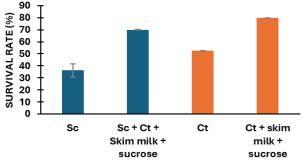
The survival rate of microbial starters after freeze-drying is shown in
Figure 1. Overall, survival rates ranged from 36.19% to 70.73%. The use of the cryoprotectant (skim milk and sucrose) significantly improved cell survival. Under these conditions,
Saccharomyces cerevisiae showed a survival rate of 70.03%, while
Candida tropicalis reached a higher survival rate of 79.73%. In general,
Candida tropicalis demonstrated better resistance to freeze-drying than
Saccharomyces cerevisiae, both in the presence and absence of cryoprotectant.
Figure 1. Survival rate of microbial yeast starters after freeze-drying.
3.1.2. Production of Metabolites of Interest by Microbial Starters After Freeze-Drying
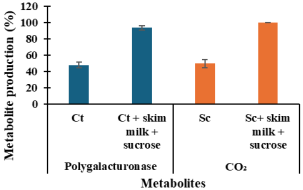
Figure 2 illustrates the ability of yeast microbial starters to produce key metabolites (polygalacturonases and CO
2) after freeze-drying. Overall, metabolite production capacity ranged from 48.14% to 100%. The addition of cryoprotectants (skim milk and sucrose) significantly improved metabolite production. Under these conditions,
Candida tropicalis retained 93.70% of its production capacity, while
Saccharomyces cerevisiae maintained full activity (100%).
Figure 2. Metabolite production by microbial yeast starters after freeze-drying.
3.2. Dynamics of Cocoa Bean Fermentation at Pilot Scale Using Candida tropicalis Alone or in Co-Culture with Saccharomyces cerevisiae
3.2.1. Temperature Profile of Fermentation Heap
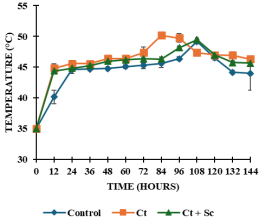
The evolution of temperature during cocoa fermentation using
Candida tropicalis alone and in co-culture with
Saccharomyces cerevisiae is shown in
Figure 3. Overall, all fermentation treatments exhibited a similar temperature pattern characterized by two main phases: an initial increase followed by a decrease, with a peak temperature separating these phases.
The traditional fermentation (without added microbial starters) recorded the lowest temperature values, ranging from 35 to 49.16 ± 0.15°C, with the maximum temperature reached at the 108th hour.
Fermentation trials inoculated with Candida tropicalis alone and in co-culture with Saccharomyces cerevisiae followed comparable trends. However, higher temperatures were observed in the fermentation heap inoculated with Candida tropicalis alone, with values ranging from 35 to 50.2 ± 0.03°C. In contrast, the co-culture system showed slightly lower temperatures, ranging from 35 to 49.46 ± 0.03°C.
Notably, the highest temperature recorded (50.2 ± 0.03°C) was reached at the 84th hour in the fermentation inoculated with Candida tropicalis alone. In comparison, the co-culture system reached its peak temperature of 49.46 ± 0.03°C later, at the 108th hour.
Figure 3. Temperature profile of cocoa fermentation using Candida tropicalis alone or in co-culture with Saccharomyces cerevisiae.
Traditional fermentation (control); Fermentation with added inoculum of Candida tropicalis (Ct); Fermentation with added inoculum of Saccharomyces cerevisiae (Sc).
3.2.2. Fermentation Index During Cocoa Bean Fermentation
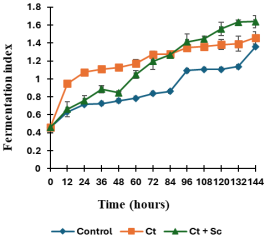
The evolution of the fermentation index during cocoa bean fermentation is presented in
Figure 4. An overall increase in the fermentation index was observed in all treatments, with values ranging from 0.45 ± 0 to 1.69 ± 0.07. During the first 48 hours, the fermentation index increased more rapidly in the fermentation inoculated with
Candida tropicalis alone (from 0.45 to 1.12) compared to both the traditional fermentation (control) (from 0.45 to 0.75) and the co-culture with
Candida tropicalis and
Saccharomyces cerevisiae (from 0.45 to 0.84). Furthermore, fermentation with
Candida tropicalis alone reached a fermentation index ≥ 1 as early as 24 hours. In contrast, this threshold was reached later in the co-culture system (60 hours) and in the traditional fermentation (96 hours).
Figure 4. Fermentation index evolution in cocoa beans fermented with Candida tropicalis and Saccharomyces cerevisiae.
Traditional fermentation (control); Fermentation with added inoculum of Candida tropicalis (Ct); Fermentation with added inoculum of Saccharomyces cerevisiae (Sc).
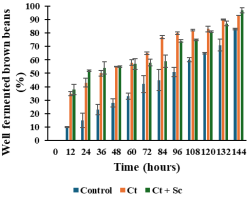
3.2.3. Percentage of Well-Fermented Brown Beans After Drying
The evolution of the proportion of well-fermented brown beans during fermentation is presented in
Figure 5. Overall, the percentage increased progressively in all treatments, rising from 0 to 99% over time. Fermentation inoculated with
Candida tropicalis alone showed a faster increase in the proportion of well-fermented brown beans, exceeding 60% after 72 hours. In contrast, this threshold was reached later in the co-culture with
Candida tropicalis and
Saccharomyces cerevisiae (96 hours) and in the traditional fermentation (control) (108 hours).
Figure 5. Evolution of the proportion of well-fermented brown cocoa beans during fermentation with Candida tropicalis alone or in co-culture with Saccharomyces cerevisiae.
Traditional fermentation (control); Fermentation with added inoculum of Candida tropicalis (Ct); Fermentation with added inoculum of Saccharomyces cerevisiae (Sc).
3.3. Biochemical and Sensory Analysis of Fermented and Dried Cocoa Beans from the Best Fermentation Treatment
3.3.1. Nutritional Compounds
The concentrations of nutritional compounds in cocoa beans obtained from the best fermentation treatment (
Candida tropicalis alone) at 72 h and 144 h, as well as from traditional fermentation (control), are presented in
Table 1. Cocoa beans fermented with
Candida tropicalis at 72 h exhibited the highest total phenolic content (69,068.58 ± 666.66) and antioxidant activity (89.11 ± 0.73) compared to beans from traditional fermentation at both 72 h and 144 h. The flavonoid and anthocyanin contents of beans fermented with
Candida tropicalis at 72 h were higher than those of the control at 72 h, but lower than those observed at 144 h. Regarding reducing sugars, cocoa beans fermented with
Candida tropicalis at 72 h showed higher values than those at 144 h, but lower values than those obtained in traditional fermentation at 72 h.
Table 1. Nutritional profile of cocoa beans fermented with freeze-dried microbial starters.
Sample | Phenolic compounds | Flavonoids | Anthocyans | Reducing sugars | Anti-oxydant power |
T+ / 72 h | 66186.28 ± 756.73 a | 405.51 ± 13.29 c | 0.69 ± 0.02 d | 0.158 ± 0.01 a | 88.56 ± 0.29 ab |
F.Ct / 72 h | 69068.58 ± 666.66 b | 591.32 ± 6.10 b | 1.36 ± 0.14 c | 0.112 ± 0.00 b | 89.11 ± 0.73 a |
T+ / 144 h | 50787.29 ± 611.50 c | 606.20 ± 5.80 ab | 2.27 ± 0.06 a | 0.069 ± 0.00 c | 88.67 ± 0.53 ab |
F.Ct / 144 h | 47611.42 ± 323.57 d | 620.45 ± 12.09 a | 2.19 ± 0.19 b | 0.070 ± 0.01 c | 87.65 ± 0.53 b |
T+ / 72 h: beans from traditional fermentation (control) at 72h; F.Ct / 72 h: beans from fermentation with Candida tropicalis at 72h; T+ / 144 h: beans from traditional fermentation (control) at 144h; F.Ct / 144 h: beans from fermentation with Candida tropicalis at 144h. values are expressed as mean ± standard deviation of three independent replicates. Within the same column, values followed by different letters are significantly different (p < 0.05).
3.3.2. Antinutritional Compounds in Fermented and Dried Cocoa Beans
The contents of antinutritional compounds in fermented and dried cocoa beans obtained from the best fermentation treatment (
Candida tropicalis alone) at 72 h and 144 h, as well as from traditional fermentation (control), are presented in
Table 2. Phytate content was lowest in cocoa beans fermented with
Candida tropicalis at 72 h, followed by those at 144 h. Higher phytate levels were observed in the control samples at both 72 h and 144 h. For oxalates, cocoa beans fermented with
Candida tropicalis at 72 h showed higher contents than the control samples (72 h and 144 h), but lower levels than those recorded at 144 h with
Candida tropicalis. Regarding tannins, cocoa beans fermented with
Candida tropicalis at 72 h exhibited higher contents than those at 144 h, but lower values than those observed in traditional fermentation at 72 h.
Table 2. Antinutritional profile of cocoa beans fermented with freeze-dried microbial starters.
Samples | Oxalates | Phytates | Tanins |
T+ / 72 h | 623.33 ± 45.80 d | 33.61 ± 0,37 b | 1862.24 ± 51.02 a |
F.Ct / 72 h | 1085.33 ± 45,79 b | 24,24 ± 0,67 d | 1335.45 ± 6.37 b |
T+ / 144 h | 931.33 ± 55.36 c | 43.07 ± 1,22 a | 693.87 ± 5,10 c |
F.Ct / 144 h | 1246.66 ± 67.21 a | 26.78 ± 0.43 c | 565.05 ± 3.83 d |
T+ / 72 h: beans from traditional fermentation (control) at 72h; F.Ct / 72 h: beans from fermentation with Candida tropicalis at 72h; T+ / 144 h: beans from traditional fermentation (control) at 144h; F.Ct / 144 h: beans from fermentation with Candida tropicalis at 144h. Values are expressed as mean ± standard deviation of three independent replicates. Within the same column, values followed by different letters are significantly different (p < 0.05), depending on the parameter analyzed.
3.3.3. Sensory Analysis of Fermented, Dried and Roasted Cocoa Beans
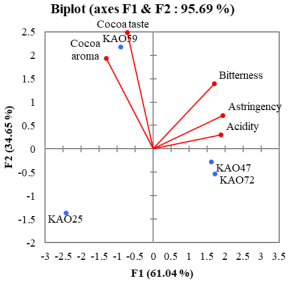
The principal component analysis (PCA) of the sensory attributes of cocoa beans after fermentation, drying, and roasting is presented in
Figure 6. The first two principal components (F1 and F2) explain 95.69% of the total variance, with 61.04% and 34.65%, respectively, indicating a strong representation of the sensory data. The projection of variables on the factorial plane highlights a clear structuring of sensory attributes into two main groups. The first group, consisting of acidity, astringency, and bitterness, is positively correlated with the F1 axis. The second group, comprising cocoa aroma and taste, is negatively correlated with the F1 axis. In addition, these latter attributes show positive coordinates on the F2 axis, indicating their strong contribution to the second dimension.
Figure 6 shows a clear differentiation between samples. Samples KA047 and KA072 are positioned on the positive side of the F1 axis and in the lower part of the F2 axis, indicating an association with acidity, astringency, and bitterness. Sample KA025 is located on the negative side of the F1 axis and in the lower part of F2. In contrast, sample KA059 is positioned on the negative side of F1 and the positive side of F2, close to the variables associated with cocoa aroma and taste.
Figure 6. Principal component analysis of the key sensory attributes of fermented, dried, and roasted cocoa beans.
Beans obtained from traditional fermentation after 72 hours (KAO47); Beans obtained after 72 hours of fermentation with added C. tropicalis inoculum (KAO59); Beans obtained from traditional fermentation after 144 hours (KAO25); Beans obtained after 144 hours of fermentation with added C. tropicalis inoculum (KA072).
3.3.4. Sensory Analysis of Herbal Teas Made from Fermented, Dried and Roasted Cocoa Beans
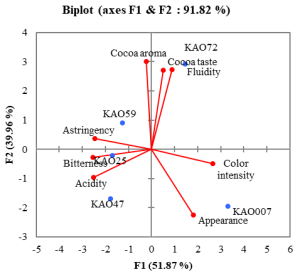
The principal component analysis (PCA) performed on the sensory and physical attributes of the cocoa samples revealed that the first two principal components accounted for 91.82% of the total variance, with 51.87% explained by the first axis (F1) and 39.96% by the second axis (F2) (
Figure 7). This high percentage indicates that the F1-F2 plane provides a reliable representation of the data structure. The projection of variables on the factorial plane highlights distinct groupings of attributes. On axis F1, color intensity and appearance are located on the positive side, indicating a strong positive correlation with this axis. In contrast, bitterness, acidity, and astringency are positioned on the negative side of F1, suggesting an opposition between visual attributes and undesirable taste characteristics. Regarding axis F2, cocoa aroma, cocoa taste, and fluidity are projected on the positive side, showing that these attributes strongly contribute to this dimension. Conversely, appearance and acidity exhibit negative coordinates on F2, indicating an inverse relationship with these sensory qualities. The distribution of samples across the factorial plane reveals clear differentiation among them. Sample KA072 is located in the positive region of both F1 and F2, closely associated with cocoa taste and fluidity, suggesting a more desirable sensory profile. Sample KA007 is positioned in the positive region of F1 but negative on F2, aligning more with appearance and color intensity attributes. Samples KA025 and KA047 are grouped in the negative region of F1, in association with bitterness and acidity, indicating less favorable sensory characteristics. Finally, sample KA059 is situated in the negative region of F1 but positive on F2, and is relatively close to the cocoa aroma attribute.
Figure 7. Multivariate analysis of the sensory quality of herbal teas derived from fermented, dried, and roasted cocoa beans.
Cocoa tea produced from beans obtained after 72 hours of traditional fermentation (KAO47); Cocoa tea produced from beans obtained after 72 hours of fermentation with added C. tropicalis inoculum (KAO59); Cocoa tea produced from beans obtained after 144 hours of traditional fermentation (KAO25); Cocoa tea produced from beans obtained after 144 hours of fermentation with added C. tropicalis inoculum (KA072); Commercial tea (KAO007).
4. Discussion
The present study demonstrates that freeze-dried
Candida tropicalis and
Saccharomyces cerevisiae starters supplemented with skimmed milk and sucrose exhibited significantly higher viability and retained a greater capacity to produce metabolites of interest compared to non-protected strains. These findings are consistent with previous reports, notably those of
| [44] | Nukrohwad N, Maneesri J. Improving cell viability with protective agent, carrier support and stability agent of Candida tropicalis TISTR 5922 starter powder. Food Research. 2024; 8(2): 495-501. |
[44]
who used skimmed milk and glucose,
| [45] | Kadet V, Samagaci L, Ouattara H, Ahoussi J-M, Ettien Y, Ouattara H, et al. Cocoa Residues as Alternative Support for Freeze Drying of Candida tropicalis for Controlled Fermentation of Cocoa. Journal of Food and Nutrition Sciences. 2024; 12(5): 239-45.
https://doi.org/10.11648/j.jfns.20241205.15 |
[45]
, who employed cocoa pulp and pod, and
| [46] | Almalamh NA, Aljumaah RS, Alharthi AS, Al-Garadi MA, Albaadani HH, Hakami ZM, et al. Effects of three different strains of Bacillus-based probiotics and Saccharomyces cerevisiae-based prebiotic on performance, egg components and gene expression of laying hens during phase II of production. Italian Journal of Animal Science. 2024; 23(1): 1650-61. https://doi.org/10.1080/1828051X.2024.2418409 |
[46]
, who used trehalose and sucrose, all of which highlighted the beneficial role of cryoprotectants in preserving microbial functionality during freeze-drying. The enhanced preservation of both cell viability and metabolic activity can be attributed to the protective mechanisms of cryoprotectants during dehydration and freezing. Cryoprotectants rich in mono- and disaccharides are known to promote the formation of a glassy (vitreous) matrix at the cell membrane. This matrix stabilizes cellular structures by forming a protective layer around the cell wall and membrane, thereby reducing mechanical and osmotic stresses induced by ice crystal formation and water loss. As a result, cellular integrity is maintained, which explains the higher survival rates and the sustained production of metabolites observed in treated starter cultures.
In the context of cocoa processing, the availability of stable, viable, and metabolically active starter cultures is essential for ensuring consistent fermentation, improving bean quality, and enhancing the sensory properties of derived products.
During the fermentation trials, key parameters including temperature, pH of both pulp and cotyledon, reducing sugar content in the pulp and cotyledon, fermentation index, and bean quality assessed by the cut test exhibited trends consistent with those reported for cocoa fermentations in various regions worldwide
| [20] | Diaz‐Munoz C, De Vuyst L. Functional yeast starter cultures for cocoa fermentation. J Appl Microb. 2022; 133(1): 39-66. https://doi.org/10.1111/jam.15312 |
| [47] | Saunshi YB, Sandhya MVS, Rastogi NK, Murthy PS. Starter consortia for on-farm cocoa fermentation and their quality attributes. Preparative Biochemistry & Biotechnology. 2020; 50(3): 272-80.
https://doi.org/10.1080/10826068.2019.1689508 |
| [48] | Lin Y, Choong YM, Chu HL. Effects of processing time and temperature on flavanol and procyanidin, proanthocyanidin and antioxidant activity of cocoa bean in Taiwan. Journal of Food and Nutrition Research. 2021; 9(1): 10-7. |
| [49] | Hiag TF, Voundi HSO, Kamen JN, Minyaka E, Solange M. Contribution in the Improvement of Cocoa Bean Fermentation by using a Starter Microbial from Three Strains. International Journal of Advanced Multidisciplinary Research and Studies. 2023; 3(3): 74-7. |
| [50] | Ahoussi J-M, Ouattara HD, Samagaci L, Niamke S. Comparative Study Between Liquid and Freeze-Dried Microbial Starters for Cocoa Bean Fermentation at SemiPilot Scale in Côte d'Ivoire. International Journal of Current Microbiology and Applied Sciences 2025; 14(05): 1-13. |
[20, 47-50]
.
In terms of temperature evolution, fermentation trials conducted with
Candida tropicalis in monoculture and in co-culture with
Saccharomyces cerevisiae exhibited similar overall trends. However, the highest temperatures were recorded in the fermentation pile inoculated with
C. tropicalis alone, ranging from 35 to 50.2 ± 0.03°C, with a maximum peak of 50.2 ± 0.03°C reached at 84 hours. In comparison, the co-culture system showed a slightly lower maximum temperature of 49.46 ± 0.03°C, reached later at 108 hours. These temperature peaks, approaching 50°C, are consistent with previous studies indicating that cocoa fermentation is characterized by significant heat generation (>40°C) due to intense microbial activity and exothermic reactions
| [51] | Papalexandratou Z, Falony G, Romanens E, Jimenez JC, Amores F, Daniel H-M, et al. Species diversity, community dynamics, and metabolite kinetics of the microbiota associated with traditional Ecuadorian spontaneous cocoa bean fermentations. Appl Env Microb. 2011c; 77(21): 7698-714. https://doi.org/10.1128/AEM.05523-11 |
| [52] | De Vuyst L, Weckx S. The cocoa bean fermentation process: from ecosystem analysis to starter culture development. J Appl Microb. 2016; 121(1): 5-17. https://doi.org/10.1111/jam.13045 |
[51, 52]
. Although ethanol production contributes to heat generation, the main source of this temperature increase is the oxidation of ethanol into acetic acid by acetic acid bacteria, a highly exothermic process. This rise in temperature plays a crucial role in cocoa fermentation, as it leads to the death of the seed embryo, induces structural changes in the cotyledons, increases bean permeability, and promotes the formation of flavor precursors. The higher and earlier temperature peak observed with
C. tropicalis in monoculture suggests a strong metabolic activity of this yeast, particularly in pulp degradation and substrate transformation. Therefore, freeze-dried
C. tropicalis used in monoculture appears to be a promising candidate for controlled cocoa fermentation, as its ability to induce high temperature peaks reflects its significant metabolic potential and its key role in initiating biochemical processes essential for the development of desirable sensory attributes.
The intense metabolic activity observed with
Candida tropicalis can be attributed, on the one hand, to the intrinsic capabilities of certain strains, which exhibit high enzymatic activity toward sugars and strong tolerance to fermentation conditions such as temperature and acidity. These characteristics enable the yeast to rapidly consume pulp sugars and facilitate their diffusion into the cotyledon
| [26] | Jamili J, YANTI NA, Susilowati PE. Diversity and the role of yeast in spontaneous cocoa bean fermentation from Southeast Sulawesi, Indonesia. Biodiversitas Journal of Biological Diversity. 2016; 17(1): 90-5. |
[26]
. In addition,
C. tropicalis is known to produce key hydrolytic enzymes, including polygalacturonases, pectinases, and invertases. These enzymes promote the degradation of pulp polysaccharides, leading to the release of simple sugars and enhancing their migration into the cotyledon. This enzymatic activity contributes to the breakdown of the pulp matrix, thereby improving substrate availability for subsequent microbial and biochemical processes.
Regarding the fermentation index, the trial using
Candida tropicalis in monoculture showed a faster progression, increasing from 0.45 to 1.12, compared to traditional (control) fermentation (0.45 to 0.75) and the co-culture system with
C. tropicalis and
Saccharomyces cerevisiae (0.45 to 0.84). Notably, the threshold value of 1 commonly associated with well-fermented beans, was reached more rapidly in the monoculture system. These observations indicate that
C. tropicalis alone significantly accelerates the fermentation process. This effect is likely due to its strong metabolic potential, which promotes rapid pulp degradation, efficient production of ethanol and organic acids, and early activation of endogenous enzymes within the cotyledon. As a result, key biochemical transformations occur earlier, reducing the time required to achieve optimal fermentation. This acceleration may have direct implications for bean quality, as it enhances the formation of flavor precursors while shortening the fermentation duration. The findings are consistent with previous studies showing that the use of selected yeast starters, particularly
C. tropicalis, can improve the consistency and efficiency of cocoa fermentation compared to spontaneous processes or less active co-culture systems
| [51] | Papalexandratou Z, Falony G, Romanens E, Jimenez JC, Amores F, Daniel H-M, et al. Species diversity, community dynamics, and metabolite kinetics of the microbiota associated with traditional Ecuadorian spontaneous cocoa bean fermentations. Appl Env Microb. 2011c; 77(21): 7698-714. https://doi.org/10.1128/AEM.05523-11 |
| [53] | Moreira IMdV, Miguel MGdCP, Duarte WF, Dias DR, Schwan RF. Microbial succession and the dynamics of metabolites and sugars during the fermentation of three different cocoa (Theobroma cacao L.) hybrids. Food Research International. 2013; 54(1): 9-17.
https://doi.org/10.1016/j.foodres.2013.06.001 |
[51, 53]
. Overall, the use of
C. tropicalis in monoculture appears to be a promising strategy for controlled cocoa fermentation, enabling faster attainment of key fermentation indicators and potentially improving the sensory quality of the final product.
Concerning the proportion of well-fermented brown beans after drying, the fermentation trial using
Candida tropicalis in monoculture showed a more rapid progression, exceeding 60% of well-fermented beans after only 72 hours. In contrast, this threshold was reached later in the traditional (control) fermentation and in the co-culture system with
C. tropicalis and
Saccharomyces cerevisiae, after 108 hours and 96 hours, respectively. This difference can be attributed to the high metabolic activity of
C. tropicalis, which promotes rapid pulp degradation, efficient production of ethanol and organic acids, and early activation of endogenous enzymes within the cotyledon. These processes accelerate tissue breakdown and metabolite diffusion, leading to the characteristic brown coloration of well-fermented beans. These findings are consistent with previous studies
| [15] | Lefeber T, Papalexandratou Z, Gobert W, Camu N, De Vuyst L. On-farm implementation of a starter culture for improved cocoa bean fermentation and its influence on the flavour of chocolates produced thereof. Food Microb. 2012; 30(2): 379-92. https://doi.org/10.1016/j.fm.2011.12.021 |
| [50] | Ahoussi J-M, Ouattara HD, Samagaci L, Niamke S. Comparative Study Between Liquid and Freeze-Dried Microbial Starters for Cocoa Bean Fermentation at SemiPilot Scale in Côte d'Ivoire. International Journal of Current Microbiology and Applied Sciences 2025; 14(05): 1-13. |
[15, 50]
, which demonstrated that inoculation with selected yeasts, including
C. tropicalis, enhances fermentation efficiency and increases the proportion of well-fermented beans.
Overall, the use of C. tropicalis in monoculture appears to significantly shorten fermentation time while maintaining or even improving bean quality, making it a promising strategy for controlled cocoa fermentation. Beyond these technological and sensory advantages, it is also important to consider how such fermentation conditions influence the nutritional composition of cocoa beans.
The analysis of nutritional compounds revealed that cocoa beans fermented with
Candida tropicalis for 72 hours and subsequently dried exhibited the highest levels of total phenolic compounds, as well as the greatest antioxidant activity, compared to beans from traditional fermentation at 72 and 144 hours and those from the 144-hour fermentation test. This observation can be attributed to the role of yeasts in driving the early biochemical transformations of cocoa fermentation. At the initial stages, yeasts particularly
C. tropicalis are the dominant microorganisms and actively degrade the mucilaginous pulp rich in sugars. Through their metabolic activity, they produce ethanol and a range of metabolites that alter the biochemical environment surrounding the beans. These changes may facilitate the release, preservation, or reduced degradation of phenolic compounds, which are responsible for the antioxidant properties of cocoa. Moreover, a shorter and more controlled fermentation period, as observed with
C. tropicalis at 72 hours, may limit excessive oxidation and loss of phenolic compounds, thereby maintaining higher antioxidant potential. This suggests that accelerated fermentation can help preserve bioactive compounds before they are significantly degraded during prolonged fermentation. These findings are consistent with previous studies
| [54] | Phan UT, Nguyen DQ, Le PH. Optimization of cocoa fermentation parameters for high soluble solids content by using candida tropicalis. Optimization. 2019; 4(5): 163-8. |
| [55] | Kamarisima, Fathima AM, Aditiawati P, Yusantri SD, Kumalasari DP, Mutsla D, et al. Enhancing fermented cocoa bean quality and flavor through short secondary fermentation using Candida tropicalis as starter and Citrus limon peel. Journal of the Science of Food and Agriculture. 2025; 105(15): 8616-24. https://doi.org/10.1002/jsfa.70158 |
[54, 55]
, which reported that the use of
Candida tropicalis as a starter culture not only improves the technological quality of cocoa fermentation but also enhances the retention of total phenolic compounds and the production of amino acids involved in flavor development.
Furthermore, the higher levels of total phenolic compounds and antioxidant activity observed at 72 hours can be explained by the progressive decline of these compounds during extended fermentation. Several studies have shown that cocoa polyphenols undergo oxidation and polymerization reactions under the influence of enzymatic activity and fermentation conditions, leading to a gradual decrease in their concentration over time
| [56] | Cortez D, Quispe-Sanchez L, Mestanza M, Oliva-Cruz M, Yoplac I, Torres C, et al. Changes in bioactive compounds during fermentation of cocoa (Theobroma cacao) harvested in Amazonas-Peru. Current Research in Food Science. 2023; 6: 100494. https://doi.org/10.1016/j.crfs.2023.100494 |
[56]
. This reduction is also associated with the diffusion of phenolic compounds from the cotyledonary cells and their involvement in enzymatic reactions that contribute to the formation of aroma precursors. Regarding flavonoids and anthocyanins, the results indicate that beans fermented with
Candida tropicalis at 72 hours contained higher levels than those from traditional fermentation at the same time point, but lower levels than those observed in samples fermented for 144 hours. Anthocyanins, which are responsible for the purple coloration of fresh cocoa beans, undergo significant transformations during fermentation
| [57] | Camu N, De Winter T, Bernaert H, Takrama JS, Addo SK, De Vuyst L. Fermentation of cocoa beans: influence of microbial activities and polyphenol concentrations on the flavour of chocolate. Journal of the Science of Food and Agriculture. 2008; 88(13): 2288-97. https://doi.org/10.1002/jsfa.3349 |
| [58] | Afoakwa EO, Quao J, Takrama J, Budu AS, Saalia FK. Chemical composition and physical quality characteristics of Ghanaian cocoa beans as affected by pulp pre-conditioning and fermentation. J Food Sci Tech. 2013; 50(6): 1097-105.
https://doi.org/10.1007/s13197-011-0446-5 |
[57, 58]
. Under the combined effects of enzymatic oxidation and acidic conditions, these compounds are partially degraded or converted into other phenolic derivatives
| [56] | Cortez D, Quispe-Sanchez L, Mestanza M, Oliva-Cruz M, Yoplac I, Torres C, et al. Changes in bioactive compounds during fermentation of cocoa (Theobroma cacao) harvested in Amazonas-Peru. Current Research in Food Science. 2023; 6: 100494. https://doi.org/10.1016/j.crfs.2023.100494 |
[56]
. The observed trends therefore reflect the dynamic and progressive transformation of these bioactive compounds throughout the fermentation process. Beyond these changes in phenolic composition, it is also important to consider the fate of antinutritional compounds during fermentation.
The results obtained indicate that cocoa beans fermented with
Candida tropicalis at 72 hours exhibited the lowest phytate contents compared to the other treatments. This reduction in phytates during fermentation has been widely reported in the literature, notably by
| [8] | Schwan RF, Wheals AE. The microbiology of cocoa fermentation and its role in chocolate quality. Critical Reviews in Food Science and Nutrition. 2004; 44: 205-21.
https://doi.org/10.1080/10408690490464104 |
[8]
, who highlighted the role of microbial activity in the degradation of antinutritional compounds. The decrease in phytate content can be attributed to the enzymatic activity of microorganisms involved in fermentation. Certain yeasts and bacteria possess phytase enzymes capable of hydrolyzing phytic acid into simpler, less complex molecules, thereby reducing its concentration in the fermented matrix. In addition to microbial enzymes, endogenous phytases present in cocoa beans may also contribute to this process. Furthermore, several studies
| [59] | Aidoo KE, Nout MR. Functional yeasts and molds in fermented foods and beverages. Fermented foods and beverages of the world. 2010: 127-48. |
| [60] | Udechukwu MC, Collins SA, Udenigwe CC. Prospects of enhancing dietary zinc bioavailability with food-derived zinc-chelating peptides. Food & function. 2016; 7(10): 4137-44. |
[59, 60]
have demonstrated that fermentation enhances phytate degradation through the combined action of microbial and endogenous enzymes. This reduction is of nutritional importance, as it improves the bioavailability of essential minerals such as iron, zinc, and calcium by limiting their chelation by phytic acid. Overall, the use of
Candida tropicalis in controlled fermentation appears to promote a more efficient degradation of phytates, thereby contributing to the improvement of the nutritional quality of cocoa beans.
Regarding oxalate content, the results indicate that cocoa beans fermented with
Candida tropicalis for 72 hours exhibited higher levels than those observed in traditional fermentations at 72 and 144 hours, but lower levels than those recorded in samples fermented with the starter for 144 hours. This pattern suggests a dynamic evolution of oxalates throughout the fermentation process. These variations can be linked to the metabolic transformations occurring during fermentation. Oxalate levels are influenced by several factors, including the degradation of organic acids and the metabolic activities of the microorganisms present in the fermentation environment. During fermentation, biochemical reactions involving organic acids and microbial metabolites may lead to either the formation or degradation of oxalates
| [58] | Afoakwa EO, Quao J, Takrama J, Budu AS, Saalia FK. Chemical composition and physical quality characteristics of Ghanaian cocoa beans as affected by pulp pre-conditioning and fermentation. J Food Sci Tech. 2013; 50(6): 1097-105.
https://doi.org/10.1007/s13197-011-0446-5 |
[58]
. Furthermore, the evolution of oxalate content appears to depend on both fermentation duration and the composition of the microbial consortium. As fermentation progresses, shifts in microbial populations and metabolic pathways can alter oxalate dynamics
| [52] | De Vuyst L, Weckx S. The cocoa bean fermentation process: from ecosystem analysis to starter culture development. J Appl Microb. 2016; 121(1): 5-17. https://doi.org/10.1111/jam.13045 |
[52]
. The intermediate levels observed at 72 hours with
C. tropicalis may therefore reflect a transitional stage, where oxalate formation and degradation processes are still in balance. Overall, these findings highlight the importance of controlling fermentation conditions particularly duration and microbial composition to better manage antinutritional compounds such as oxalates and optimize the nutritional quality of cocoa beans.
Regarding tannin content, cocoa beans fermented with
Candida tropicalis for 72 hours exhibited higher levels than those observed in samples fermented for 144 hours, but lower levels than those recorded in traditional fermentation at 72 hours. This trend can be explained by the progressive transformation of phenolic compounds during cocoa fermentation. Tannins, which belong to the polyphenol family, are gradually oxidized and polymerized under the action of oxidative enzymes such as polyphenol oxidases. These reactions lead to a progressive decline in tannin concentration as fermentation time increases. In addition, these transformations contribute to the reduction of astringency and bitterness, thereby improving the sensory quality of cocoa beans
| [57] | Camu N, De Winter T, Bernaert H, Takrama JS, Addo SK, De Vuyst L. Fermentation of cocoa beans: influence of microbial activities and polyphenol concentrations on the flavour of chocolate. Journal of the Science of Food and Agriculture. 2008; 88(13): 2288-97. https://doi.org/10.1002/jsfa.3349 |
| [58] | Afoakwa EO, Quao J, Takrama J, Budu AS, Saalia FK. Chemical composition and physical quality characteristics of Ghanaian cocoa beans as affected by pulp pre-conditioning and fermentation. J Food Sci Tech. 2013; 50(6): 1097-105.
https://doi.org/10.1007/s13197-011-0446-5 |
[57, 58]
. The lower tannin levels observed after 144 hours can thus be attributed to the intensification of oxidation and condensation reactions during prolonged fermentation. Importantly, controlled fermentation using
C. tropicalis for 72 hours appears to provide a favorable biochemical balance. At this stage, beans retain relatively high levels of bioactive compounds with antioxidant activity while showing a reduction in certain antinutritional factors, such as phytates and tannins. This balance suggests a simultaneous improvement in both nutritional value and sensory potential. Overall, the use of
Candida tropicalis as a starter culture emerges as a promising strategy to optimize cocoa fermentation, enabling the production of beans with enhanced technological, nutritional, and sensory quality suitable for chocolate processing. Given these biochemical and functional changes, it becomes essential to further assess the overall quality of the fermented beans, as well as that of derived products such as cocoa-based herbal teas, in order to better understand the impact of controlled fermentation on final product acceptability and value.
The principal component analysis (PCA) performed on the sensory attributes, as well as on the combined sensory and physical attributes of cocoa beans after fermentation, drying, and roasting, revealed that the first two principal components explained a large proportion of the total variance (95.69% for sensory attributes and 91.82% for combined sensory and physical attributes). This indicates that the F1-F2 planes provide a reliable representation of the data structure. The high variance captured by these two axes suggests that most of the variability among samples can be effectively described by these principal dimensions. This finding highlights the strong influence of key sensory and physical parameters in differentiating the cocoa samples. It is consistent with previous studies
| [8] | Schwan RF, Wheals AE. The microbiology of cocoa fermentation and its role in chocolate quality. Critical Reviews in Food Science and Nutrition. 2004; 44: 205-21.
https://doi.org/10.1080/10408690490464104 |
| [58] | Afoakwa EO, Quao J, Takrama J, Budu AS, Saalia FK. Chemical composition and physical quality characteristics of Ghanaian cocoa beans as affected by pulp pre-conditioning and fermentation. J Food Sci Tech. 2013; 50(6): 1097-105.
https://doi.org/10.1007/s13197-011-0446-5 |
[8, 58]
, which emphasize the critical role of fermentation and post-harvest processing in shaping the sensory profile and overall quality of cocoa beans.
The projection of variables onto the factorial plane reveals two distinct groups of attributes. The first group comprises acidity, astringency, and bitterness, which are positively correlated with axis F1. The second group includes cocoa aroma and cocoa taste, which are negatively associated with F1 and positively correlated with F2. This distribution indicates a clear opposition between undesirable sensory attributes (bitterness, astringency, acidity) and desirable attributes (cocoa aroma and taste).
These results suggest that astringency and bitterness are closely linked to the biochemical transformations occurring during fermentation and drying, particularly the oxidation and polymerization of polyphenols and tannins, as reported by
| [57] | Camu N, De Winter T, Bernaert H, Takrama JS, Addo SK, De Vuyst L. Fermentation of cocoa beans: influence of microbial activities and polyphenol concentrations on the flavour of chocolate. Journal of the Science of Food and Agriculture. 2008; 88(13): 2288-97. https://doi.org/10.1002/jsfa.3349 |
[57]
. As these compounds are progressively modified, their contribution to sensory perception evolves, influencing the overall quality of the beans. With regard to cocoa aroma and taste, previous studies
| [50] | Ahoussi J-M, Ouattara HD, Samagaci L, Niamke S. Comparative Study Between Liquid and Freeze-Dried Microbial Starters for Cocoa Bean Fermentation at SemiPilot Scale in Côte d'Ivoire. International Journal of Current Microbiology and Applied Sciences 2025; 14(05): 1-13. |
| [61] | Gutierrez MR. Study the nutritional properties of cocoa husk (Theobroma cacao L.) For its industrialization in tea bags and infusions. Centrosur Agraria. 2022; 1(14): 1-19.
https://doi.org/10.37959/revista.v1i14.201 |
[50, 61]
have shown that the use of selected microbial starters, such as
Candida tropicalis, in controlled fermentation can enhance the development of desirable sensory attributes. These improvements are associated with the formation of flavor precursors and their subsequent transformation during drying and roasting, leading to a richer and more balanced cocoa profile.
The distribution of samples on the factorial plane shows a clear differentiation, reflecting the combined effects of fermentation treatment and fermentation duration on the sensory quality of cocoa beans. This separation highlights the strong influence of process conditions on the development of sensory and physical attributes. For instance, samples KA072 and KA059 are positioned close to the cocoa aroma and taste vectors, indicating high aromatic intensity and good fluidity during herbal tea preparation. This suggests that the use of Candida tropicalis as a starter, together with appropriate control of fermentation time, promotes the development of richer and more balanced sensory profiles.
In contrast, samples KA025 and KA047 are associated with acidity and bitterness, indicating that less controlled or prolonged fermentations may enhance astringency and undesirable taste attributes
| [52] | De Vuyst L, Weckx S. The cocoa bean fermentation process: from ecosystem analysis to starter culture development. J Appl Microb. 2016; 121(1): 5-17. https://doi.org/10.1111/jam.13045 |
| [62] | Nielsen D, Teniola O, Ban-Koffi L, Owusu M, Andersson T, Holzapfel W. The microbiology of Ghanaian cocoa fermentations analysed using culture-dependent and culture-independent methods. International Journal of Food Microbiology. 2007; 114(2): 168-86.
https://doi.org/10.1016/j.ijfoodmicro.2006.09.010 |
[52, 62]
. These results underline the importance of controlling both fermentation duration and microbial composition to avoid excessive development of negative sensory characteristics. Overall, these findings confirm that controlled fermentation, particularly with selected starters such as
Candida tropicalis, plays a key role in shaping the sensory and physical structure of cocoa-derived products. By modulating the balance between desirable attributes (aroma and taste) and undesirable ones (bitterness and astringency), it offers an effective strategy for producing cocoa beans and derived products such as cocoa-based herbal teas with premium sensory quality. This is consistent with previous studies highlighting the impact of starter cultures on phenolic transformations and the formation of flavor precursors.





 Share This Article
 Twitter
 Linked In
 Facebook
 Copy
Copy Download