Research Article | | Peer-Reviewed

Risk Analysis of Critical Port Infrastructure/Facilities and Operations in Nigeria

Received: 1 December 2025     Accepted: 27 January 2026     Published: 27 February 2026
Views:       Downloads:
Abstract

The continuous operation of the critical infrastructure, especially seaports, is essential to economic stability and supply chain integrity. Nevertheless, seaports in developing countries such as Nigeria are systematically threatened by factors such as institutional weaknesses (e.g. corruption) and widespread maritime insecurity. This paper fills a major empirical gap by examining the efficacy of integrated risk management strategies in facilitating seaport resilience in this high-risk environment. The study employed a mixed-method design and conducted a cross-sectional survey of 80 key stakeholders in the five major ports of operation in Nigeria. Structural Equation Modelling (SEM) was employed to test the relationships between four risk management strategies- Proactive Risk Anticipation and Assessment (PRAA), Infrastructure Resilience Measures (IRM), Operational Preparedness and Response (OPR), and Adaptive Governance and Policy (AGP)- and three dimensions of seaport resilience: robustness, restorative capacity, and adaptive capacity. Contextual factors, including corruption and resource availability, were modelled as moderating influences. The SEM demonstrated excellent model fit (Root Mean Square Error [RMSEA] = 0.024; Comparative Fit Index [CFI] = 0.993; Tucker-Lewis Index [TLI] = 0.992). Results indicate that Infrastructure Resilience Measures exert the strongest positive effect on restorative capacity (β = 0.284, p < .001), while Proactive Risk Anticipation significantly enhances robustness (β = 0.136, p < .001). Operational Preparedness primarily drives adaptive capacity (β = 0.075, p < .01), and Adaptive Governance positively influences recovery performance (β = 0.131, p < .01). Notably, contextual factors exhibit a strong negative moderating influence on restorative capacity (β = 0.297, p < .001), underscoring the constraining role of institutional weaknesses. The findings demonstrate that while technical and operational risk management strategies are necessary for seaport resilience, their effectiveness is significantly conditioned by governance quality and resource availability. Institutional reform is therefore a prerequisite for maximizing the resilience of critical seaport infrastructure in high-risk maritime environments e.g. Nigeria and Gulf of Guinea.

Published in International Journal of Transportation Engineering and Technology (Volume 12, Issue 1)
DOI 10.11648/j.ijtet.20261201.14
Page(s) 31-48
Creative Commons

This is an Open Access article, distributed under the terms of the Creative Commons Attribution 4.0 International License (http://creativecommons.org/licenses/by/4.0/), which permits unrestricted use, distribution and reproduction in any medium or format, provided the original work is properly cited.

Copyright

Copyright © The Author(s), 2026. Published by Science Publishing Group

Keywords

Seaport Resilience, Integrated Risk Management, Structural Equation Modelling, Port facilities, Critical Infrastructure, Contextual Factors, Maritime Security

1. Introduction
The seaports have been acknowledged globally as a very important trade nodes, serving as a vital entry point to national and global economic life, energy delivery, and defence infrastructure . The stability of their continuous operation is critical for the safety of global supply chains. Nevertheless, the complexity and interdependence of contemporary port systems, which run in increasingly dynamic environments, present them with a wide range of risks. Such risks include both conventional physical threats, such as piracy, cargo theft, and smuggling, and more advanced emerging threats, such as cyber-attacks, the growing effects of climate change, and regional geopolitical instabilities . The growing rate and complexity of these threats reflect the dire need to develop resilient infrastructure management paradigms and conduct risk analysis. Nigeria, with a long coastline and heavy dependence on maritime trade possesses critically important seaport infrastructure that lies in the centre of its regional sphere of influence. The Lagos Port Complex, TinCan Island Port, Calabar Port, Onne Port, and Warri Port, are major facilities that process a large volume of oil, gas, import, and export cargo. Nonetheless, despite this strategic significance, the problem of ineffective governance, widespread corruption, and socio-economic inequalities within the neighbouring populations, as well as the continual external threats, most notably regional maritime insecurity and Gulf of Guinea piracy confront the Nigerian seaports . Although the international security regulations, including the International Ship and Port Facility Security (ISPS) Code, have been implemented, they are usually met with significant domestic challenges.
1.1. Problem Statement
The central challenge that this research seeks to address is the growing exposure of Nigerian seaports to various and changing risks, coupled with a poor level of empirical knowledge of how current risk management efforts translate to actual systemic resilience, defined by its Robustness, Restorative, and Adaptive capacities. Although theoretical frameworks for risk management (e.g. Resilient Engineering) and international standards such as the ISPS Code are recognised and formally adopted, the actual effectiveness and practical implementation of these measures within the unique operational context of Nigeria has yet to be verified empirically to a large extent. Existing scholarly endeavours are often missing the empirical data required to rigorously evaluate the real-world impact of risk management strategies on the resiliency of these facilities. Furthermore, these studies often focus on isolated dimensions of risk (such as cyber or physical security) or generalised frameworks, and thus fail to integrate the collective impact of comprehensive risk management strategies on the multi-faceted nature of seaport resilience. Most critically, previous studies have neglected the importance of the moderating role of certain local contextual factors, including the level of institutional corruption, socio-economic conditions, and resource limitations, which are known to play a fundamental role in determining the success or otherwise of resilience-building efforts in developing countries . This empirical gap hinders policymakers from designing data-driven policies that prioritize resource allocation to safeguard these vital national resources.
1.2. Objectives of the Study
The principal aim of this research is to empirically examine the effect of the different integrated risk management measures on the resilience of critical seaport infrastructure facilities in Nigeria, in particular, the modulating effect of contextual factors. The specific objectives are:
1) To determine the current practices of Proactive Risk Anticipation and Assessment (PRAA) employed in the management of critical seaport infrastructure facilities in Nigeria.
2) To examine the extent of implementation of Infrastructure Resilience Measures (IRM) in critical seaport infrastructure facilities in Nigeria.
3) To evaluate the effectiveness of Operational Preparedness & Response (OPR) mechanisms in place at critical seaport infrastructure facilities in Nigeria.
4) To determine the effectiveness of Adaptive Governance & Policy (AGP) frameworks in strengthening risk management for Nigerian seaports.
5) To determine the level of Seaport Resilience (SR) of Nigeria’s critical seaport infrastructure facilities against risks.
6) To determine the moderating influence of Contextual Factors (Corruption Levels, Socio-economic Conditions, Geopolitical Landscape, and Resource Availability) on the relationship between risk management strategies and seaport resilience in Nigeria.
1.3. Research Hypotheses
The following six hypotheses govern the study and were formulated to be tested using the Structural Equation Model.
1) H1: Proactive Risk Anticipation & Assessment positively affect Seaport Resilience.
2) H2: Infrastructure Resilience Measures positively affect Seaport Resilience.
3) H3: Operational Preparedness & Response positively affect Seaport Resilience.
4) H4: Adaptive Governance & Policy positively affect Seaport Resilience.
5) H5: Corruption Levels moderate the relationship between Risk Management Strategies and Seaport Resilience (e.g., greater corruption weakens the positive impact of strategies).
6) H6: Resource Availability moderates the relationship between Risk Management Strategies and Seaport Resilience (e.g., greater resource availability strengthens the positive impact of strategies).
1.4. Contribution to Knowledge
The findings of this research offer significant theoretical, practical, and policy contributions.
1) Theoretical Significance
The study contributes to the current literature by empirically confirming and generalizing basic theoretical models of risk management and resilience, namely, the Resilient Engineering Framework, to the highly-challenging and distinctive conditions of operation in a significant developing country. The study contributes to the theoretical framework of critical infrastructure protection by incorporating and thoroughly experimenting the moderating role of complex contextual factors like corruption and resource availability. It is more than generic models because it demonstrates that specific country-specific conditions have a core impact on the effectiveness of resilience building efforts, giving empirical findings that can be used to improve the existing conceptual models on port security.
2) Practical Significance
The study provides evidence-based information that can be critical to Port Authorities and Operators to understand which of the particular risk management tools (physical investments versus procedural training), are the strongest in enhancing the resilience of seaports in Nigeria. These results are to be used to make more efficient resource allocation and capital investment decisions and strategic operational planning towards improved security and efficiency. In the case of Security Agencies, the conclusions demonstrate some areas and weaknesses that need to be improved on by enforcing them, training them and collaborating with other agencies to combat multifaceted threats, both in terms of traditional security failures and high frequency operational failures.
3) Policy Significance
To the government agencies and policy makers, the resulting empirical evidence and recommendations imply directly the formulation of more effective national maritime security policies, effective regulatory frameworks and integrated national critical infrastructure protection strategies towards Nigeria. By showing the key role of institutional flaws in moderating the effectiveness of specific measures, the research raises the awareness of the need for tackling deep-seated problems (e.g. policy flexibility, anti-corruption measures) as a precondition to maximising the return on investment in physical security and infrastructure.
2. Theoretical and Conceptual Framework
2.1. Theoretical Foundations
The study is based on a comprehensive theoretical base primarily supported by three major theories with supplementary safety-focused models.
2.1.1. Resilient Engineering Framework Theory (REFT)
REFT offers a definition of seaport resilience, which is a multifaceted capacity of a system to foresee, withstand, react, recuperate, and change . This study operationalizes resilience based on its three core dimensions: Robustness (the ability to withstand a shock), Restorative Capacity (the speed and efficiency of recovery), and Adaptive Capacity (the ability to reorganize and learn from incidents). This set of principles of REFT is operationalized using four independent variables in this study and includes the following: Proactive risk Anticipation and Assessment (PRAA) involve anticipation; Infrastructure resilience measures (IRM) involve resistance and resilience; Operational preparedness and Response (OPR) involve response and recovery; and Adaptive Governance and Policy (AGP) involve adopting to changing threats.
2.1.2. Risk Management Framework (RMF) Theory
The RMF Theory offers a more formalised, methodological approach of addressing different risks that involves identification, evaluation, prioritisation and mitigation of specific threats . The application of RMF makes the quantitative analysis proactive in terms of its basis of risk-prioritisation approach. The framework assists in the design of the PRAA latent construct since it is concerned with the formal procedures that are required to establish the risk likelihood and impact.
2.1.3. Systems Theory
The Systems Theory is critical to the perception of the port being an open, complex, and interconnected system . This is a central perspective in the study of the interdependencies of the physical infrastructure, functioning processes, as well as social and institutional milieu surrounding. With the adoption of the Systems Theory, the Moderating Variables (Contextual Factors) are integrated into the conceptual model with the explicit recognition that the external socio-political pressures, i.e., corruption and geopolitical instability, essentially transform the outcome of internal operational effectiveness and resilience.
2.2. Review of Empirical Literature
Empirical studies on port risk management across global contexts show that there are important lessons and unresolved gaps. According to critical reviews, the analysis of seaport resilience is still in its immature phase and is associated with significant overlap and a significant similarity of concepts employed by the proposed frameworks. Globally, these frameworks are often categorized in terms of absorptive (robustness), adaptive, and restorative abilities . Recent systematic reviews across the globe emphasize the necessity of new methods to evaluate resilience to a varied range of threats and note the role of resilience in maritime transport to the contribution to the international trade . This global literature highlights that while theoretical models exist, their practical validation remains scarce, especially within the unique institutional and operational realities of developing nations, which is the focus of this study.
Operational and Technical Failures in West Africa: Nigerian port risk profile is empirically shown to be characterized by high-frequency operational inefficiencies and technical breakdowns with emphasis on system weaknesses. The port and harbour accidents research (revealed through quantitative evidence) at Apapa seaport shows that disruption is mainly based on internal failures and hardly on the security threats that are external:
1) Machinery/Equipment Failure was cited as a major component of accidents by 69.3% of respondents.
2) Human Factor was identified as a core cause of accidents by 61.3% of respondents.
3) The fundamental underlying cause, lack of periodic maintenance, was agreed upon as a core component of port/harbour accidents by 56.0% of respondents .
These results support the fact that the local threat environment is saturated with internal technical and human-factor risks, which justifies the emphasis of the study on Infrastructure Resilience Measures (IRM) and Operational Preparedness (OPR) to spur recovery and resilience.
Governance and Institutional Drag: Institutional factors substantially moderate the effect of the risk-management strategies especially in the African context, and hence serve as a kind of institutional drag of resilience. Research proves that the positive effect of port operations on international trade and economic growth is high when the infrastructure is sufficient . Nevertheless, the positive structural relationship is limited by the weaknesses in governance; that is:
1) Implementation Challenges: Comprehensive surveys of construction projects of the African harbour and seaport systems are regularly faced with structural bottlenecks, such as political interference, technical complexities, environmental limitations, and insufficiently trained staff .
2) Resource and Personnel Deficits: The lack of infrastructure, budgetary allocation, technological capacity, and human resources, among other issues, as well as large turnovers in management positions, directly affect sufficient talent retention, which undermines the process of forming long-term adaptive capacity .
3) Corruption and Policy Implementation: Corruption is a major hindrance to economic growth in Nigeria and is referred to as a major impediment to doing business . In addition, even the process of just adopting modern digital governance ideas (e.g., the Paperless Port System in Ghana) was identified to be impeded by a plethora of challenges and an inability to fit the technology into the local setting, which represents a reminder that technology cannot help to avoid governance problems .
4) Security, Policy, and Economic Impact: The implementation of international standards like the ISPS Code has proven beneficial to the operational performance of seaports in Nigeria but external security challenges remain as acute financial risks. Continuous maritime insecurity in the Gulf of Guinea (GoG) has been costly economically with heavy freight rates and high insurance cost on cargo bound to Nigeria. The security-governance response to the GoG itself is undermined by the proliferation and duplication of security regimes, absence of harmonisation, insufficient funding, and lack of trust between the regional states and requires persistent international investment in capacity building to bring the regional response together .
Similar to results of the global investigation, studies confirm that the factors that predetermine the reduction of risks include infrastructure and efficiency of services . Nevertheless, a range of advanced conceptual frameworks proposed in earlier studies have been criticized because they have no empirical validation, which is why quantitative research like the current one is essential in a complicated operational environment.
2.3. Gaps in Existing Research Identified
This research was specifically designed to address several critical voids in the existing literature:
1) Lack of Empirical Validation in Context: There are very few studies that haveempirically tested and validated the theoretical resilience frameworks in relationship to the unique operational, social and geopolitical dynamics of Nigerian seaports.
2) Absence of Integrated Strategy Assessment: The current state-of-art research generally does notintegrate and assess the combined effect of a set of comprehensive risk management strategies (PRAA, IRM, OPR, AGP) simultaneously against a holistic multi-dimensional metric of seaport resilience.
3) Omission of Moderating Contextual Factors: Key situational variables specific to the local Nigerian context including high levels of corruption, and limited resources are frequently overlooked. Thisneglect produces resilience models that are strategically incomplete.
4) Operationalization of Theories: As noted, the operationalization of underlying theories was not always explicit in several published works . The present investigation, specifically, operationalises REFT principles into testable latent constructs through Structural Equation Modelling (SEM).
2.4. Conceptual Framework
The conceptual research model (visually represented in Table 1) assumes that four latent constructs with references to integrated risk management strategies (PRAA, IRM, OPR, AGP) positively contribute to Seaport Resilience (SR). The relationship is postulated to be moderated by the Contextual Factors (CF), including institutional and resource constraints peculiar to Nigeria. Seaport Resilience (SR) as the latent construct is assessed in three fundamental dimensions which are based on REFT: Robustness (Absorptive Capacity), Restorative Capacity, and Adaptive Capacity. The moderating variables were operationalized as the Corruption Level, Socio-economic Conditions, Geopolitical Landscape, and Availability of Resources which are expected to reduce the effectiveness of the used strategies.
3. Methodology
3.1. Research Design and Scope
This study was based on a sequential mixed-methods research. The initial qualitative step, consisting of a multiple case study and semi-structured interviews at Apapa and Onne ports, was crucial to ensure the local relevance and empirical grounding of the constructs , used in the subsequent quantitative survey. The initial quantitative stage was based on the use of a cross-sectional survey. The study was limited geographically to only five major active seaports in Nigeria, namely, Apapa Port Complex, Tincan Island Port, Calabar Port, Onne Port, and Warri Port, thus providing a deeper study within the local context.
3.2. Population and Sampling
The population included major stakeholders who are directly engaged in regulation, management, and operation of the infrastructure of Nigerian seaports, such as the port authority officials, terminal operators, security agencies (Nigeria Maritime Administration and Safety Agency [NIMASA], Nigeria Customs Service [NCS]), government regulatory bodies, and representatives of shipping companies. A total of eighty (80) respondents were surveyed. Stratified random sampling method was applied to ensure that these varied groups of stakeholders have proportional representation in the major seaports that were selected. The data were obtained using a structured questionnaire administered in a personal format. The scale used in the questionnaire was a 5-point Likert scale (1 = Strongly Disagree to 5 = Strongly Agree) regarding all rating items.
3.3. Model for Data Analysis
Structural Equation Modelling (SEM)
The most appropriate and the strongest statistical tool that was selected to test the conceptual framework presented is Structural Equation Modelling (SEM). SEM allows estimating a large number of complex relationships at the same time, thus offering a holistic evaluation of the factor structure and the causal relationships between the latent variables . The method specifically analyses measurement error as a latent variable, which is typical of management and social science constructs . To ensure the reliability of the latent variables, the SEM was defined by a Measurement Model (Confirmatory Factor Analysis [CFA]) and a Structural Model, which could test the hypothesised direct effects (H1-H4) and the moderation effects (H5-H6).
Latent and observed variables are listed in Table 1 and form the operationalisation plan of the Structural Equation Model of the study, which transforms the abstract concepts of risk management and resilience into measurable elements. It provides the construct validity of the model where each theoretical component (latent variable) will be represented in terms of individual, measurable survey questions (observed variables). Table 1 is also used to classify the model as three primary groups of latent constructs, namely four independent variables with three dimensions of measurement, and one essential moderating variable.
Table 1. Latent Variables and Observed variables in the study.

Latent Variable Constructs

Observed Variable (Operationalized variables)

B: Proactive Risk Anticipation & Assessment (PRAA) (Independent Variables, I.Vs)

b1: There is Implementation of regular risk assessments

b2: Utilization of intelligence sharing and

C: Infrastructure Resilience Measures (IRM) (I.Vs)

c1: Investment in physical infrastructure sufficient

c2: Comprehensive cybersecurity protocols implemented

c3: Redundancy built into critical systems

c4: New technologies are adopted

c5: Proactive maintenance of critical infrastructure

D: Operational Preparedness & Response (OPR) (I.Vs)

d1: Personnel undergo training/drills

d2: Clear emergency response plans in place

d3: Effective communication/coordination during crisis

d4: Post-incident reviews conducted

d5: Resources readily available for response/recovery

E: Adaptive Governance & Policy (AGP) (I.Vs)

e1: Enforcement and continuous improvement of legal and regulatory frameworks

e2: Inter-agency collaboration and coordination

e3: Flexibility in policy to adapt to evolving threats

e4: International standards integrated into policies

F: Seaport Resilience, (Robustness): (Dependent Variable)

f1: Ability to Withstand Disruptions (Robustness/Absorptive Capacity)

f2: Frequency and duration of operational downtime due to security incidents, natural hazards, or cyberattacks

f3: Extent of damage to infrastructure during incidents

G: Ability to Recover & Restore (Restorative Capacity): (Dependent Variable)

g1: Time taken to restore full operations after a disruption

g2: Effectiveness of recovery plans and resource mobilization

H: Ability to Adapt & Reorganize (Adaptive Capacity): (Dependent Variable)

h1: Implementation of lessons learned from past incidents

h2: Capacity to adjust operations and supply chains in response to new threats

h3: Perceived improvement in security posture over time

I: Contextual Factors unique to Nigeria (Moderating Variables)

i1: Corruption Levels: Perceived impact of corruption on security implementation and enforcement.

i2: Socio-economic Conditions: Influence of economic inequality and crime rates in surrounding communities on port security.

i3: Geopolitical Landscape: Impact of regional maritime insecurity (e.g., Gulf of Guinea piracy) and international trade dynamics

i4: Resource Availability: Adequacy of funding and skilled personnel for implementing risk management strategies.

Source: Authors
Structural Equation Model Specification
The analysis used the following nomenclature for the latent constructs:
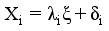
Observed indicators are denoted by
A. The Measurement Model (Confirmatory Factor Analysis)
The Measurement Model defines how the observed variables ( ) load onto their respective latent constructs ( ) via factor loadings ( ), where represents the measurement error:
(1)
For the latent constructs in the study:
(2)
(3)
(4)
(5)
(6)
(7)
(8)
(9)
B. The Structural Model (Direct Effects)
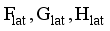
The Structural Model tests the relationships among the latent constructs, where represents the path coefficients (hypothesized effects) and represents the structural error terms (residuals). Since Seaport Resilience (SR) is measured by three dimensions: , the direct effects (H1–H4) are specified against each dimension:

(10)
(11)
(12)
C. Moderation Effects (H5 & H6)
To test the moderating influence of Contextual Factors on the relationship between the risk management strategies ( ) and the resilience dimensions ( ), an interaction term was introduced:
(13)
Where is one of the four independent latent is the Contextual Factors moderator, and is the coefficient representing the moderation effect.
4. Data Presentation and Empirical Analysis
4.1. Sample Profile and Descriptive Statistics
The analysis of the 80 respondents' demographic data, presented in Table 2, reveals a sample composed of experienced and active professionals. The majority of respondents were male (77.5%) and under 50 years old (78%). The level of professional experience was also high with 43.75 percent being aged between 11 and 15 years of experience and 31.25 percent aged above 15 years’ experience, which means the data collected was informed and had a professional perspective of the relevant stakeholders, these included port managers and chief security officers.
Table 2. Demographic Characteristics and Professional Experience of the Respondents.

Category

Responses

Freq.

Percent

Cum.

Gender

Male

62

77.5

77.5

Female

18

22.5

100

Marital Status

Married

52

65

65

Single

28

35

100

Age of respondent

<21yrs

5

6.25

6.25

21 - 30yrs

10

12.5

18.75

31 - 40yrs

15

18.75

37.5

41 - 50yrs

32

40

77.5

>50yrs

18

22.5

100

Designation

Terminal Manager

10

12.5

12.5

Chief Security Officer

14

17.5

30

Engineer (IT)

11

13.75

43.75

Cargo Superintendent

14

17.5

61.25

Port Manager

15

18.75

80

Others

16

20

100

Years of Experience

<5yrs

4

5

5

5-10yrs

16

20

25

11-15yrs

35

43.75

68.75

Above 15yrs

25

31.25

100

Source: Author- Data analysis
Table 3 shows the descriptive statistics of the rating response data of copies of questionnaire used in the study. The variables qb1 - qi4, are the statements/constructs in section B of questionnaire. The mean scores of all the variables observed (qb1 to qi4) were mostly at the centre (3.0) of the 5-point Likert scale, which indicated that stakeholders do not regard the risk management strategies and the level of resilience as highly effective or ineffective, thus suggesting inconsistency in implementation. One of the outliers was the mean score of Extent of damage to infrastructure during incidents (qf3) of 3.575, which shows that the stakeholders agree that, whenever an incident happens, the infrastructure has poor capacity to absorb the initial shock (Robustness).
Table 3. Descriptive Statistics of Rating Response Data.

Item no. & Observed Variable

Mean

Std. Dev.

Min

Max

b1: There is Implementation of regular risk assessments

2.950

1.386

1

5

b2: Utilization of intelligence sharing

2.988

1.445

1

5

c1: Investment in physical infrastructure sufficient

2.975

1.340

1

5

c2: Comprehensive cybersecurity protocols implemented

3.138

1.465

1

5

c3: Redundancy built into critical systems

3.000

1.526

1

5

c4: New technologies are adopted

3.113

1.450

1

5

c5: Proactive maintenance of critical infrastructure

2.938

1.390

1

5

d1: Personnel undergo training/drills

2.825

1.385

1

5

d2: Clear emergency response plans in place

3.225

1.441

1

5

d3: Effective communication/coordination during crisis

3.000

1.414

1

5

d4: Post-incident reviews conducted

2.950

1.377

1

5

d5: Resources readily available for response/recovery

3.163

1.488

1

5

e1: Enforcement and continuous improvement of legal and regulatory frameworks

2.888

1.322

1

5

e2: Inter-agency collaboration and coordination

2.800

1.287

1

5

e3: Flexibility in policy to adapt to evolving threats

2.763

1.305

1

5

e4: International standards integrated into policies

2.963

1.345

1

5

f1: Ability to Withstand Disruptions (Robustness/Absorptive Capacity)

2.988

1.248

1

5

f2: Frequency and duration of operational downtime due to security incidents, natural hazards, or cyberattacks

3.013

1.317

1

5

f3: Extent of damage to infrastructure during incidents

3.575

1.329

1

5

g1: Time taken to restore full operations after a disruption

3.063

1.426

1

5

g2: Effectiveness of recovery plans and resource mobilization

2.950

1.404

1

5

h1: Implementation of lessons learned from past incidents

3.100

1.411

1

5

h2: Capacity to adjust operations and supply chains in response to new threats

2.988

1.471

1

5

h3: Perceived improvement in security posture over time

3.163

1.462

1

5

i1: Corruption Levels: Perceived impact of corruption on security implementation and enforcement.

3.013

1.445

1

5

i2: Socio-economic Conditions: Influence of economic inequality and crime rates in surrounding communities on port security.

2.975

1.405

1

5

i3: Geopolitical Landscape: Impact of regional maritime insecurity (e.g. Gulf of Guinea piracy) and international trade dynamics

2.800

1.382

1

5

i4: Resource Availability: Adequacy of funding and skilled personnel for implementing risk management strategies.

3.175

1.271

1

5

Source: Authors, data analysis
The evaluation of reported risk incidents in Table 4 shows that there is a strong hierarchy of challenges. More than half (51.25%) of the observed incidents are accounted for by Equipment damage (25.0%), Accidents (13.75%), and Heavy Storms (12.5%). This implies that systemic operational failure and climate change vulnerability are the most common causes of immediate, high-frequency threats to the ports in Nigeria, and other frequent threats to the ports in Nigerian ports are Attack on Vessels (10.0%) and Arms and Ammunition (7.5%).
Table 4. Reported Risk Incidents at Nigerian Seaports.

Risk Incident Witnessed in the Port

Freq.

Percent

Cum.

Attack on Vessels

8

10

10

Arms & Ammunition

6

7.5

26.25

Fire Incident

2

2.5

28.75

Equipment Damage

20

25

53.75

Protests

6

7.5

61.25

Accidents

11

13.75

75

Flooding

4

5

80

Heavy Storm

10

12.5

92.5

Stowaways

6

7.5

100

Total

80

100

Source: Authors, data analysis
4.2. Measurement Model Assessment
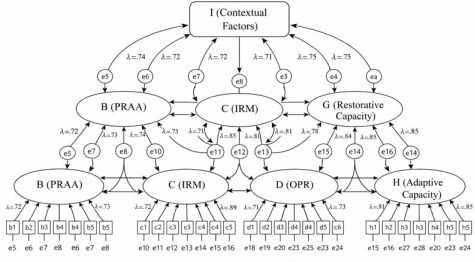
The measurement model was assessed using Confirmatory Factor Analysis (CFA) within the Structural Equation Modelling (SEM) framework. The CFA was estimated using the Maximum Likelihood (ML) method. Figure 1 presents the CFA measurement model. Each latent construct is represented by an oval and is linked to its observed indicators via one-headed arrows indicating standardized factor loadings. The majority of factor loadings exceed 0.70, confirming strong indicator reliability.
Figure 1. Confirmatory Factor Analysis (CFA) Measurement Model.
Table 5 presents the full Measurement Model statistics, including all factor loadings , R-squared values , and statistical significance for the observed indicators (see the expanded version of the table information in the Appendix). All factor loadings were highly significant , confirming convergent validity and the reliability of the latent constructs ( , and Contextual Factors). The measurement model cross-section, presented in Table 5, had a high convergent validity where all the observed indicators loaded to the corresponding latent constructs significantly ( ). The squared multiple correlation coefficients (R2or mc2) were high ranging from 0.686 to 0.920 and this confirms that the latent constructs are reliable in representing a considerable percentage of the variance in their operational indicators. As an example, the latent variable Infrastructure Resilience Measures (Clat) accounted more than 85 percent of the variance in Investment in physical infrastructure (c1) and more than 80 percent of the variance in Comprehensive cybersecurity protocols implemented (c2). This good indication of reliability confirmed the constructs to be used to test the structural relationships.
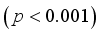

Table 5. Key Latent Variable Measurement Model Statistics.

Latent Variable

Observed Indicator (Example)

Loading (β)

R2 (mc2)

Statistical Significance (p)

PRAA (B)

b1: Regular Risk Assessments

1.000 (fixed)

0.909

0.000

IRM (C)

c1: Investment in Physical Infrastructure

1.000 (fixed)

0.857

0.000

OPR (D)

d1: Personnel Training/Drills

1.000 (fixed)

0.835

0.000

AGP (E)

e2: Inter-agency collaboration

0.917

0.842

0.000

Restorative Capacity (G)

g1: Time to restore full operations

1.000 (fixed)

0.920

0.000

Source: Authors, data analysis
The complete latent variable measurement model is attached in Appendix.
4.3. Structural Model Fit Assessment
The Structural Equation Model constructed in the research (see Table 6), had a very high fit to the observed data, which shows that the theoretical conceptualization can be considered an accurate reflection of the empirical dynamics of the risk and resilience of Nigerian seaports.
Table 6. Structural Equation Model Global Fit Statistics.

Fit Index

Value

Interpretation

Chi-squared Test (/df)

360.53 (df = 322)

Non-significant deviation (< 0.0684).

RMSEA

0.024

Excellent fit (< 0.05).

CFI

0.993

Excellent fit (> 0.95).

TLI

0.992

Excellent fit (> 0.95).

SRMR

0.034

Good fit (< 0.08).

Source: Authors, data analysis, SRMR: Standardized Root Mean Squared Residual.
The value of the Root Mean Squared Error of Approximation (RMSEA) of 0.024 is lower than the standard cut off of 0.05 and the Comparative Fit Index (CFI) and the Tucker-Lewis Index (TLI) are both above the 0.95 mark, which confirms a statistically significant model fit.
4.4. Structural Model Findings and Hypothesis Testing
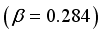
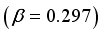
The structural model evaluates the direct and moderating paths proposed in the study. The analysis (see Table 7) reveals that Infrastructure Resilience (IRM) significantly impacts Restorative Capacity . However, the inclusion of Contextual Factors (CF) as a moderator demonstrates that institutional issues like corruption have the highest absolute path coefficient regarding a port's ability to recover.
Direct Effects (H1, H2, H3, H4)
All four direct hypotheses were supported, confirming that the integrated risk management strategies positively affect Seaport Resilience. The standardized path coefficients for these direct effects are comprehensively reported in Table 7.
1) H1 (PRAA) Supported: Proactive Risk Anticipation & Assessment ( ) was positively related to Robustness ( ) and Adaptive Capacity ( ).

2) H2 (IRM) Supported: Infrastructure Resilience Measures ( ) showed the strongest positive strategic relationship with Restorative Capacity ( ) and Adaptive Capacity ( ).

3) H3 (OPR) Supported: Operational Preparedness & Response ( ) was significantly related to Adaptive Capacity ( ).

4) H4 (AGP) Supported: Adaptive Governance & Policy ( ) was positively related to Restorative Capacity ( ).

Table 7. Key Empirical Validation Summary: Structural Path Coefficients (Direct Effects).

Relationship Path

Standardized Coefficient (β)

P-Value

Hypothesis Status

Strategic Interpretation

PRAA and Robustness

0.136

0.000

H1 Confirmed

Intelligence and assessment are vital for initial shock absorption.

IRM and Restorative Capacity

0.284

0.000

H2 Confirmed

Investment in redundancy and technology drives rapid recovery time.

OPR and Adaptive Capacity

0.075

0.001

H3 Confirmed

Training and drills primarily drive long-term organizational learning.

AGP and Restorative Capacity

0.131

0.001

H4 Confirmed

Inter-agency policy coordination streamlines recovery resource flow.

Contextual Factors () and Restorative Capacity ()

0.297

0.000

H5/H6 Confirmed

Institutional conditions (Corruption/resources) are the strongest determinant of recovery

Source: Authors, data analysis
Moderation Effects (H5, H6)
Statistical evidence was very strong in supporting the hypotheses on the moderating effect of the Contextual Factors (CF,Ilat). The latent construct of Contextual Factor (Ilat ) exhibited the only strongest correlation of the whole structural model, with a very high covariance to Restorative Capacity (Glat) (β=0.297,p<0.001). This coefficient represents the total effect of institutional and resource constraints on the speed of port recovery after disruption, indicating that Contextual Factors act as a primary barrier to successful restoration
4.5. SEM Structural Diagram Result
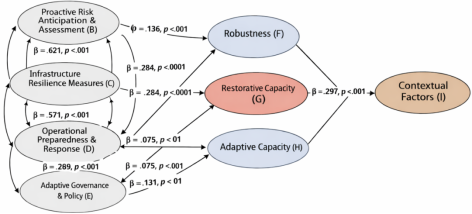
Figure 2 shows the SEM Structural diagram and statistical outputs. The SEM structural diagram provides empirical evidence on how risk management strategies influence multidimensional seaport resilience, with the magnitude and significance of relationships explicitly reflected in the standardized path coefficients (β). The model demonstrates strong explanatory power and confirms that resilience outcomes are driven by differentiated, statistically significant mechanisms rather than a single dominant strategy.
The results show that Infrastructure Resilience Measures (C) have the strongest positive effect on Restorative Capacity (G) (β = 0.284, p < .001). This indicates that investments in resilient infrastructure, redundancy, and maintenance significantly enhance the speed and effectiveness of post-disruption recovery. The relatively large effect size underscores infrastructure as the primary lever for recovery performance in Nigerian seaports.
Proactive Risk Anticipation and Assessment (B) exerts a significant positive influence on Robustness (F) (β = 0.136, p < .001), suggesting that systematic risk identification, early-warning systems, and preventive planning materially reduce vulnerability during disruptive events. Although the effect size is moderate, its high statistical significance confirms the importance of anticipatory risk management in sustaining operational stability.
The relationship between Operational Preparedness and Response (D) and Adaptive Capacity (H) is positive and statistically significant (β = 0.075, p < .01). While smaller in magnitude relative to other paths, this effect indicates that emergency preparedness, training, and response coordination enable ports to adjust operations under changing risk conditions. The lower coefficient reflects the complementary rather than dominant role of operational preparedness in long-term adaptability.
Adaptive Governance and Policy (E) significantly enhances Restorative Capacity (G) (β = 0.131, p < .01), highlighting the role of institutional coordination, regulatory flexibility, and policy support in facilitating recovery processes. This finding confirms that technical resilience measures are more effective when supported by adaptive governance structures.
Importantly, Contextual Factors (I) display a strong and statistically significant negative moderating effect on Restorative Capacity (β = −0.297, p < .001), indicating that institutional weaknesses—such as corruption, limited resources, and bureaucratic inefficiencies—substantially constrain recovery performance. The magnitude of this coefficient suggests that contextual constraints can offset gains from technical and operational resilience strategies if left unaddressed.
Finally, the covariance paths among the exogenous constructs are statistically significant, confirming interdependence between risk management strategies. This supports a systems-based interpretation of seaport resilience, where coordinated implementation of anticipatory, infrastructural, operational, and governance measures yields superior outcomes compared to isolated interventions.
Overall, the SEM diagram empirically confirms that seaport resilience is a statistically robust, multidimensional construct, shaped by both strategic interventions and contextual constraints, with infrastructure resilience and governance quality playing decisive roles in post-disruption recovery.
Figure 2. SEM Structural Diagram.
5. Discussion of Findings and Comparison with Existing Studies
5.1. Discussion of Direct Effects on Seaport Resilience
The finding that Infrastructure Resilience Measures (IRM) are strongest statistical predictors of Restorative Capacity β=0.284 supports the fact that, in the Nigerian setting where Operational Failures (Equipment Damage and Accidents) are the most prevalent type of incident, physical investment in redundancy (c3) and maintenance strictness (c5) are directly related to shorter time-to-recovery durations (g1, g2). It is consistent with the systemic risk approach and supports the significance of infrastructure quality as a risk mitigation determinant that Cho et al. (2018) found in their study. This means that capital spending based on physical assets has the greatest short-term resilience positive effect in port management.
Moreover, the data discloses that the operational and policy measures play a vital role in strategic, long-term resilience. Adaptive Capacity (β=0.075) is mainly associated with Operational Preparedness & Response (OPR). This correlation validates the principles of Resilient Engineering , where OPR measures, including drills (d1) and post-incident reviews (d4), instil organisational learning and flexibility, which allow long-term adaptation to changing threats (h1, h2). In the same regard, Adaptive Governance & Policy (AGP) can be an important part of Restorative Capacity (β=0.131). Effective inter-agency collaboration (e2) and enforcement of rules streamline the process of decision-making and resource mobilisation in the crisis , which demonstrates that the agility of bureaucracy is a main element to ensure the minimisation of the disruption time.
5.2. Analysis of the Moderating Role of Contextual Factors
The finding that Contextual Factors (Ilat) have the highest total covariance with Restorative Capacity (β=0.297) both supports H5 and H6 and identifies important policy implications. This high correlation empirically illustrates that institutional environment, in this case corruption, and resource limitation are not just non-causal variables but the most important ones, in terms of recovery effectiveness.
The correlation implies that these structural bottlenecks of institutional deficiencies significantly impede the translation of technical investments into operational gains. For example, high corruption levels (H5) can attenuate the resilience-enhancing effects of IRM (H2) by blocking the timely acquisition of replacement assets or failing to implement recovery plans effectively.
This factual confirmation supports the long-suspected relationship, which is famed in system security statements and the analysis of the Nigerian ports. It gives objective facts that institutional weaknesses are the main structural barriers to the realisation of resilience, and hence governance reform is a precondition to realisation of the optimal technical resilience interventions.
5.3. Comparison with Existing Studies
Nigerian threat profile stands out quite clearly in the empirical data of risk frequency against the generalised global threat models that tend to focus on high impact, low frequency threat like terrorism. The existing analysis shows that high frequency operational outage As Equipment Damage, Accidents, and Heavy Storms require the proportionate management emphasis, therefore, a transition to strong maintenance and climate resilience budgets is necessary External empirical evidence in Apapa Seaport supports the reasons behind equipment failure (i.e., 25.0% incident frequency) as the key causes of accidents: machinery/equipment failure (69.3% agreement) and deficit of periodic maintenance (56.0% agreement) significantly support the research claim . This points to a clear disjuncture between the recognised significance of IRM and actual application, which affirms the practical relevance of the Moderating Factors construct.
Moreover, the research effectively fills the gap that has been defined in theoretical articles which could not be empirically proven . The study gives solid results on the validation of SEM and assures that the factor structure (high scores) is effectively measurable in a multifaceted growing economy, which contributes to the further theoretical implication of the Resilient Engineering model in this situation. These results correspond to the findings of recent systematic reviews, which recognise resilience as a multi-dimensional construct, covering absorptive capabilities, adaptive capabilities, and restorative capabilities, which attests to the idea that the multi-dimensional approach taken in this research successfully captures the complete range of seaport resilience .
6. Summary, Conclusion, and Suggestions for Further Studies
6.1. Summary of Key Findings
The structural equation model produced a good fit to the empirical data, thus supporting the integrated framework of risk management strategies and resiliency in the Nigerian seaports (RMSEA = 0.024). Each of the four risk-management strategies, PRAA, IRM, OPR, and AGP, has a positive impact on seaport resilience, with unique causative mechanisms being supported: IRM has the most significant impact on the restorative capacity. The most common threat profile that is faced by the Nigerian seaports is that of systemic failure of operations (equipment damage) and climatic vulnerability (heavy storms). It is noteworthy that the contextual factors are the primary moderators of the effectiveness of resilience initiatives, with the institutional environment and the availability of resources being strongly correlated with the speed and efficiency of functional recovery (GlatIlat,β=0.297).
6.2. Conclusion
The current study shows that, despite the fact that adoption of technical and operational risk-management strategies are essential in nurturing resilience, their success in the context of Nigerian seaports is highly conditional on the issue of addressing the systemic institutional shortcomings. The strongest immediate acceleration of recovery is created by Infrastructure Resilience Measures (IRM); nevertheless, this restorative potential is partly not fulfilled until moderating variables, namely corruption levels and resources availability levels, can be significantly reduced. As a result, the paper concludes that a truly resilient maritime system within a complex growing economy requires concomitant technical investment and aggressive institutional change.
6.3. Policy and Management Implications
1) Prioritize Operational and Climate Resilience: The high rates of equipment damage (25.0%) and accidents (13.75%) imply that the policy should oblige more dedicated capital spending to the proactive maintenance procedure, redundancy in material cargo-handling equipment, and the planning of climate change adaptation. The proactive maintenance needs to be made a law to reduce the high prevalence of equipment failure and the shortage of maintenance reported by port stakeholders .
2) Resource Mobilization for Recovery: Policy intervention must focus on the attainment of earmarked and ring-fenced funds (Resource Availability, i4) to take immediate crisis response and recovery, regardless of general budgetary allocations thus venture-free when dealing with emergencies. Addressing resource limitation and high managerial turnover is an urgently needed to build capacity.
3) Mandate Institutional Integrity: The high moderating effect of the level of corruption (i1) requires that strict anti-corruption policy frameworks based specifically on procurement and security enforcement be implemented to make sure that resilience resources are used as planned.
4) Enhance Human Capital and Adaptive Governance: Due to the human-error issue and the need to have a pragmatic security enforcing, the governance should make sure that the compliance of the ISPS Code is accompanied by sufficient capacity-development through human-resource training . Policies that encourage more flexibility (e3) and smooth inter-agency response (e2) during times of crisis should be implemented by regulatory bodies to capitalise on the observed positive relationship between AGP and restorative capacity.
6.4. Limitations of the Study and Suggestions for Future Research
This study, while providing robust empirical evidence, is subject to certain limitations. First, the use of a cross-sectional survey design captures perceptions at a single point in time, which may not fully reflect the dynamic nature of seaport resilience over longer periods. Future research should consider longitudinal studies to track the evolution of resilience measures and their long-term impact on operational performance. Second, the sample size of 80, while adequate for Structural Equation Modelling (SEM) based on the model complexity, limits the generalizability of the findings beyond the major Nigerian seaports studied. Comparative studies that include a wider range of port types (e.g., specialized terminals) or cross-national comparisons with other developing economies would enhance external validity. Third, the reliance on perceptual data from stakeholders, while providing practical insight, introduces the possibility of common method bias. Future research could integrate objective operational metrics (e.g., actual recovery times, maintenance logs) to supplement stakeholder perceptions. Finally, future quantitative research should use more interaction-term modelling (at least testing H5 and H6 moderation hypotheses in detail) to quantitatively determine the precise attenuation effect of corruption and resource inadequacy on the IRM-restoration pathway.
Abbreviations

AGP

Adaptive Governance and Policy

CFA

Confirmatory Factor Analysis

CFI

Comparative Fit Index

GoG

Gulf of Guinea

IRM

Infrastructure Resilience Measures

ISPS Code

International Ship and Port Facility Security Code

ML

Maximum Likelihood

NIMASA

Nigeria Maritime Administration and Safety Agency

OPR

Operational Preparedness and Response

PRAA

Proactive Risk Anticipation and Assessment

REFT

Resilient Engineering Framework Theory

RMF

Risk Management Framework

RMSEA

Root Mean Squared Error of Approximation

SEM

Structural Equation Modelling

SR

Seaport Resilience

SRMR

Standardized Root Mean Squared Residual

TLI

Tucker-Lewis Index

Acknowledgments
We thank the Management of Tertiary Education Trust Fund (TETfund) for sponsoring this research through the Institution Based Research (IBR) in FUTO.
Conflicts of Interest
The authors declare no conflict of interest regarding the publication of this paper.
Appendix
Table A1. Key Latent Variable Measurement Model Statistics.

Latent Variable

Observed Indicator

Observed Variable (Operationalized variables)

Loading (β)

Standard Error

z

p

R2 (mc2)

B: Proactive Risk Anticipation & Assessment (PRAA) (Independent Variables, I.Vs)

b1

There is Implementation of regular risk assessments

1.000 (fixed)

-

-

-

0.909

b2

Utilization of intelligence sharing and

0.916

0.037

24.6

0.000

0.726

C: Infrastructure Resilience Measures (IRM) (I.Vs)

c1

Investment in physical infrastructure sufficient

1.000 (fixed)

-

-

-

0.857

c2

Comprehensive cybersecurity protocols implemented

0.941

0.036

26.23

0.000

0.802

c3

Redundancy built into critical systems

0.914

0.037

24.81

0.000

0.730

c4

New technologies are adopted

0.931

0.036

25.68

0.000

0.785

c5

Proactive maintenance of critical infrastructure

0.893

0.039

22.95

0.000

0.741

D: Operational Preparedness & Response (OPR) (I.Vs)

d1

Personnel undergo training/drills

1.000 (fixed)

-

-

-

0.835

d2

Clear emergency response plans in place

0.842

0.047

17.89

0.000

0.709

d3

Effective communication/coordination during crisis

0.841

0.049

17.06

0.000

0.707

d4

Post-incident reviews conducted

0.846

0.046

18.39

0.000

0.716

d5

Resources readily available for response/recovery

0.828

0.05

16.59

0.000

0.686

E: Adaptive Governance & Policy (AGP) (I.Vs)

e1

Enforcement and continuous improvement of legal and regulatory frameworks

1.000 (fixed)

-

-

-

0.797

e2

Inter-agency collaboration and coordination

0.917

0.049

18.78

0.000

0.842

e3

Flexibility in policy to adapt to evolving threats

0.844

0.053

16.03

0.000

0.713

e4

International standards integrated into policies

0.91

0.047

19.34

0.000

0.828

F: Seaport Resilience, (Robustness): (Dependent Variable)

f1

Ability to Withstand Disruptions (Robustness/Absorptive Capacity)

1.000 (fixed)

-

-

-

0.799

f2

Frequency and duration of operational downtime due to security incidents, natural hazards, or cyberattacks

0.899

0.057

15.63

0.000

0.697

f3

Extent of damage to infrastructure during incidents

0.887

0.063

14.11

0.000

0.696

G: Ability to Recover & Restore (Restorative Capacity): (Dependent Variable)

g1

Time taken to restore full operations after a disruption

1.000 (fixed)

-

-

-

0.920

g2

Effectiveness of recovery plans and resource mobilization

0.92

0.034

26.79

0.000

0.847

H: Ability to Adapt & Reorganize (Adaptive Capacity): (Dependent Variable)

h1

Implementation of lessons learned from past incidents

1.000 (fixed)

-

-

-

0.845

h2

Capacity to adjust operations and supply chains in response to new threats

0.919

0.043

21.28

0.000

0.771

h3

Perceived improvement in security posture over time

0.885

0.046

19.06

0.000

0.704

I: Contextual Factors unique to Nigeria (Moderating Variables)

i1

Corruption Levels: Perceived impact of corruption on security implementation and enforcement.

1.000 (fixed)

-

-

-

0.773

i2

Socio-economic Conditions: Influence of economic inequality and crime rates in surrounding communities on port security.

0.916

0.052

17.47

0.000

0.840

i3

Geopolitical Landscape: Impact of regional maritime insecurity (e.g., Gulf of Guinea piracy) and international trade dynamics

0.918

0.048

19.14

0.000

0.768

i4

Resource Availability: Adequacy of funding and skilled personnel for implementing risk management strategies.

0.885

0.05

17.84

0.000

0.750

Source: Authors- data Analysis
References
[1] California Association of Port Authorities (CAPA). (2020). Economic Benefits.
[2] Cruise Lines International Association (CLIA). (2019). Contribution of the International Cruise Industry to the U.S. Economy in 2018. Cruise Lines International Association (CLIA).
[3] Economics & Planning Systems Inc. (2019). Economic Impacts of the San Diego Unified Port District in 2017. Economics & Planning Systems Inc.
[4] Bursztynski, A. (2020). Safety of Maritime Critical Infrastructure Facilities in the Aspect of Contemporary Threats. Rocznik Bezpieczenstwa Miedzynarodowego, 14(1).
[5] Department of Homeland Security (DHS). (2020). Port Security Initiatives. Department of Homeland Security Strategic Plan.
[6] European Network and Information Security (ENISA). (2020). CYBER RISK MANAGEMENT FOR PORTS: Guidelines for cybersecurity in the maritime sector.
[7] Ghiretti, F., Gökten, M., Gunter, J., Pindyuk, O., Sebastian, G., Tonchev, P., & Zavarská, Z. (2023). Research for TRAN Committee - Chinese Investments in European Maritime Infrastructure. European Parliament, Policy Department for Structural and Cohesion Policies.
[8] Patterson, D. A., & Bridgelall, R. (2020). Attack risk modelling for the San Diego maritime facilities. Marine Policy.
[9] AEP Team. (2021). Emerging Threats to Cargo and Port Security: A Practical, Risk-Based Approach to Prioritizing Resources to Detect, Deter, and Mitigate Drug Trafficking Operations. Public-Private Analytic Exchange Program.
[10] Aven, T. (2015). Risk Assessment and Risk Management: Review of Recent Advances From a Broad Perspective. European Journal of Operational Research, 253(1), 1-13.
[11] Hollnagel, E. (2011). Resilient Engineering: Concepts and Precepts. 1st ed. CRC Press, London. Pp. 416.
[12] Sheffi, Y. (2005). The Resilient Enterprise: Overcoming Vulnerability for Competitive Advantage. MIT Press.
[13] Cox, L. A. (2008). Some Limitations of "Risk = Threat x Vulnerability x Consequence" for Risk Analysis of Terrorist Attacks. Risk Analysis.
[14] Chlomoudis, C., Pallis, P., & Styliadis, T. (2024). Security Risk Assessment in Container Terminals: Empirical Evidence from Greece. Journal of Traffic and Transportation Engineering, 12, 214-223.
[15] Mohsendokht, M., Kontovas, C. A., Chang, C.-H., Qu, Z., Li, H., & Yang, Z. (2025). Resilience analysis of seaports: A critical review of development and research directions. Maritime Policy & Management.
[16] Wu, Y., Yang, J., Tu, M., & Naseem, M. H. (2025). Port resilience: A systematic literature review. Regional Studies in Marine Science.
[17] Lau, H. Y., Lim, H. S., & Mohd Nor, R. (2024). A systematic review of resilience in the maritime transport. International Journal of Logistics Research and Applications.
[18] Liu, M., Zhou, M. Chen, W., & Xu, J. (2024). A Systematic review of port resilience for sustainable maritime transport. Ocean & Coastal Management, 249 107052.
[19] Nwigwe, E. U., & Onyemaobi, N. C. (2024). Perceived Effects of Port and Harbor Accidents on Its Operational Performance: A Case Study of Apapa Seaport. International Journal of Research and Review, 6(3).
[20] Akomolafe, I. B., & Awosanya, O. F (2024). Impact of Port Operations on International Trade and Economic Growth in Nigeria. International Journal of research and Innovation in Social Sciences (IJRISS), 8(3), 107-117.
[21] Mutezo, A., & Rwelamila, P. D. (2017). A review of risk management techniques and challenges in harbour and seaport construction projects. In 2017 IEEE AFRICON: Science, Technology and Innovation for Africa (pp. 764-769). IEEE.
[22] Acheampong, D. T (2017). Risk Management and Port Competitiveness in Ghana: The Role of Seaport Security (Unpublished Master of Philosophy Thesis). University of Ghana.
[23] World Bank (2024). Nigeria Economic Update: Maximizing Non-Oil Revenue for Sustainable Development. World Bank.
[24] U.S. Department of State. (2024). 2024 Investment Climate Statements: Nigeria. Executive Report. Online:
[25] Senyoa, P. K, Effah, J, Osabutey, E. L. C. (2020). Digital Platformisation As Public Sector Transformation Strategy: A case of Ghana's paperless port. Technological Forecasting & Social Change. 162 pp. 1-13. Online:
[26] Onwuegbuchunam, D. E., Aponjolosun, M. O., Igboanusi, C. and Okeke, K. O. (2021). Maritime Security Regimes and Impacts on Nigerian Seaports. Open Journal of Safety Science and Technology, 11, 156-170.
[27] Akpe, G. E., Akpotaire, S., & Imalegho, D. U. (2025). Maritime Security Governance in the Gulf of Guinea: Opportunities and Challenges of States’ Responses. Academic Journal of Politics and Public Administration, 2(2).
[28] United Nations Security Council. Security Council resolution 2634 (2022) on acts of piracy and armed robbery at sea off the coast of the States of the Gulf of Guinea. New York: United Nations; 31 May 2022.S/RES/2634(2022).
[29] Cho, H. S., Lee, J. S., & Moon, H. C. (2018). Maritime Risk in Seaport Operation: A Cross-Country Empirical Analysis with Theoretical Foundations. The Asian Journal of Shipping and Logistics, 34(3), 240-247.
[30] Alireza Mohammadi. (2018). Critical Infrastructure Management: Ports. Proceedings of the Canadian Transportation Research Forum (CTRF) 53rd Annual Conference.
[31] Duma, M., & Kaskosz, K. (2025). Impact of the protection of critical infrastructure facilities on the management of public transport and tourism economy on the example of Swinoujscie. Scientific Journals of the Maritime University of Szczecin, 81(153), 84-94.
[32] Kline, R. B. (2015). Principles and Practice of Structural Equation Modeling (4th ed.). The Guilford Press.
[33] Hair, J. F., Black, W. C., Babin, B. J & Anderson, R. E. (2017). Multivariate Data Analysis (8th ed.) Cengage Learning.
[34] Verschuur, J., Pant, R., Koks, E., & Hall, J. (2022). A systemic risk framework to improve the resilience of port and supply-chain networks to natural hazards.
[35] Abdel-Fattah, M. M. (2018). Comparative Analysis of Port Security Risk Assessment Approaches. Alexandria Engineering Journal, 57(4), 2821-2826.
[36] PIANC. (2018). Climate Change Adaptation Planning for Ports and Inland Waterways. EnviCOM 2020 Report.
Cite This Article
  • APA Style

    Onwuegbuchunam, D. E., Ebiringa, O. T., Ugwuanyim, G. U., Okeke, K. O., Aponjolosun, M. O., et al. (2026). Risk Analysis of Critical Port Infrastructure/Facilities and Operations in Nigeria. International Journal of Transportation Engineering and Technology, 12(1), 31-48. https://doi.org/10.11648/j.ijtet.20261201.14

    Copy | Download

    ACS Style

    Onwuegbuchunam, D. E.; Ebiringa, O. T.; Ugwuanyim, G. U.; Okeke, K. O.; Aponjolosun, M. O., et al. Risk Analysis of Critical Port Infrastructure/Facilities and Operations in Nigeria. Int. J. Transp. Eng. Technol. 2026, 12(1), 31-48. doi: 10.11648/j.ijtet.20261201.14

    Copy | Download

    AMA Style

    Onwuegbuchunam DE, Ebiringa OT, Ugwuanyim GU, Okeke KO, Aponjolosun MO, et al. Risk Analysis of Critical Port Infrastructure/Facilities and Operations in Nigeria. Int J Transp Eng Technol. 2026;12(1):31-48. doi: 10.11648/j.ijtet.20261201.14

    Copy | Download

  • @article{10.11648/j.ijtet.20261201.14,
      author = {Donatus Eberechukwu Onwuegbuchunam and Oforegbunam Thaddeus Ebiringa and Geoffrey Uzodinma Ugwuanyim and Kenneth Okechukwu Okeke and Moses Olatunde Aponjolosun and Callistus Chinemerem Igboanusi},
      title = {Risk Analysis of Critical Port Infrastructure/Facilities and Operations in Nigeria},
      journal = {International Journal of Transportation Engineering and Technology},
      volume = {12},
      number = {1},
      pages = {31-48},
      doi = {10.11648/j.ijtet.20261201.14},
      url = {https://doi.org/10.11648/j.ijtet.20261201.14},
      eprint = {https://article.sciencepublishinggroup.com/pdf/10.11648.j.ijtet.20261201.14},
      abstract = {The continuous operation of the critical infrastructure, especially seaports, is essential to economic stability and supply chain integrity. Nevertheless, seaports in developing countries such as Nigeria are systematically threatened by factors such as institutional weaknesses (e.g. corruption) and widespread maritime insecurity. This paper fills a major empirical gap by examining the efficacy of integrated risk management strategies in facilitating seaport resilience in this high-risk environment. The study employed a mixed-method design and conducted a cross-sectional survey of 80 key stakeholders in the five major ports of operation in Nigeria. Structural Equation Modelling (SEM) was employed to test the relationships between four risk management strategies- Proactive Risk Anticipation and Assessment (PRAA), Infrastructure Resilience Measures (IRM), Operational Preparedness and Response (OPR), and Adaptive Governance and Policy (AGP)- and three dimensions of seaport resilience: robustness, restorative capacity, and adaptive capacity. Contextual factors, including corruption and resource availability, were modelled as moderating influences. The SEM demonstrated excellent model fit (Root Mean Square Error [RMSEA] = 0.024; Comparative Fit Index [CFI] = 0.993; Tucker-Lewis Index [TLI] = 0.992). Results indicate that Infrastructure Resilience Measures exert the strongest positive effect on restorative capacity (β = 0.284, p < .001), while Proactive Risk Anticipation significantly enhances robustness (β = 0.136, p < .001). Operational Preparedness primarily drives adaptive capacity (β = 0.075, p < .01), and Adaptive Governance positively influences recovery performance (β = 0.131, p < .01). Notably, contextual factors exhibit a strong negative moderating influence on restorative capacity (β = 0.297, p < .001), underscoring the constraining role of institutional weaknesses. The findings demonstrate that while technical and operational risk management strategies are necessary for seaport resilience, their effectiveness is significantly conditioned by governance quality and resource availability. Institutional reform is therefore a prerequisite for maximizing the resilience of critical seaport infrastructure in high-risk maritime environments e.g. Nigeria and Gulf of Guinea.},
     year = {2026}
    }
    

    Copy | Download

  • TY  - JOUR
    T1  - Risk Analysis of Critical Port Infrastructure/Facilities and Operations in Nigeria
    AU  - Donatus Eberechukwu Onwuegbuchunam
    AU  - Oforegbunam Thaddeus Ebiringa
    AU  - Geoffrey Uzodinma Ugwuanyim
    AU  - Kenneth Okechukwu Okeke
    AU  - Moses Olatunde Aponjolosun
    AU  - Callistus Chinemerem Igboanusi
    Y1  - 2026/02/27
    PY  - 2026
    N1  - https://doi.org/10.11648/j.ijtet.20261201.14
    DO  - 10.11648/j.ijtet.20261201.14
    T2  - International Journal of Transportation Engineering and Technology
    JF  - International Journal of Transportation Engineering and Technology
    JO  - International Journal of Transportation Engineering and Technology
    SP  - 31
    EP  - 48
    PB  - Science Publishing Group
    SN  - 2575-1751
    UR  - https://doi.org/10.11648/j.ijtet.20261201.14
    AB  - The continuous operation of the critical infrastructure, especially seaports, is essential to economic stability and supply chain integrity. Nevertheless, seaports in developing countries such as Nigeria are systematically threatened by factors such as institutional weaknesses (e.g. corruption) and widespread maritime insecurity. This paper fills a major empirical gap by examining the efficacy of integrated risk management strategies in facilitating seaport resilience in this high-risk environment. The study employed a mixed-method design and conducted a cross-sectional survey of 80 key stakeholders in the five major ports of operation in Nigeria. Structural Equation Modelling (SEM) was employed to test the relationships between four risk management strategies- Proactive Risk Anticipation and Assessment (PRAA), Infrastructure Resilience Measures (IRM), Operational Preparedness and Response (OPR), and Adaptive Governance and Policy (AGP)- and three dimensions of seaport resilience: robustness, restorative capacity, and adaptive capacity. Contextual factors, including corruption and resource availability, were modelled as moderating influences. The SEM demonstrated excellent model fit (Root Mean Square Error [RMSEA] = 0.024; Comparative Fit Index [CFI] = 0.993; Tucker-Lewis Index [TLI] = 0.992). Results indicate that Infrastructure Resilience Measures exert the strongest positive effect on restorative capacity (β = 0.284, p < .001), while Proactive Risk Anticipation significantly enhances robustness (β = 0.136, p < .001). Operational Preparedness primarily drives adaptive capacity (β = 0.075, p < .01), and Adaptive Governance positively influences recovery performance (β = 0.131, p < .01). Notably, contextual factors exhibit a strong negative moderating influence on restorative capacity (β = 0.297, p < .001), underscoring the constraining role of institutional weaknesses. The findings demonstrate that while technical and operational risk management strategies are necessary for seaport resilience, their effectiveness is significantly conditioned by governance quality and resource availability. Institutional reform is therefore a prerequisite for maximizing the resilience of critical seaport infrastructure in high-risk maritime environments e.g. Nigeria and Gulf of Guinea.
    VL  - 12
    IS  - 1
    ER  - 

    Copy | Download

Author Information
  • Abstract
  • Keywords
  • Document Sections

    1. 1. Introduction
    2. 2. Theoretical and Conceptual Framework
    3. 3. Methodology
    4. 4. Data Presentation and Empirical Analysis
    5. 5. Discussion of Findings and Comparison with Existing Studies
    6. 6. Summary, Conclusion, and Suggestions for Further Studies
    Show Full Outline
  • Abbreviations
  • Acknowledgments
  • Conflicts of Interest
  • Appendix
  • References
  • Cite This Article
  • Author Information