Abstract
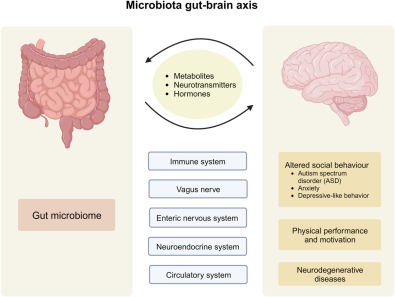
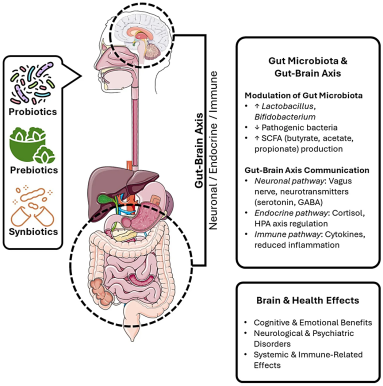
The human gut microbiome is a complex ecological community that plays an important role in physiological development, immune maturation, metabolic homeostasis, and organ function, particularly during early life. The first years after birth represent a critical developmental window when microbial colonization and dietary interactions can influence long-term health. Emerging evidence indicates that the gut microbiome extends beyond digestion and functions as a communication network connecting intestinal health with distant organs through the gut microbiome health axis. This axis integrates microbial metabolites, immune signaling, endocrine regulation, and neural pathways to influence brain, skeletal, and muscular development. Disruption of early-life microbial balance has been associated with impaired gut comfort, altered immune responses, metabolic disturbances, and developmental challenges. Synbiotics, defined as combinations of beneficial microorganisms and selectively utilized substrates that provide synergistic health effects, have gained attention as nutritional strategies for supporting healthy microbiome development. Among these, galacto-oligosaccharides (GOS), a well-characterized prebiotic carbohydrate, and Lactobacillus reuteri, a probiotic species associated with gastrointestinal health, represent a promising combination. GOS selectively stimulates beneficial bacteria, particularly Bifidobacterium species, supporting short-chain fatty acid (SCFA) production, intestinal barrier integrity, and microbial diversity. Meanwhile, L. reuteri may contribute through competitive exclusion of potentially harmful microorganisms, immune modulation, enhancement of intestinal tolerance, and production of bioactive compounds that influence host physiology. Recent randomized clinical evidence suggests that young-child nutritional formulations containing L. reuteri and GOS may modulate gut microbial composition and support musculoskeletal developmental parameters, highlighting the potential value of targeted microbiome interventions during early growth. The gut-brain axis is among the most extensively studied microbiome-mediated pathways. Microbial metabolites, including SCFAs, neurotransmitter-related compounds, and immune mediators, may influence neuronal development, cognitive function, and neuroinflammatory regulation. The gut-bone axis illustrates how microbial metabolites can influence mineral absorption, osteoblast activity, vitamin metabolism, and skeletal remodeling. Improved nutrient utilization and SCFA production may support calcium availability and help regulate inflammatory processes. Emerging evidence also supports a gut-muscle axis, through which microbial composition may influence muscle metabolism, nutrient utilization, protein synthesis, and physical development. This review examines the gut microbiome health axis and the mechanistic role of the GOS and L. reuteri synbiotic combination in supporting early-life gut comfort and development, with particular emphasis on brain, skeletal, and muscular outcomes.
|
Published in
|
International Journal of Gastroenterology (Volume 10, Issue 2)
|
|
DOI
|
10.11648/j.ijg.20261002.15
|
|
Page(s)
|
94-101 |
|
Creative Commons
|

This is an Open Access article, distributed under the terms of the Creative Commons Attribution 4.0 International License (http://creativecommons.org/licenses/by/4.0/), which permits unrestricted use, distribution and reproduction in any medium or format, provided the original work is properly cited.
|
|
Copyright
|
Copyright © The Author(s), 2026. Published by Science Publishing Group
|
Keywords
Gut Microbiome, Gut-brain Axis, Synbiotics, Galacto-oligosaccharides, Lactobacillus Reuteri, Early-life Nutrition,
Skeletal Development, Muscle Development
1. Introduction
The human gastrointestinal tract contains trillions of microorganisms collectively known as the gut microbiota, consisting of bacteria, archaea, viruses, fungi, and other microorganisms that interact continuously with the host. Once considered passive inhabitants of the digestive system, these microbial communities are now recognized as essential regulators of human biology. The gut microbiome contributes to nutrient metabolism, protection against pathogens, immune system education, maintenance of intestinal barrier function, and regulation of systemic physiological processes
| [1] | Sender R, Fuchs S, Milo R. Revised estimates for the number of human and bacteria cells in the body. PLoS Biology. 2016; 14: e1002533. |
[1]
.
Early life represents one of the most important periods for microbiome establishment. Immediately after birth, microbial colonization begins through exposure to maternal microbiota, feeding patterns, environmental factors, and dietary components. During infancy and early childhood, the gut microbiome undergoes rapid maturation, gradually developing into a more stable ecosystem. The composition of microorganisms during this developmental stage can influence immune programming, metabolic pathways, and growth-related processes.
A healthy early-life microbiome is characterized by microbial diversity, abundance of beneficial bacteria, efficient production of microbial metabolites, and effective interaction between microorganisms and host tissues. Conversely, dysbiosis, defined as an imbalance in microbial composition or function, has been associated with gastrointestinal discomfort, increased inflammation, impaired immune regulation, and altered developmental outcomes.
The concept of the gut microbiome health axis describes the interconnected communication network between intestinal microorganisms and distant organs. Through microbial metabolites, immune mediators, and neural pathways, the gut communicates with the brain, skeletal system, and muscular tissues. This multidirectional relationship explains why alterations in gut microbial composition may influence cognitive development, bone formation, and muscle growth.
One of the most promising approaches for improving microbiome function is the use of synbiotics. Unlike isolated probiotics or prebiotics, synbiotics combine beneficial microorganisms with specific substrates that support their survival and activity. The International Scientific Association for Probiotics and Prebiotics defines synbiotics as combinations designed to provide synergistic health benefits by improving the survival and activity of beneficial microorganisms
| [2] | Lynch SV, Pedersen O. The human intestinal microbiome in health and disease. New England Journal of Medicine. 2016; 375: 2369-2379. |
[2]
.
Galacto-oligosaccharides (GOS) are among the most extensively studied prebiotics used in infant and young child nutrition. Structurally similar to human milk oligosaccharides, GOS resist digestion in the upper gastrointestinal tract and reach the colon, where they serve as selective substrates for beneficial bacteria. Through fermentation, GOS promotes production of SCFAs such as acetate, propionate, and butyrate, which contribute to intestinal barrier function, immune regulation, and metabolic health.
Lactobacillus reuteri is a probiotic bacterium naturally found in the gastrointestinal tract and human breast milk. Specific strains, particularly
L. reuteri DSM 17938, have been widely studied for their effects on intestinal comfort, microbial balance, immune modulation, and gastrointestinal function. Research has demonstrated potential benefits of
L. reuteri in reducing digestive discomfort, supporting intestinal maturation, and maintaining microbial stability
| [3] | Thursby E, Juge N. Introduction to the human gut microbiota. Biochemical Journal. 2017; 474: 1823-1836. |
[3]
.
The combination of GOS and L. reuteri represents a biologically rational synbiotic strategy because GOS provides nutritional support for beneficial microorganisms while L. reuteri contributes functional probiotic effects. Recent evidence from randomized trials suggests that this combination may influence microbiome composition and support musculoskeletal development in young children.
Therefore, understanding the mechanisms through which GOS and L. reuteri influence the gut microbiome health axis may provide valuable insights into nutritional approaches that support optimal development during early life. This review discusses the role of this synbiotic combination in maintaining gut comfort and explores its potential contribution to brain, skeletal, and muscular development.
2. Gut Microbiome Health Axis: A Central Regulator of Early-Life Development
The gut microbiome health axis represents a complex biological communication system through which intestinal microorganisms influence multiple physiological processes beyond digestion. During early life, the establishment of a balanced gut microbial ecosystem is essential because microbial signals contribute to maturation of the immune system, metabolic programming, intestinal barrier development, and communication with developing organs. The interaction between microorganisms and host tissues occurs through several mechanisms, including microbial metabolites, immune modulation, endocrine pathways, and neural signaling
| [4] | Dominguez-Bello MG, et al. Development of the human gastrointestinal microbiota. Nature Reviews Microbiology. 2019; 17: 1-13. |
[4]
.
A major mechanism underlying the gut microbiome health axis is the production of microbial-derived metabolites. Dietary components that escape digestion, particularly complex carbohydrates and prebiotic fibers, are fermented by intestinal bacteria to produce short-chain fatty acids (SCFAs), including acetate, propionate, and butyrate. These metabolites serve as energy sources for intestinal epithelial cells, enhance tight junction integrity, regulate inflammatory responses, and influence systemic metabolism. Butyrate, in particular, plays an important role in maintaining intestinal barrier function by promoting epithelial cell differentiation and reducing excessive inflammatory signaling.
During infancy, microbial colonization strongly influences immune system development. Beneficial bacteria such as
Bifidobacterium and
Lactobacillus species contribute to immune tolerance by regulating regulatory T-cell activity, balancing pro-inflammatory and anti-inflammatory cytokine production, and preventing excessive immune activation. A disrupted microbiome during this critical developmental period may increase susceptibility to allergic diseases, gastrointestinal disorders, metabolic abnormalities, and impaired growth patterns
| [4] | Dominguez-Bello MG, et al. Development of the human gastrointestinal microbiota. Nature Reviews Microbiology. 2019; 17: 1-13. |
[4]
.
The gut microbiome health axis can be categorized into multiple interconnected pathways:
Gut-brain axis: Communication between intestinal microorganisms and the nervous system through microbial metabolites, vagal nerve signaling, immune mediators, and neurotransmitter-related compounds.
Gut-bone axis: Interaction between gut microorganisms and skeletal tissues through regulation of mineral absorption, inflammatory pathways, vitamin metabolism, and osteoblast activity.
Gut-muscle axis: Communication between gut microorganisms and skeletal muscles through regulation of protein metabolism, energy utilization, amino acid availability, and inflammatory control
| [5] | Milani C, et al. The first microbial colonizers of the human gut. Microbiology and Molecular Biology Reviews. 2017; 81: e00036-17. |
[5]
.
Early-life nutrition plays a decisive role in shaping these pathways. Breast milk naturally contains human milk oligosaccharides (HMOs), which selectively promote beneficial microbial populations. GOS has been developed as a functional prebiotic that mimics some microbiome-supporting effects of HMOs by promoting beneficial bacteria and enhancing microbial metabolite production.
When combined with specific probiotics such as
Lactobacillus reuteri, GOS may create a favorable microbial environment by supporting probiotic survival, increasing beneficial bacterial activity, and enhancing host-microbial interactions. This synbiotic relationship provides a foundation for improving intestinal comfort while potentially supporting broader developmental processes
| [6] | Bäckhed F, et al. Dynamics and stabilization of the human gut microbiome during the first year of life. Cell Host & Microbe. 2015; 17: 690-703. |
[6]
.
2.1. Significance of the Synbiotic Role of GOS and Lactobacillus reuteri in Early-Life Gut Comfort
Early-life gastrointestinal discomfort is a common concern due to the immaturity of digestive function, developing intestinal motility, and incomplete microbial stabilization. Symptoms such as excessive crying, abdominal discomfort, irregular bowel patterns, and digestive intolerance are frequently associated with microbial imbalance and immature gut function. Nutritional strategies targeting microbiome development have therefore gained significant attention.
GOS functions as a selective substrate that promotes the growth of beneficial bacteria, particularly
Bifidobacterium species. Because GOS is resistant to digestion in the small intestine, it reaches the colon where it undergoes bacterial fermentation. This process increases SCFA production, lowers intestinal pH, suppresses growth of potentially harmful microorganisms, and supports intestinal ecosystem stability
| [7] | O’Toole PW, Flemer B. The gut microbiota, ageing and longevity. Nature Reviews Gastroenterology & Hepatology. 2017; 14: 435-445. |
[7]
.
Lactobacillus reuteri contributes additional probiotic benefits through several mechanisms:
1) Competitive exclusion of pathogenic microorganisms by occupying ecological niches.
2) Production of antimicrobial compounds such as reuterin.
3) Enhancement of intestinal epithelial integrity.
4) Modulation of immune responses.
5) Regulation of inflammatory pathways.
6) Improvement of intestinal microbial diversity.
The combination of GOS and
L. reuteri demonstrates a synergistic mechanism because GOS provides a favorable environment for beneficial bacteria, while
L. reuteri actively contributes to microbial balance and host interaction. This relationship represents more than simple coexistence; rather, it reflects a functional partnership between dietary components and microorganisms
| [8] | Cryan JF, et al. The microbiota-gut-brain axis. Physiological Reviews. 2019; 99: 1877-2013. |
[8]
.
Recent clinical investigations have explored the effect of young child nutritional products containing L. reuteri and GOS on microbiome composition and developmental outcomes. Findings indicate that synbiotic supplementation may increase beneficial microbial populations, improve microbial metabolic activity, and influence markers associated with musculoskeletal development. Such evidence supports the concept that early nutritional interventions targeting microbiome function may have effects extending beyond digestive health.
2.2. Supporting Brain Development: The Gut-Brain Axis
The gut-brain axis represents one of the most extensively studied microbiome-mediated communication pathways. It describes the bidirectional relationship between intestinal microorganisms and the central nervous system, involving neural, immune, metabolic, and endocrine mechanisms
| [9] | Morais LH, Schreiber HL, Mazmanian SK. The gut microbiota-brain axis in behaviour and brain disorders. Nature Reviews Microbiology. 2021; 19: 241-255. |
[9]
.
During early childhood, brain development requires precise regulation of neuronal growth, synapse formation, neurotransmitter balance, and immune signaling. The gut microbiome contributes to these processes through production of bioactive metabolites and regulation of systemic inflammation.
SCFAs produced through GOS fermentation influence brain function through several mechanisms. Butyrate can cross biological barriers and regulate gene expression through epigenetic mechanisms, potentially influencing neuronal maturation and synaptic plasticity. Acetate and propionate participate in metabolic regulation and communication between peripheral tissues and the brain.
Gut microorganisms also influence neurotransmitter pathways. Several bacterial species are capable of producing or regulating molecules associated with neurological function, including gamma-aminobutyric acid (GABA), serotonin precursors, and dopamine-related metabolites. Although the direct contribution of microbial neurotransmitter production to human brain development remains under investigation, evidence strongly supports the importance of microbiome-mediated signaling
| [10] | Foster JA, McVey Neufeld KA. Gut-brain axis: how the microbiome influences anxiety and depression. Trends in Neurosciences. 2013; 36: 305-312. |
[10]
.
L. reuteri has demonstrated potential neurodevelopmental effects through modulation of immune responses and microbial signaling pathways. Experimental studies suggest that certain strains may influence social behavior, stress response, and neural communication through the vagus nerve pathway.
One proposed mechanism involves reduction of excessive inflammatory signaling. Chronic low-grade inflammation can negatively affect brain development by altering neuronal growth and immune balance. By maintaining intestinal barrier integrity and regulating cytokine production,
L. reuteri may contribute indirectly to a healthier neurodevelopmental environment
| [12] | Koh A, et al. From dietary fiber to host physiology: short-chain fatty acids as key bacterial metabolites. Cell. 2016; 165: 1332-1345. |
[12]
.
The combination of GOS and L. reuteri may support brain development by:
1) Increasing beneficial microbial populations.
2) Enhancing SCFA production.
3) Maintaining intestinal barrier integrity.
4) Reducing systemic inflammation.
5) Supporting balanced immune-neural communication.
Although further long-term human studies are required, current evidence suggests that microbiome-targeted nutrition represents a promising approach for supporting optimal brain development during early life.
2.3. Supporting Skeletal Development: The Gut-Bone Axis
Bone development during childhood depends on adequate nutrient availability, hormonal regulation, immune balance, and mechanical stimulation. Recent research has identified the gut microbiome as an important regulator of skeletal health through the gut-bone axis
| [13] | Ríos-Covián D, et al. Intestinal short chain fatty acids and their link with diet and human health. Frontiers in Microbiology. 2016; 7: 185. |
[13]
.
The gut microbiome influences bone development through several mechanisms:
Beneficial bacteria enhance intestinal absorption of minerals required for skeletal growth, particularly calcium, magnesium, and phosphorus. SCFAs produced from GOS fermentation reduce intestinal pH, which increases mineral solubility and improves absorption.
Table 1.
Gut Microbiome Health Axis and Developmental Functions | [14] | Gibson GR, et al. Expert consensus document: the ISAPP consensus statement on the definition and scope of prebiotics. Nature Reviews Gastroenterology & Hepatology. 2017; 14: 491-502. |
Axis | Major Mechanism | Important Microbial Factors | Developmental Effect |
Gut-brain axis | Neural signaling, SCFA production, immune regulation | Bifidobacterium, Lactobacillus, L. reuteri | Cognitive development and neurological maturation |
Gut-bone axis | Mineral absorption, inflammatory control | SCFAs, beneficial bacteria | Bone mineralization and skeletal growth |
Gut-muscle axis | Protein metabolism, energy regulation | Microbial metabolites | Muscle growth and physical development |
Calcium availability is essential for:
1) Bone mineralization.
2) Osteoblast activity.
3) Growth plate development.
4) Skeletal strength.
Bone formation and degradation are controlled by osteoblasts and osteoclasts. Microbial metabolites influence signaling molecules involved in this balance. SCFAs can promote osteoblast differentiation while reducing excessive inflammatory activation of osteoclast pathways
| [16] | Sanders ME, et al. Probiotics and prebiotics in intestinal health and disease. Gut. 2019; 68: 180-193. |
| [17] | Savino F, et al. Lactobacillus reuteri DSM 17938 in infantile colic. Pediatrics. 2010; 126: e526-e533. |
[16, 17]
.
Chronic inflammation can negatively affect bone formation by increasing inflammatory cytokines that stimulate bone resorption. By improving microbial balance, GOS and L. reuteri may contribute to reduced inflammatory pressure on skeletal tissues.
A randomized clinical study investigating young child formula supplemented with
L. reuteri and GOS demonstrated modulation of gut microbiota composition and improvements in developmental parameters related to bone and muscle growth. These findings suggest that microbiome-directed nutritional strategies may contribute to supporting physical development during childhood
| [18] | Indrio F, et al. Prophylactic use of probiotic Lactobacillus reuteri DSM 17938 in newborns. JAMA Pediatrics. 2014; 168: 228-233. |
| [19] | Mu Q, Tavella VJ, Luo XM. Role of Lactobacillus reuteri in human health. Frontiers in Microbiology. 2018; 9: 757. |
[18, 19]
.
Table 2.
Functional Role of GOS and L. reuteri as a Synbiotic Combination | [20] | Spinler JK, et al. Human-derived probiotic Lactobacillus reuteri strains. Applied and Environmental Microbiology. 2008; 74: 1141-1147. |
Component | Primary Function | Mechanism | Health Benefit |
GOS | Prebiotic substrate | Selective stimulation of beneficial bacteria | Improved microbial balance |
L. reuteri | Probiotic microorganism | Immune modulation and pathogen inhibition | Improved gut comfort |
GOS + L. reuteri | Synbiotic action | Enhanced microbial survival and activity | Support of systemic development |
2.4. Supporting Muscular Development: The Gut-Muscle Axis
The relationship between intestinal microorganisms and skeletal muscle has recently emerged as an important area of research. The gut-muscle axis describes how microbial composition and microbial metabolites influence muscle metabolism, growth, and function.
Skeletal muscle requires continuous supply of amino acids, energy substrates, and regulatory signals. The gut microbiome contributes to these processes by affecting nutrient absorption, metabolism, and inflammatory regulation
| [21] | Ohlsson B, et al. Gut microbiota and bone health. Current Osteoporosis Reports. 2017; 15: 485-494. |
| [22] | Lucas S, et al. Short-chain fatty acids regulate bone metabolism. Scientific Reports. 2018; 8: 168. |
[21, 22]
.
Beneficial gut microorganisms may support muscle development through:
1) Improved nutrient utilization.
2) Enhanced amino acid metabolism.
3) Regulation of energy availability.
4) Reduction of chronic inflammation.
SCFAs produced from GOS fermentation serve as metabolic substrates and signaling molecules that influence energy homeostasis. These metabolites may improve mitochondrial function and support efficient energy production required for muscle development
| [23] | Villa CR, et al. Gut microbiota and skeletal muscle health. Current Osteoporosis Reports. 2020; 18: 1-11. |
| [24] | Ticinesi A, et al. Gut microbiota and muscle function in older adults. Nutrients. 2019; 11: 163. |
[23, 24]
.
L. reuteri may contribute to muscle development indirectly through improved intestinal health. A healthier intestinal environment allows better nutrient absorption and reduces inflammatory stress. Inflammation is a major factor that can impair muscle protein synthesis and negatively influence growth
| [25] | Bindels LB, et al. Muscle physiology and microbiota interactions. Nature Reviews Endocrinology. 2016; 12: 241-251. |
[25]
.
By maintaining microbial balance and supporting digestive comfort,
L. reuteri may create favorable conditions for normal muscular development
| [26] | Hill C, et al. Expert consensus document on probiotics. Nature Reviews Gastroenterology & Hepatology. 2014; 11: 506-514. |
[26]
.
Table 3.
Evidence Supporting the Role of GOS and L. reuteri in Brain, Skeletal and Muscular Development | [27] | Zmora N, Suez J, Elinav E. You are what you eat: diet, health and gut microbiota. Nature Reviews Gastroenterology & Hepatology. 2019; 16: 35-56. |
| [28] | Arrieta MC, et al. The intestinal microbiota in early life: health and disease. Clinical & Experimental Allergy. 2014; 44: 100-112. |
Developmental System | Proposed Mechanism | Role of GOS | Role of L. reuteri | Potential Developmental Outcome |
Brain development | Gut-brain communication through SCFAs, immune regulation and microbial signaling | Enhances beneficial bacteria and increases production of neuroactive metabolites | Modulates inflammatory responses and supports microbial stability | Improved neurodevelopmental environment and cognitive support |
Skeletal development | Gut-bone axis through mineral absorption, osteoblast regulation and immune control | Enhances SCFA production and improves mineral availability | Supports intestinal health and reduces inflammatory imbalance | Improved bone mineralization and skeletal growth |
Muscular development | Gut-muscle axis through nutrient utilization, metabolism and inflammation regulation | Promotes microbial fermentation and metabolic efficiency | Improves gut function and nutrient absorption | Supports muscle growth, energy metabolism and physical development |
3. Conclusion
The gut microbiome has emerged as a critical regulator of early-life development, extending far beyond its traditional role in digestion. The concept of the gut microbiome health axis demonstrates that intestinal microorganisms actively communicate with multiple organ systems, including the brain, skeletal system, and muscular tissues. Through microbial metabolites, immune regulation, and metabolic signaling, the gut microbiome contributes to establishing physiological conditions required for healthy growth and long-term health.
Early childhood represents a particularly sensitive period because microbial colonization and maturation occur simultaneously with rapid neurological, skeletal, and muscular development. Therefore, nutritional approaches capable of supporting beneficial microbial communities during this developmental window may provide important advantages in maintaining gut comfort and optimizing growth outcomes.
The combination of galacto-oligosaccharides (GOS) and Lactobacillus reuteri represents a scientifically promising synbiotic strategy because these components provide complementary functions. GOS acts as a selective nutritional substrate that promotes beneficial bacteria, particularly bifidobacteria, while supporting the production of short-chain fatty acids that contribute to intestinal barrier integrity, immune regulation, and metabolic health. Meanwhile, L. reuteri provides probiotic activity through competitive exclusion of undesirable microorganisms, production of antimicrobial compounds, modulation of immune pathways, and enhancement of microbial stability.
The gut-brain axis highlights the importance of microbiome-derived signals in supporting neurological development. Through SCFA production, immune regulation, and microbial communication pathways, GOS and L. reuteri may contribute to a favorable environment for brain maturation. Although direct causal relationships between specific synbiotic interventions and cognitive outcomes require further investigation, current evidence supports the importance of maintaining a balanced microbiome during early neurodevelopment.
Similarly, the gut-bone axis provides evidence that microbial activity influences skeletal development through improved mineral absorption, regulation of inflammatory pathways, and modulation of bone remodeling processes. By enhancing intestinal function and nutrient availability, synbiotic interventions may support optimal bone formation during childhood.
The emerging gut-muscle axis further expands understanding of microbiome-mediated development. Muscle growth depends on efficient nutrient utilization, energy metabolism, and controlled inflammatory responses. By improving intestinal health and microbial metabolic activity, GOS and L. reuteri may indirectly support muscular development and physical growth.
However, despite promising findings, several limitations remain. Many mechanistic studies are based on animal models or short-term human trials, and the long-term developmental effects of specific synbiotic combinations require further investigation. Future research should focus on large-scale longitudinal clinical trials, strain-specific probiotic effects, personalized microbiome responses, and the interaction between genetic, environmental, and nutritional factors.
Overall, current evidence supports the concept that targeted microbiome modulation through synbiotic combinations such as GOS and L. reuteri represents a promising nutritional approach for promoting early-life gut comfort and supporting integrated development of the brain, skeletal system, and muscles. Understanding these complex microbiome-host interactions may contribute to the development of future precision nutrition strategies aimed at improving lifelong health outcomes.
Author Contributions
Naeyema Sadia: Conceptualization, Data curation, Formal Analysis, Investigation, Methodology, Project administration, Supervision, Validation, Visualization, Writing – original draft
Khan Lamia Nahid: Conceptualization, Data curation, Formal Analysis, Investigation, Methodology, Supervision, Visualization, Writing – original draft
Shams Ibne Maksud: Conceptualization, Data curation, Formal Analysis, Investigation, Methodology, Project administration, Visualization
Khaleeda Akter: Conceptualization, Data curation, Formal Analysis, Investigation, Validation, Visualization, Writing – original draft
Shuma Riam: Conceptualization, Data curation, Formal Analysis, Investigation, Methodology, Project administration, Supervision, Validation, Visualization, Writing – original draft, Writing – review & editing
Shahana Begum: Conceptualization, Data curation, Formal Analysis, Investigation, Methodology, Project administration
Rebecca Akhter: Conceptualization, Data curation, Formal Analysis, Investigation, Methodology, Project administration, Supervision, Validation
Saiful Alam: Conceptualization, Data curation, Formal Analysis, Investigation, Project administration
Conflicts of Interest
The authors declare no conflicts of interest.
References
| [1] |
Sender R, Fuchs S, Milo R. Revised estimates for the number of human and bacteria cells in the body. PLoS Biology. 2016; 14: e1002533.
|
| [2] |
Lynch SV, Pedersen O. The human intestinal microbiome in health and disease. New England Journal of Medicine. 2016; 375: 2369-2379.
|
| [3] |
Thursby E, Juge N. Introduction to the human gut microbiota. Biochemical Journal. 2017; 474: 1823-1836.
|
| [4] |
Dominguez-Bello MG, et al. Development of the human gastrointestinal microbiota. Nature Reviews Microbiology. 2019; 17: 1-13.
|
| [5] |
Milani C, et al. The first microbial colonizers of the human gut. Microbiology and Molecular Biology Reviews. 2017; 81: e00036-17.
|
| [6] |
Bäckhed F, et al. Dynamics and stabilization of the human gut microbiome during the first year of life. Cell Host & Microbe. 2015; 17: 690-703.
|
| [7] |
O’Toole PW, Flemer B. The gut microbiota, ageing and longevity. Nature Reviews Gastroenterology & Hepatology. 2017; 14: 435-445.
|
| [8] |
Cryan JF, et al. The microbiota-gut-brain axis. Physiological Reviews. 2019; 99: 1877-2013.
|
| [9] |
Morais LH, Schreiber HL, Mazmanian SK. The gut microbiota-brain axis in behaviour and brain disorders. Nature Reviews Microbiology. 2021; 19: 241-255.
|
| [10] |
Foster JA, McVey Neufeld KA. Gut-brain axis: how the microbiome influences anxiety and depression. Trends in Neurosciences. 2013; 36: 305-312.
|
| [11] |
Schroeder BO, Bäckhed F. Signals from the gut microbiota to distant organs in physiology and disease. Nature Medicine. 2016; 22: 1079-1089.
|
| [12] |
Koh A, et al. From dietary fiber to host physiology: short-chain fatty acids as key bacterial metabolites. Cell. 2016; 165: 1332-1345.
|
| [13] |
Ríos-Covián D, et al. Intestinal short chain fatty acids and their link with diet and human health. Frontiers in Microbiology. 2016; 7: 185.
|
| [14] |
Gibson GR, et al. Expert consensus document: the ISAPP consensus statement on the definition and scope of prebiotics. Nature Reviews Gastroenterology & Hepatology. 2017; 14: 491-502.
|
| [15] |
Swanson KS, et al. The International Scientific Association for Probiotics and Prebiotics consensus statement on synbiotics. Nature Reviews Gastroenterology & Hepatology. 2020; 17: 687-701.
|
| [16] |
Sanders ME, et al. Probiotics and prebiotics in intestinal health and disease. Gut. 2019; 68: 180-193.
|
| [17] |
Savino F, et al. Lactobacillus reuteri DSM 17938 in infantile colic. Pediatrics. 2010; 126: e526-e533.
|
| [18] |
Indrio F, et al. Prophylactic use of probiotic Lactobacillus reuteri DSM 17938 in newborns. JAMA Pediatrics. 2014; 168: 228-233.
|
| [19] |
Mu Q, Tavella VJ, Luo XM. Role of Lactobacillus reuteri in human health. Frontiers in Microbiology. 2018; 9: 757.
|
| [20] |
Spinler JK, et al. Human-derived probiotic Lactobacillus reuteri strains. Applied and Environmental Microbiology. 2008; 74: 1141-1147.
|
| [21] |
Ohlsson B, et al. Gut microbiota and bone health. Current Osteoporosis Reports. 2017; 15: 485-494.
|
| [22] |
Lucas S, et al. Short-chain fatty acids regulate bone metabolism. Scientific Reports. 2018; 8: 168.
|
| [23] |
Villa CR, et al. Gut microbiota and skeletal muscle health. Current Osteoporosis Reports. 2020; 18: 1-11.
|
| [24] |
Ticinesi A, et al. Gut microbiota and muscle function in older adults. Nutrients. 2019; 11: 163.
|
| [25] |
Bindels LB, et al. Muscle physiology and microbiota interactions. Nature Reviews Endocrinology. 2016; 12: 241-251.
|
| [26] |
Hill C, et al. Expert consensus document on probiotics. Nature Reviews Gastroenterology & Hepatology. 2014; 11: 506-514.
|
| [27] |
Zmora N, Suez J, Elinav E. You are what you eat: diet, health and gut microbiota. Nature Reviews Gastroenterology & Hepatology. 2019; 16: 35-56.
|
| [28] |
Arrieta MC, et al. The intestinal microbiota in early life: health and disease. Clinical & Experimental Allergy. 2014; 44: 100-112.
|
Cite This Article
-
APA Style
Sadia, N., Nahid, K. L., Maksud, S. I., Akter, K., Riam, S., et al. (2026). The Significance of Gut Microbiome Health Axis: Exploring the Synbiotic Role of GOS and Lactobacillus Reuteri in Supporting Brain, Skeletal and Muscular Development. International Journal of Gastroenterology, 10(2), 94-101. https://doi.org/10.11648/j.ijg.20261002.15
 Copy
|
Copy
|
 Download
ACS Style
Sadia, N.; Nahid, K. L.; Maksud, S. I.; Akter, K.; Riam, S., et al. The Significance of Gut Microbiome Health Axis: Exploring the Synbiotic Role of GOS and Lactobacillus Reuteri in Supporting Brain, Skeletal and Muscular Development. Int. J. Gastroenterol. 2026, 10(2), 94-101. doi: 10.11648/j.ijg.20261002.15
Copy
|
Download
AMA Style
Sadia N, Nahid KL, Maksud SI, Akter K, Riam S, et al. The Significance of Gut Microbiome Health Axis: Exploring the Synbiotic Role of GOS and Lactobacillus Reuteri in Supporting Brain, Skeletal and Muscular Development. Int J Gastroenterol. 2026;10(2):94-101. doi: 10.11648/j.ijg.20261002.15
Copy
|
Download
-
@article{10.11648/j.ijg.20261002.15,
  author = {Naeyema Sadia and Khan Lamia Nahid and Shams Ibne Maksud and Khaleeda Akter and Shuma Riam and Shahana Begum and Rebecca Akhter and Saiful Alam},
  title = {The Significance of Gut Microbiome Health Axis: Exploring the Synbiotic Role of GOS and Lactobacillus Reuteri in Supporting Brain, Skeletal and Muscular Development},
  journal = {International Journal of Gastroenterology},
  volume = {10},
  number = {2},
  pages = {94-101},
  doi = {10.11648/j.ijg.20261002.15},
  url = {https://doi.org/10.11648/j.ijg.20261002.15},
  eprint = {https://article.sciencepublishinggroup.com/pdf/10.11648.j.ijg.20261002.15},
  abstract = {The human gut microbiome is a complex ecological community that plays an important role in physiological development, immune maturation, metabolic homeostasis, and organ function, particularly during early life. The first years after birth represent a critical developmental window when microbial colonization and dietary interactions can influence long-term health. Emerging evidence indicates that the gut microbiome extends beyond digestion and functions as a communication network connecting intestinal health with distant organs through the gut microbiome health axis. This axis integrates microbial metabolites, immune signaling, endocrine regulation, and neural pathways to influence brain, skeletal, and muscular development. Disruption of early-life microbial balance has been associated with impaired gut comfort, altered immune responses, metabolic disturbances, and developmental challenges. Synbiotics, defined as combinations of beneficial microorganisms and selectively utilized substrates that provide synergistic health effects, have gained attention as nutritional strategies for supporting healthy microbiome development. Among these, galacto-oligosaccharides (GOS), a well-characterized prebiotic carbohydrate, and Lactobacillus reuteri, a probiotic species associated with gastrointestinal health, represent a promising combination. GOS selectively stimulates beneficial bacteria, particularly Bifidobacterium species, supporting short-chain fatty acid (SCFA) production, intestinal barrier integrity, and microbial diversity. Meanwhile, L. reuteri may contribute through competitive exclusion of potentially harmful microorganisms, immune modulation, enhancement of intestinal tolerance, and production of bioactive compounds that influence host physiology. Recent randomized clinical evidence suggests that young-child nutritional formulations containing L. reuteri and GOS may modulate gut microbial composition and support musculoskeletal developmental parameters, highlighting the potential value of targeted microbiome interventions during early growth. The gut-brain axis is among the most extensively studied microbiome-mediated pathways. Microbial metabolites, including SCFAs, neurotransmitter-related compounds, and immune mediators, may influence neuronal development, cognitive function, and neuroinflammatory regulation. The gut-bone axis illustrates how microbial metabolites can influence mineral absorption, osteoblast activity, vitamin metabolism, and skeletal remodeling. Improved nutrient utilization and SCFA production may support calcium availability and help regulate inflammatory processes. Emerging evidence also supports a gut-muscle axis, through which microbial composition may influence muscle metabolism, nutrient utilization, protein synthesis, and physical development. This review examines the gut microbiome health axis and the mechanistic role of the GOS and L. reuteri synbiotic combination in supporting early-life gut comfort and development, with particular emphasis on brain, skeletal, and muscular outcomes.},
 year = {2026}
}
Copy
|
Download
-
TY  - JOUR
T1  - The Significance of Gut Microbiome Health Axis: Exploring the Synbiotic Role of GOS and Lactobacillus Reuteri in Supporting Brain, Skeletal and Muscular Development
AU  - Naeyema Sadia
AU  - Khan Lamia Nahid
AU  - Shams Ibne Maksud
AU  - Khaleeda Akter
AU  - Shuma Riam
AU  - Shahana Begum
AU  - Rebecca Akhter
AU  - Saiful Alam
Y1  - 2026/10/15
PY  - 2026
N1  - https://doi.org/10.11648/j.ijg.20261002.15
DO  - 10.11648/j.ijg.20261002.15
T2  - International Journal of Gastroenterology
JF  - International Journal of Gastroenterology
JO  - International Journal of Gastroenterology
SP  - 94
EP  - 101
PB  - Science Publishing Group
SN  - 2640-169X
UR  - https://doi.org/10.11648/j.ijg.20261002.15
AB  - The human gut microbiome is a complex ecological community that plays an important role in physiological development, immune maturation, metabolic homeostasis, and organ function, particularly during early life. The first years after birth represent a critical developmental window when microbial colonization and dietary interactions can influence long-term health. Emerging evidence indicates that the gut microbiome extends beyond digestion and functions as a communication network connecting intestinal health with distant organs through the gut microbiome health axis. This axis integrates microbial metabolites, immune signaling, endocrine regulation, and neural pathways to influence brain, skeletal, and muscular development. Disruption of early-life microbial balance has been associated with impaired gut comfort, altered immune responses, metabolic disturbances, and developmental challenges. Synbiotics, defined as combinations of beneficial microorganisms and selectively utilized substrates that provide synergistic health effects, have gained attention as nutritional strategies for supporting healthy microbiome development. Among these, galacto-oligosaccharides (GOS), a well-characterized prebiotic carbohydrate, and Lactobacillus reuteri, a probiotic species associated with gastrointestinal health, represent a promising combination. GOS selectively stimulates beneficial bacteria, particularly Bifidobacterium species, supporting short-chain fatty acid (SCFA) production, intestinal barrier integrity, and microbial diversity. Meanwhile, L. reuteri may contribute through competitive exclusion of potentially harmful microorganisms, immune modulation, enhancement of intestinal tolerance, and production of bioactive compounds that influence host physiology. Recent randomized clinical evidence suggests that young-child nutritional formulations containing L. reuteri and GOS may modulate gut microbial composition and support musculoskeletal developmental parameters, highlighting the potential value of targeted microbiome interventions during early growth. The gut-brain axis is among the most extensively studied microbiome-mediated pathways. Microbial metabolites, including SCFAs, neurotransmitter-related compounds, and immune mediators, may influence neuronal development, cognitive function, and neuroinflammatory regulation. The gut-bone axis illustrates how microbial metabolites can influence mineral absorption, osteoblast activity, vitamin metabolism, and skeletal remodeling. Improved nutrient utilization and SCFA production may support calcium availability and help regulate inflammatory processes. Emerging evidence also supports a gut-muscle axis, through which microbial composition may influence muscle metabolism, nutrient utilization, protein synthesis, and physical development. This review examines the gut microbiome health axis and the mechanistic role of the GOS and L. reuteri synbiotic combination in supporting early-life gut comfort and development, with particular emphasis on brain, skeletal, and muscular outcomes.
VL  - 10
IS  - 2
ER  -
Copy
|
Download




 Share This Article
 Twitter
 Linked In
 Facebook