Abstract
Common vetch (Vicia sativa L.) is an important forage legume because of its high biomass productivity, protein content, biological nitrogen fixation, and adaptability to diverse agroecological conditions. The development of cultivars with high productivity and improved adaptation to saline and other environmentally stressful conditions is particularly important for sustainable forage production in Uzbekistan. This study aimed to characterize the morphobiological traits, phenological development, productivity components, and forage quality of the common vetch cultivar ‘Mirzachul-2’ and to evaluate promising breeding accessions used in its development. The cultivar originated from accession KGU-0084 maintained in the “Salt-Tolerant Plants” gene pool at the Research Institute of Agrobiotechnology and Biochemistry of Gulistan State University. Individual selection was initiated in 2008, followed by evaluation in breeding, control, and competitive variety-testing nurseries and subsequent State Variety Testing in 2021–2023. Seed germination under saline conditions, phenological stages, plant morphology, pod and seed productivity, and forage chemical composition were evaluated. Factor analysis was used to identify associations among economically important morphological traits and to select promising breeding materials. The “Mirzachul-2” cultivar showed 75% seed germination under the tested saline conditions and completed its developmental cycle in 237 days under autumn sowing. Green biomass productivity reached 100–120 centners ha⁻¹, while crude protein content was 20.8% of dry matter. Among the selected breeding accessions, accession No. 5 produced the highest seed yield per unit area (172.2 g m⁻²), whereas accession No. 3 showed high values for several reproductive traits. Overall, the results demonstrate the agronomic and forage potential of “Mirzachul-2” and provide useful breeding material for the development of productive common vetch cultivars adapted to challenging agroecological conditions.
|
Published in
|
American Journal of Life Sciences (Volume 14, Issue 5)
|
|
DOI
|
10.11648/j.ajls.20261405.12
|
|
Page(s)
|
128-135 |
|
Creative Commons
|

This is an Open Access article, distributed under the terms of the Creative Commons Attribution 4.0 International License (http://creativecommons.org/licenses/by/4.0/), which permits unrestricted use, distribution and reproduction in any medium or format, provided the original work is properly cited.
|
|
Copyright
|
Copyright © The Author(s), 2026. Published by Science Publishing Group
|
Keywords
Vicia Sativa L., ‘‘Mirzachul-2’’, Common Vetch, Forage Crop, Plant Breeding, Productivity, Saline Stress, Factor Analysis
1. Introduction
Vetch (Vicia L.) belongs to the family Fabaceae Lindl. and represents a genus of annual herbaceous plants that is considered one of the most valuable forage crops in global agriculture due to its outstanding biological characteristics and agronomic importance. The genus Vicia comprises more than 150 species, many of which are naturally distributed throughout Europe, Asia, and the Mediterranean region, while also being widely cultivated as agricultural crops
. Vetch is distinguished by its high productivity of green biomass and protein-rich seeds, its ability to biologically fix atmospheric nitrogen through symbiosis with nodule-forming bacteria of the genus Rhizobium spp., and its important role in restoring soil fertility
| [1] | Ramírez-Parra, E., De la Rosa, L. Designing Novel Strategies for Improving Old Legumes: An Overview from Common Vetch. Plants. 2023, 12(6), 1275.
https://doi.org/10.3390/plants12061275 |
| [2] | Huang, Y., Gao, X., Nan, Z., Zhang, Z. Potential Value of the Common Vetch (Vicia sativa L.) as an Animal Feedstuff: A Review. Journal of Animal Physiology and Animal Nutrition. 2017, 101(5), 807–823. https://doi.org/10.1111/jpn.12617 |
[1, 2]
. Consequently, this crop is extensively used as a highly nutritious forage plant, as well as a green manure, cover crop, and intercrop. Furthermore, vetch contributes to the improvement of the physicochemical properties of soils, increases organic matter and humus content, reduces the intensity of erosion processes, and enhances the ecological sustainability of agroecosystems. Its well-developed root system improves soil structure and porosity, promotes moisture retention, and creates favorable conditions for mineral nutrition of subsequent agricultural crops.
The high content of crude protein, essential amino acids, vitamins, and mineral elements determines the substantial forage value of vetch and allows it to be regarded as one of the most promising protein-rich forage crops.
In recent years, under conditions of climate change, soil degradation, and the continuously increasing cost of mineral fertilizers, interest in the use of vetch as a biological source of nitrogen has grown considerably. Consequently, intensive research efforts have been directed toward improving technologies for the intercropping of vetch with cereal crops, particularly barley, wheat, oats, and triticale, evaluating their biological compatibility, and increasing yield as well as improving the forage quality of the resulting biomass.
Vicia sativa L. (common vetch) belongs to the family Fabaceae Lindl. and is an annual forage crop widely distributed in temperate and subtropical regions of the world. This crop is characterized by high yields of green biomass and protein-rich seeds, the ability to biologically fix atmospheric nitrogen, and a high degree of adaptability to diverse agroclimatic conditions. At present, common vetch is regarded not only as a valuable source of highly nutritious livestock feed but also as one of the most important crops used in organic farming, soil fertility restoration, and biological reclamation of saline soils
| [3] | Jin, H., Zhang, J., Dimtrov, Y., Yang, X., Du, R., Wu, Y., Chang, D., Zhang, R., Zhao, H. Exploring the Genetic Foundations of Salt Tolerance in Common Vetch (Vicia sativa L.) via Genome-Wide Association Analysis. Genes. 2025, 17(1), 1–18.
https://doi.org/10.3390/genes17010032 |
| [4] | Min, X., Wang, Q., Wei, Z., Liu, Z., Liu, W. Full-Length Transcriptional Analysis Reveals the Complex Relationship of Leaves and Roots in Responses to Cold-Drought Combined Stress in Common Vetch. Frontiers in Plant Science. 2022, 13, 1–15. https://doi.org/10.3389/fpls.2022.976094 |
[3, 4]
.
From a morphological perspective, Vicia sativa is characterized by a well-developed taproot system, on which nodules formed by the symbiotic bacterium Rhizobium leguminosarum develop. These nodules facilitate atmospheric nitrogen fixation, partially satisfy the plant’s nitrogen requirements, and contribute to improving soil fertility. The stem is slender, ribbed, trailing or climbing, and depending on the cultivar and growing conditions, reaches a height of 40–150 cm. The leaves are pinnately compound and terminate in well-developed tendrils, enabling the plant to attach to neighboring plants or other supports. The flowers are generally purple, pink, or white and are borne singly or in pairs in the leaf axils. The fruit is a multi-seeded pod containing, on average, 5–12 seeds. The seeds are round or angular in shape and, depending on the cultivar, may be gray, brown, or black in color
| [5] | Liu, W. et al. (2025). Genome-Wide Association Study Reveals the Genetic Architecture and Key Drought and Yield Related Genes in Common Vetch. Plant Biotechnology Journal, https://doi.org/10.3390/agronomy15092128 |
| [6] | Lithourgidis, A. S., Vlachostergios, D. N., Dordas, C. A., Damalas, C. A. Competition Indices of Common Vetch and Cereal Intercrops in Two Seeding Ratio. Field Crops Research. 2011, 120(2), 252–258.
https://doi.org/10.1016/j.fcr.2006.07.008 |
| [7] | Avramidou, E., Sarri, E., Papadopoulou, E.-A., Petsoulas, C., Tigka, E., Tourvas, N., Pratsinakis, E., Ganopoulos, I., Tani, E., Aliferis, K. A., Abraham, E. M., Madesis, P., Vlachostergios, D. Phenotypic, Genetic, and Metabolite Variability among Genotypes of Vicia sativa L. Applied Sciences. 2024, 14(20), 9272. https://doi.org/10.3390/app14209272 |
| [8] | Kuter, E. Nutrient Profile, Digestibility, and Feeding Value of Common Vetch (Vicia sativa) Alone or Intercropping with Different Forages. Veterinary Journal of Mehmet Akif Ersoy University. 2022, 7(3), 201–206.
https://doi.org/10.24880/maeuvfd.1168327 |
[5-8]
.
The physiological characteristics of Vicia sativa ensure its high ecological plasticity and adaptability to various environmental conditions. The plant belongs to the group of crops with C3-type photosynthesis, characterized by a high intensity of photosynthetic processes. Vetch develops actively under temperate climatic conditions; seed germination begins at temperatures of 2-4°C, whereas the optimum temperature for vegetative growth is 18-22°C. Vetch is considered a crop with high water-use efficiency and demonstrates relatively high tolerance to short-term drought. In addition, under salinity and other abiotic stress conditions, the plant increases the synthesis of proline, soluble carbohydrates, and antioxidant enzymes, thereby protecting cells against osmotic and oxidative stress. Owing to its symbiotic relationships with nodule-forming bacteria, vetch is capable of fixing 80–200 kg of biologically fixed nitrogen per hectare annually, which contributes to improving the nitrogen nutrition of subsequent agricultural crops and increasing soil fertility
| [9] | Tisserand, J. L., et al. Vicia sativa in Feedipedia. Feedipedia. 2012, 1–8. |
| [10] | Sun, Y., Li, J., Xing, J., Yu, X., Lu, Y., Xu, W., Zhao, N., Liu, Z., Guo, Z. Evaluation of Salt Tolerance in Common Vetch (Vicia sativa L.) Germplasms and the Physiological Responses to Salt Stress. Journal of Plant Physiology. 2022, 278, 153811. https://doi.org/10.1016/j.jplph.2022.153811 |
| [11] | Hanelt, P., Mettin, D. Biosystematics of the Genus Vicia L. (Leguminosae). Annual Review of Ecology and Systems. 1989, 20, 199–223.
https://doi.org/10.1146/annurev.es.20.110189.001215 |
[9-11]
.
In terms of its biochemical composition, Vicia sativa is characterized by high forage and nutritional value. The crude protein content in green biomass ranges from 18–25%, whereas in seeds this value reaches 24–34%. In addition, the plant is characterized by a high content of essential amino acids, including lysine, leucine, isoleucine, valine, and arginine. Vetch tissues contain chlorophylls, carotenoids, flavonoids, phenolic compounds, ascorbic acid, and tocopherols-biologically active substances that play an important role in the functioning of the plant antioxidant system. Under saline conditions or water deficiency, increased activities of superoxide dismutase (SOD), catalase (CAT), and peroxidase (POD), together with the accumulation of proline and soluble sugars, are considered key physiological and biochemical mechanisms underlying plant tolerance to stress conditions
| [12] | Maxted, N. An Ecogeographical Study of Vicia Subgenus Vicia. Systematic and Ecogeographic Studies on Crop Genepools. 1995, 8, 1–184. https://hdl.handle.net/10568/104310 |
| [13] | Potokina, E. Vicia sativa L. Aggregate (Fabaceae) in the Flora of Former USSR. Genetic Resources and Crop Evolution. 1997, 44(3), 199–209. https://doi.org/10.1023/A:1008617631367 |
| [14] | Leht, M. Phylogenetics of Vicia (Fabaceae) Based on Morphological Data. Feddes Repertorium. 2009, 120(7–8), 379–394. https://doi.org/10.1002/fedr.200911117 |
| [15] | Jaaska, V. Isoenzyme Diversity and Phylogenetic Affinities in Vicia Subgenus Vicia (Fabaceae). Genetic Resources and Crop Evolution. 1997, 44(6), 557–571.
https://doi.org/10.1023/A:1008630003045 |
[12-15]
.
The agricultural importance of Vicia sativa is difficult to overestimate. The crop is widely used for the production of hay, silage, haylage, and green fodder and represents a valuable source of readily digestible plant protein. When cultivated in mixtures with cereal crops, particularly barley, oats, and triticale, the quality of the harvested biomass is improved, the protein content of the forage increases, and the risk of lodging is reduced. In addition, vetch is widely used as a green manure crop, contributing to the enrichment of soil with organic matter and biologically fixed nitrogen, the activation of microbiological processes, and the improvement of soil fertility. The inclusion of vetch in crop rotations has a positive effect on the productivity of subsequent agricultural crops by improving their supply with mineral nutrients and enhancing the phytosanitary condition of agroecosystems. In recent years, Vicia sativa has been recognized as one of the most promising agricultural crops for the biological reclamation of saline and degraded soils, the development of organic farming systems, and the establishment of sustainable forage resources under conditions of global climate change
| [16] | Jaaska, V. Isozyme Variation and Phylogenetic Relationships in Vicia Subgenus Cracca (Fabaceae). Annals of Botany. 2005, 96(6), 1085–1095. https://doi.org/10.1093/aob/mci253 |
| [17] | Kupicha, F. K. The Infrageneric Structure of Vicia. Notes from the Royal Botanic Garden Edinburgh. 1976, 34(3), 287–326. https://doi.org/10.24823/nrbge.1976.3040 |
| [18] | Huang, Y. et al. (2020). Common Vetch: A Drought Tolerant, High Protein Neglected Leguminous Crop With Potential as a Sustainable Food Source. Frontiers in Plant Science, 11, 818. https://doi.org/10.3389/fpls.2020.00818 |
| [19] | Saki, A. A., Pourhesabi, G., Yaghobfar, A. Effect of Different Levels of the Raw and Processed Vetch Seed (Vicia sativa) on Broiler Performance. Journal of Biological Sciences. 2008, 8(3), 663–666. https://doi.org/10.3923/jbs.2008.663.666 |
| [20] | Samarah, N. H., Ereifej, K. Chemical Composition and Mineral Content of Common Vetch Seeds During Maturation. Journal of Plant Nutrition. 2009, 32(2), 177–186.
https://doi.org/10.1080/01904160802609039 |
[16-20]
.
2. Origin of the Cultivar and Its Morphological Characteristics
The ‘Mirzachul-2’ Cultivar (Vicia sativa L.) was developed from the accession KGU-0084, maintained in the “Salt-Tolerant Plants” gene pool of the Research Institute of Agrobiotechnology and Biochemistry at Gulistan State University. In 2008, breeding accession No. 2 was selected from this collection accession using individual selection.
The breeding work with this accession was conducted in successive stages: from 2009 to 2012, the accession was evaluated in a breeding nursery; from 2013 to 2015, it was studied in a control nursery; and from 2016 to 2019, it underwent trials in a competitive variety-testing nursery under the designation V-1.
In 2021–2023, the ‘Mirzachul-2’ vetch cultivar was submitted for State Variety Testing (SVT), and since 2025, it has been included in the State Register of Plant Varieties of the Republic of Uzbekistan.
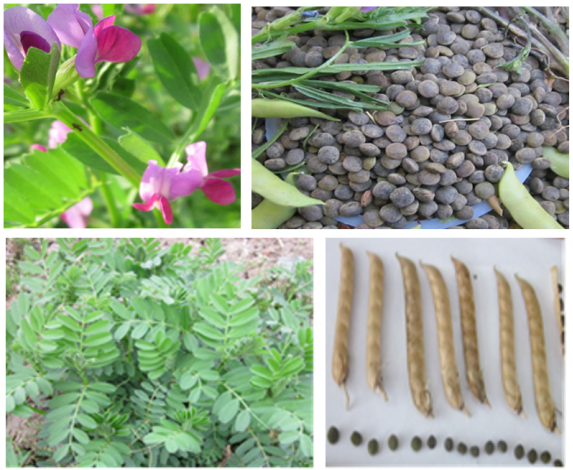
The ‘Mirzachul-2’ cultivar is distinguished by a combination of valuable morphological and agronomically important traits. The average plant height is 34–35 cm. On average, each plant produces 15–17 pods, with their total mass reaching 5.5 g. Each plant produces approximately 80 seeds, while the total seed mass per plant is 1.3 g.
The pods are elongated, with an average length of 5.4 cm. Each pod contains an average of 5.0 seeds, while the average seed mass per pod is 0.3 g. The 1000-seed weight is 43.3 g, indicating the large-seeded nature of the cultivar and its high seed productivity.
The morphological and agronomically valuable characteristics obtained confirm the high productivity of the ‘Mirzachul-2’ cultivar, its ability to produce high-quality seed material, and its potential for use in breeding and seed production.
The ‘Mirzachul-2’ cultivar is a promising forage crop characterized by high nutritional value. Green biomass yield ranges from 100 to 120 centners per hectare (10–12 t/ha), providing high-quality and nutritionally balanced feed for farm animals.
Chemical analysis showed that 100 g of dry matter contains 9.5% crude ash, 20.8% crude protein, 3.1% crude fat, 28.3% crude fiber, and 33.4% nitrogen-free extractives (NFE).
The high crude protein content substantially increases the forage value of the cultivar and allows it to be effectively used for the production of green fodder, hay, and haylage for feeding cattle, sheep, and other farm animals. The optimal crude fiber content ensures good feed digestibility, whereas nitrogen-free extractives represent the main source of readily digestible carbohydrates, providing animals with the necessary energy. In addition, the relatively high crude ash content indicates that the plants are rich in calcium, phosphorus, potassium, and other mineral elements. The combination of the obtained characteristics confirms that the ‘Mirzachul-2’ cultivar is characterized not only by high productivity but also represents a biologically and nutritionally valuable crop. Due to the combination of high productivity, good forage quality, and high nutritional value, this cultivar has considerable potential for widespread introduction into livestock farms as green fodder, hay, and haylage, as well as for use as a green manure crop
| [21] | Casler, M. D. Breeding Forage Crops for Increased Nutritional Value. Advances in Agronomy. 2001, 71, 51–107.
https://doi.org/10.1016/S0065-2113(01)71012-7 |
| [22] | Castanon, J. I. R., Perez-Lanzac, J. Substitution of Fixed Amounts of Soyabean Meal for Field Beans (Vicia faba), Sweet Lupins (Lupinus albus), Cull Peas (Pisum sativum) and Vetches (Vicia sativa) in Diets for High Performance Laying Leghorn Hens. British Poultry Science. 1990, 31(1), 173–180.
https://doi.org/10.1080/00071669008417243 |
| [23] | Höhne, A., Aulrich, K., Witten, S., Bussemas, R., Baldinger, L. Effect of common vetch (Vicia sativa L.) seeds in organic diets for broiler chickens: Acceptance and pre-caecal digestibility of crude protein and amino acids from raw, germinated and ensiled vetches. Animal Feed Science and Technology. 2022, 294, 115506.
https://doi.org/10.1016/j.anifeedsci.2022.115506 |
| [24] | Mao, Z., Fu, H., Nan, Z., Wan, C. Fatty acid, amino acid, and mineral composition of four common vetch seeds on Qinghai-Tibetan plateau. Food Chemistry. 2015, 171, 13–18.
https://doi.org/10.1016/j.foodchem.2014.08.090 |
[21-24]
.
Figure 1. ‘Mirzachul-2’ vetch cultivar.
3. Results and Discussion
The results of the study showed that the seed germination rate of the ‘Mirzachul-2’ vetch cultivar under saline conditions was 75%. In the second half of December, the plants entered the branching stage. At this stage of development, additional nodes formed on the aboveground shoots, indicating active vegetative growth. In the ‘Mirzachul-2’ cultivar, the branching stage was recorded on December 22. In early spring, at the end of April, the plants entered the budding stage, followed by the onset of flowering in early May. According to the results of phenological observations, the total duration of the growing season until full seed maturity was 237 days.
Table 1. Seed Germination and Duration of Phenological Developmental Phases of Common Vetch (Vicia sativa L.) Cultivar ‘Mirzachul-2’ (for an autumn sowing date- in early October).
No | Studied species (cultivar) | Origin | Germination, % | Branching stage | Budding stage | Flowering stage | Maturity stage (date and duration, days) |
1 | ‘Mirzachul-2’ cultivar (Vicia sativa L.) | ICBA | 75.0 | 22.12 | 25.04 | 02.05 | 05.06 (237) |
Note: ICBA=International Center for Biosaline Agriculture.
At the same time, it was established that vetch plants sown in autumn exhibited high tolerance to low temperatures. This was confirmed by the good survival of the plants after overwintering during the spring period. During the autumn period, exposure of vetch plants to low temperatures resulted in changes in leaf coloration caused by the accumulation of anthocyanin pigments. According to the scientific literature, the formation of anthocyanins in vetch leaves under low-temperature conditions is a characteristic physiological response of plants. It is known that the accumulation of anthocyanin pigments represents one of the adaptive mechanisms underlying the protective response of plants to abiotic stress factors. The quantitative characteristics of the morphological traits of the ‘Mirzachul-2’ vetch cultivar are presented in
Table 1. The average plant height was 32.0 cm. The average pod length reached 4.6 cm, while the average 1000-seed weight was 44.0 g. The results of the factor analysis of the morphological traits of common vetch plants (
Table 2) revealed patterns similar to those previously established for hairy vetch
| [25] | Teixeira, A. S. R., Oliveira, O. E. R., Ribeiro, J. M. C. R. Vetch (Vicia sativa) as a National Source of Protein for Feeding Pigs. Revista Portuguesa de Ciências Veterinárias. 1996, 91(4), 116–133. https://doi.org/10.1016/S0377-8401(01)00188-210 |
| [26] | Seabra, M., Carvalho, S., Freire, J. Lupinus luteus, Vicia sativa and Lathyrus cicera as Protein Sources for Piglets: Ileal and Total Tract Apparent Digestibility of Amino Acids and Antigenic Effects. Animal Feed Science and Technology. 2001, 89(1–2), 1–16.
https://doi.org/10.1016/S0377-8401(01)00188-2 |
| [27] | Parissi, Z., Irakli, M., Tigka, E., Papastylianou, P., Dordas, C., Tani, E., Abraham, E. M., Theodoropoulos, A., Kargiotidou, A., Kougiteas, L. Analysis of Genotypic and Environmental Effects on Biomass Yield, Nutritional and Antinutritional Factors in Common Vetch. Agronomy. 2022, 12(7), 1678.
https://doi.org/10.3390/agronomy12071678 |
[25-27]
. Of the ten morphological traits studied, nine were characterized by high factor loadings on the first factor. The highest factor-loading values were observed for the number of seeds per pod (0.939) and 1000-seed weight (0.864), which formed the basis of the third factor. The results of the analysis indicate a close interrelationship among the morphological traits, providing a scientific basis for selecting plants based on a combination of agronomically valuable characteristics (
Table 2). The obtained data also confirm that the most productive vetch genotypes were identified among the breeding material studied.
Table 2. Results of Factor Analysis of Morphological Traits of Selected Common Vetch (Vicia sativa L.) Accessions.
No. | Morphological traits | Factor loadings of morphological traits |
1 | 2 | 3 |
1 | Plant height, cm | 0.570 | 0.174 | 0.122 |
2 | Number of pods per plant, no. | 0.939 | −0.161 | −0.152 |
3 | Pod mass per plant, g | 0.958 | −0.248 | −0.032 |
4 | Number of seeds per plant, no. | 0.956 | −0.238 | −0.108 |
5 | Seed mass per plant, g | 0.610 | 0.721 | 0.110 |
6 | Seed mass per 1 m² of the breeding nursery, g | 0.666 | 0.679 | 0.043 |
7 | Pod length, cm | 0.683 | 0.185 | −0.297 |
8 | Seed mass per pod, g | 0.487 | −0.291 | 0.565 |
9 | Number of seeds per pod, no. | 0.896 | −0.393 | −0.148 |
10 | 1000-seed weight, g | 0.200 | −0.031 | 0.864 |
Based on the results of the factor analysis, five of the most promising accessions were selected from the breeding population of common vetch. Their productivity ranged from 144.0 to 172.0 g. The selected accessions served as the initial breeding material for the development of the ‘Mirzachul-2’ vetch cultivar.
Table 3. Morphological Characteristics of Selected Breeding Accessions of Common Vetch (Vicia sativa L.).
Plant height, cm | Indicators per plant | Indicators per pod |
Number of pods, no. | Pod mass, g | Number of seeds, no. | Seed mass, g | Seed mass per 1 m², g | Length, cm | Seed mass, g | Number of seeds, no. | 1000-seed weight, g |
32.4 | 15 | 5.34 | 82.0 | 1.25 | 165.0 | 4.9 | 0.36 | 6.83 | 44.0 |
35.6 | 14 | 4.55 | 73.0 | 1.26 | 155.0 | 5.0 | 0.33 | 4.87 | 37.8 |
33.6 | 22 | 7.88 | 108.0 | 1.20 | 144.0 | 5.6 | 0.36 | 6.75 | 46.4 |
34.6 | 18 | 4.93 | 67.0 | 1.20 | 147.6 | 4.8 | 0.27 | 3.72 | 46.3 |
39.6 | 18 | 5.06 | 70.0 | 1.40 | 172.2 | 4.9 | 0.28 | 2.59 | 42.0 |
The results of the study showed that the five selected accessions of common vetch differed substantially in their morphological and agronomically valuable traits. Plant height ranged from 32.4 to 39.6 cm. The greatest plant height was recorded in accession No. 5 (39.6 cm), whereas the lowest value was observed in accession No. 1 (32.4 cm). This indicates differences in the intensity of vegetative growth among the selected genotypes
| [28] | Dalias, P., Neocleous, D. Comparative Analysis of the Nitrogen Effect of Common Agricultural Practices and Rotation Systems in a Rainfed Mediterranean Environment. Plants. 2017, 6(4), 61. https://doi.org/10.3390/plants6040061 |
| [29] | Caballero, R., et al. Nutritive Value of Vicia sativa Forage at Different Harvest Stages. Animal Feed Science and Technology. 2001, 89(3–4), 1–10.
https://doi.org/10.2134/agronj2001.935100x |
| [30] | Haj Ayed, M., et al. In Sacco Nitrogen Degradability of Common Vetch Hay at Different Maturity Stages. Animal Feed Science and Technology. 2001, 89(3–4), 11–20.
https://doi.org/10.1051/animres:2001103 |
[28-30]
.
The number of pods per plant ranged from 14 to 22. The highest value was recorded in accession No. 3, which produced 22 pods per plant. The lowest number of pods was observed in accession No. 2 (14 pods), whereas in the other accessions this trait ranged from 15 to 18 pods per plant.
The total pod mass per plant ranged from 4.55 to 7.88 g. Accession No. 3 also showed the highest value for this trait, reaching 7.88 g. The lowest pod mass was recorded in accession No. 2 (4.55 g). These results indicate the high capacity of accession No. 3 to form reproductive organs. The number of seeds per plant varied from 67 to 108. The maximum value was again recorded in accession No. 3 (108 seeds), which substantially exceeded the other accessions. The lowest number of seeds was observed in accession No. 4 (67 seeds). Seed mass per plant ranged from 1.20 to 1.40 g. The highest value was recorded in accession No. 5 (1.40 g). In accessions No. 1 and No. 2, seed mass was 1.25 and 1.26 g, respectively, whereas accessions No. 3 and No. 4 had identical values of 1.20 g. Seed yield per 1 m² ranged from 144.0 to 172.2 g. The highest yield was obtained in accession No. 5, reaching 172.2 g/m², indicating its high productivity and potential for further use in breeding programs. Accession No. 1 ranked second in seed yield, producing 165.0 g of seeds per 1 m². The lowest seed yield was recorded in accession No. 3, at 144.0 g/m². It should be noted that, despite the high individual productivity of plants in this accession, its yield per unit area was comparatively low, which may have been associated with plant density or other agrobiological factors. Pod length ranged from 4.8 to 5.6 cm. The longest pods were produced by accession No. 3 (5.6 cm), whereas the minimum value was recorded in accession No. 4 (4.8 cm). Seed mass per pod ranged from 0.27 to 0.36 g. For this trait, accessions No. 1 and No. 3 demonstrated equally high values of 0.36 g. The lowest seed mass per pod was recorded in accession No. 4 (0.27 g). The number of seeds per pod ranged from 2.59 to 6.83. The maximum value was recorded in accession No. 1 (6.83 seeds), while accession No. 3 also showed a high value of 6.75 seeds per pod. The lowest number of seeds per pod was observed in accession No. 5 (2.59 seeds).
The 1000-seed weight ranged from 37.8 to 46.4 g. The largest seeds were produced by accession No. 3, for which the 1000-seed weight was 46.4 g. A similar value was obtained for accession No. 4 (46.3 g). The lowest value was recorded in accession No. 2 (37.8 g). Thus, the obtained results demonstrate substantial variability in morphological and agronomically valuable traits among the studied breeding accessions. Accession No. 3 exhibited the most favorable values for the majority of the principal productivity traits, including the number of pods per plant, pod mass, number of seeds per plant, pod length, and 1000-seed weight. In contrast, accession No. 5 exceeded the other accessions in plant height, seed mass per plant, and seed yield per unit area. Therefore, from a breeding perspective, accessions No. 3 and No. 5 are of the greatest value and may be considered promising initial breeding material for the development of highly productive common vetch cultivars.
4. Conclusion
The results demonstrated considerable variability in the morphological and agronomically valuable traits of the studied Vicia sativa L. accessions. The ‘Mirzachul-2’ cultivar showed good adaptation to autumn sowing, low temperatures, and saline conditions, with 75% seed germination and a 237-day growing period. Among the selected accessions, No. 3 showed the highest values for several productivity traits, while No. 5 had the highest seed yield (172.2 g/m²). Overall, the ‘Mirzachul-2’ cultivar and selected accessions No. 3 and No. 5 represent promising material for further breeding and the development of productive and nutritionally valuable common vetch cultivars.
Abbreviations
CAT | Catalase |
ICBA | International Center for Biosaline Agriculture |
NFE | Nitrogen-free Extractives |
POD | Peroxidase |
SOD | Superoxide Dismutase |
SVT | State Variety Testing |
Acknowledgments
The authors would like to thank the Research Institute of Agrobiotechnology and Biochemistry of Gulistan State University for providing the research facilities and supporting the evaluation of the Vicia sativa L. breeding materials. The authors also thank the staff involved in field trials, phenological observations, morphological measurements, and forage quality analyses for their technical assistance and support during the study.
Author Contributions
Utkirjon Jumanov: Conceptualization, Investigation, Methodology, Project administration, Resources, Supervision, Writing – original draft, Writing – review & editing
Khabibjon Kushiev: Conceptualization, Investigation, Methodology, Resources, Supervision, Writing – review & editing
Tojidin Kuliev: Data curation, Formal Analysis, Investigation, Methodology, Writing – original draft
Oybek Yunusov: Data curation, Formal Analysis, Investigation, Visualization, Writing – review & editing
Begoyim Norbutayeva: Data curation, Investigation, Methodology, Resources, Writing – review & editing
Abduvali Muminov: Investigation, Resources, Validation, Writing – review & editing
Madina Gaybullayeva: Data curation, Formal Analysis, Visualization, Writing – review & editing
Gulmira Sapaeva: Data curation, Investigation, Validation, Writing – review & editing
Mahbuba Nuriyeva: Data curation, Investigation, Resources, Writing – review & editing
Sherzod Fozilov: Formal Analysis, Validation, Visualization, Writing – review & editing
Data Availability Statement
The data supporting the findings of this study are available within the published article.
Conflicts of Interest
The authors declare no conflicts of interest.
References
| [1] |
Ramírez-Parra, E., De la Rosa, L. Designing Novel Strategies for Improving Old Legumes: An Overview from Common Vetch. Plants. 2023, 12(6), 1275.
https://doi.org/10.3390/plants12061275
|
| [2] |
Huang, Y., Gao, X., Nan, Z., Zhang, Z. Potential Value of the Common Vetch (Vicia sativa L.) as an Animal Feedstuff: A Review. Journal of Animal Physiology and Animal Nutrition. 2017, 101(5), 807–823.
https://doi.org/10.1111/jpn.12617
|
| [3] |
Jin, H., Zhang, J., Dimtrov, Y., Yang, X., Du, R., Wu, Y., Chang, D., Zhang, R., Zhao, H. Exploring the Genetic Foundations of Salt Tolerance in Common Vetch (Vicia sativa L.) via Genome-Wide Association Analysis. Genes. 2025, 17(1), 1–18.
https://doi.org/10.3390/genes17010032
|
| [4] |
Min, X., Wang, Q., Wei, Z., Liu, Z., Liu, W. Full-Length Transcriptional Analysis Reveals the Complex Relationship of Leaves and Roots in Responses to Cold-Drought Combined Stress in Common Vetch. Frontiers in Plant Science. 2022, 13, 1–15.
https://doi.org/10.3389/fpls.2022.976094
|
| [5] |
Liu, W. et al. (2025). Genome-Wide Association Study Reveals the Genetic Architecture and Key Drought and Yield Related Genes in Common Vetch. Plant Biotechnology Journal,
https://doi.org/10.3390/agronomy15092128
|
| [6] |
Lithourgidis, A. S., Vlachostergios, D. N., Dordas, C. A., Damalas, C. A. Competition Indices of Common Vetch and Cereal Intercrops in Two Seeding Ratio. Field Crops Research. 2011, 120(2), 252–258.
https://doi.org/10.1016/j.fcr.2006.07.008
|
| [7] |
Avramidou, E., Sarri, E., Papadopoulou, E.-A., Petsoulas, C., Tigka, E., Tourvas, N., Pratsinakis, E., Ganopoulos, I., Tani, E., Aliferis, K. A., Abraham, E. M., Madesis, P., Vlachostergios, D. Phenotypic, Genetic, and Metabolite Variability among Genotypes of Vicia sativa L. Applied Sciences. 2024, 14(20), 9272.
https://doi.org/10.3390/app14209272
|
| [8] |
Kuter, E. Nutrient Profile, Digestibility, and Feeding Value of Common Vetch (Vicia sativa) Alone or Intercropping with Different Forages. Veterinary Journal of Mehmet Akif Ersoy University. 2022, 7(3), 201–206.
https://doi.org/10.24880/maeuvfd.1168327
|
| [9] |
Tisserand, J. L., et al. Vicia sativa in Feedipedia. Feedipedia. 2012, 1–8.
|
| [10] |
Sun, Y., Li, J., Xing, J., Yu, X., Lu, Y., Xu, W., Zhao, N., Liu, Z., Guo, Z. Evaluation of Salt Tolerance in Common Vetch (Vicia sativa L.) Germplasms and the Physiological Responses to Salt Stress. Journal of Plant Physiology. 2022, 278, 153811.
https://doi.org/10.1016/j.jplph.2022.153811
|
| [11] |
Hanelt, P., Mettin, D. Biosystematics of the Genus Vicia L. (Leguminosae). Annual Review of Ecology and Systems. 1989, 20, 199–223.
https://doi.org/10.1146/annurev.es.20.110189.001215
|
| [12] |
Maxted, N. An Ecogeographical Study of Vicia Subgenus Vicia. Systematic and Ecogeographic Studies on Crop Genepools. 1995, 8, 1–184.
https://hdl.handle.net/10568/104310
|
| [13] |
Potokina, E. Vicia sativa L. Aggregate (Fabaceae) in the Flora of Former USSR. Genetic Resources and Crop Evolution. 1997, 44(3), 199–209.
https://doi.org/10.1023/A:1008617631367
|
| [14] |
Leht, M. Phylogenetics of Vicia (Fabaceae) Based on Morphological Data. Feddes Repertorium. 2009, 120(7–8), 379–394.
https://doi.org/10.1002/fedr.200911117
|
| [15] |
Jaaska, V. Isoenzyme Diversity and Phylogenetic Affinities in Vicia Subgenus Vicia (Fabaceae). Genetic Resources and Crop Evolution. 1997, 44(6), 557–571.
https://doi.org/10.1023/A:1008630003045
|
| [16] |
Jaaska, V. Isozyme Variation and Phylogenetic Relationships in Vicia Subgenus Cracca (Fabaceae). Annals of Botany. 2005, 96(6), 1085–1095.
https://doi.org/10.1093/aob/mci253
|
| [17] |
Kupicha, F. K. The Infrageneric Structure of Vicia. Notes from the Royal Botanic Garden Edinburgh. 1976, 34(3), 287–326.
https://doi.org/10.24823/nrbge.1976.3040
|
| [18] |
Huang, Y. et al. (2020). Common Vetch: A Drought Tolerant, High Protein Neglected Leguminous Crop With Potential as a Sustainable Food Source. Frontiers in Plant Science, 11, 818.
https://doi.org/10.3389/fpls.2020.00818
|
| [19] |
Saki, A. A., Pourhesabi, G., Yaghobfar, A. Effect of Different Levels of the Raw and Processed Vetch Seed (Vicia sativa) on Broiler Performance. Journal of Biological Sciences. 2008, 8(3), 663–666.
https://doi.org/10.3923/jbs.2008.663.666
|
| [20] |
Samarah, N. H., Ereifej, K. Chemical Composition and Mineral Content of Common Vetch Seeds During Maturation. Journal of Plant Nutrition. 2009, 32(2), 177–186.
https://doi.org/10.1080/01904160802609039
|
| [21] |
Casler, M. D. Breeding Forage Crops for Increased Nutritional Value. Advances in Agronomy. 2001, 71, 51–107.
https://doi.org/10.1016/S0065-2113(01)71012-7
|
| [22] |
Castanon, J. I. R., Perez-Lanzac, J. Substitution of Fixed Amounts of Soyabean Meal for Field Beans (Vicia faba), Sweet Lupins (Lupinus albus), Cull Peas (Pisum sativum) and Vetches (Vicia sativa) in Diets for High Performance Laying Leghorn Hens. British Poultry Science. 1990, 31(1), 173–180.
https://doi.org/10.1080/00071669008417243
|
| [23] |
Höhne, A., Aulrich, K., Witten, S., Bussemas, R., Baldinger, L. Effect of common vetch (Vicia sativa L.) seeds in organic diets for broiler chickens: Acceptance and pre-caecal digestibility of crude protein and amino acids from raw, germinated and ensiled vetches. Animal Feed Science and Technology. 2022, 294, 115506.
https://doi.org/10.1016/j.anifeedsci.2022.115506
|
| [24] |
Mao, Z., Fu, H., Nan, Z., Wan, C. Fatty acid, amino acid, and mineral composition of four common vetch seeds on Qinghai-Tibetan plateau. Food Chemistry. 2015, 171, 13–18.
https://doi.org/10.1016/j.foodchem.2014.08.090
|
| [25] |
Teixeira, A. S. R., Oliveira, O. E. R., Ribeiro, J. M. C. R. Vetch (Vicia sativa) as a National Source of Protein for Feeding Pigs. Revista Portuguesa de Ciências Veterinárias. 1996, 91(4), 116–133.
https://doi.org/10.1016/S0377-8401(01)00188-210
|
| [26] |
Seabra, M., Carvalho, S., Freire, J. Lupinus luteus, Vicia sativa and Lathyrus cicera as Protein Sources for Piglets: Ileal and Total Tract Apparent Digestibility of Amino Acids and Antigenic Effects. Animal Feed Science and Technology. 2001, 89(1–2), 1–16.
https://doi.org/10.1016/S0377-8401(01)00188-2
|
| [27] |
Parissi, Z., Irakli, M., Tigka, E., Papastylianou, P., Dordas, C., Tani, E., Abraham, E. M., Theodoropoulos, A., Kargiotidou, A., Kougiteas, L. Analysis of Genotypic and Environmental Effects on Biomass Yield, Nutritional and Antinutritional Factors in Common Vetch. Agronomy. 2022, 12(7), 1678.
https://doi.org/10.3390/agronomy12071678
|
| [28] |
Dalias, P., Neocleous, D. Comparative Analysis of the Nitrogen Effect of Common Agricultural Practices and Rotation Systems in a Rainfed Mediterranean Environment. Plants. 2017, 6(4), 61.
https://doi.org/10.3390/plants6040061
|
| [29] |
Caballero, R., et al. Nutritive Value of Vicia sativa Forage at Different Harvest Stages. Animal Feed Science and Technology. 2001, 89(3–4), 1–10.
https://doi.org/10.2134/agronj2001.935100x
|
| [30] |
Haj Ayed, M., et al. In Sacco Nitrogen Degradability of Common Vetch Hay at Different Maturity Stages. Animal Feed Science and Technology. 2001, 89(3–4), 11–20.
https://doi.org/10.1051/animres:2001103
|
Cite This Article
-
APA Style
Jumanov, U., Kushiev, K., Kuliev, T., Yunusov, O., Norbutayeva, B., et al. (2026). The Common Vetch (Vicia Sativa L.) Cultivar “Mirzachul-2”: Morphobiological Characteristics, Productivity, and Agronomic Value. American Journal of Life Sciences, 14(5), 128-135. https://doi.org/10.11648/j.ajls.20261405.12
 Copy
|
Copy
|
 Download
ACS Style
Jumanov, U.; Kushiev, K.; Kuliev, T.; Yunusov, O.; Norbutayeva, B., et al. The Common Vetch (Vicia Sativa L.) Cultivar “Mirzachul-2”: Morphobiological Characteristics, Productivity, and Agronomic Value. Am. J. Life Sci. 2026, 14(5), 128-135. doi: 10.11648/j.ajls.20261405.12
Copy
|
Download
AMA Style
Jumanov U, Kushiev K, Kuliev T, Yunusov O, Norbutayeva B, et al. The Common Vetch (Vicia Sativa L.) Cultivar “Mirzachul-2”: Morphobiological Characteristics, Productivity, and Agronomic Value. Am J Life Sci. 2026;14(5):128-135. doi: 10.11648/j.ajls.20261405.12
Copy
|
Download
-
@article{10.11648/j.ajls.20261405.12,
  author = {Utkirjon Jumanov and Khabibjon Kushiev and Tojidin Kuliev and Oybek Yunusov and Begoyim Norbutayeva and Abduvali Muminov and Madina Gaybullayeva and Gulmira Sapaeva and Mahbuba Nuriyeva and Sherzod Fozilov},
  title = {The Common Vetch (Vicia Sativa L.) Cultivar “Mirzachul-2”: Morphobiological Characteristics, Productivity, and Agronomic Value},
  journal = {American Journal of Life Sciences},
  volume = {14},
  number = {5},
  pages = {128-135},
  doi = {10.11648/j.ajls.20261405.12},
  url = {https://doi.org/10.11648/j.ajls.20261405.12},
  eprint = {https://article.sciencepublishinggroup.com/pdf/10.11648.j.ajls.20261405.12},
  abstract = {Common vetch (Vicia sativa L.) is an important forage legume because of its high biomass productivity, protein content, biological nitrogen fixation, and adaptability to diverse agroecological conditions. The development of cultivars with high productivity and improved adaptation to saline and other environmentally stressful conditions is particularly important for sustainable forage production in Uzbekistan. This study aimed to characterize the morphobiological traits, phenological development, productivity components, and forage quality of the common vetch cultivar ‘Mirzachul-2’ and to evaluate promising breeding accessions used in its development. The cultivar originated from accession KGU-0084 maintained in the “Salt-Tolerant Plants” gene pool at the Research Institute of Agrobiotechnology and Biochemistry of Gulistan State University. Individual selection was initiated in 2008, followed by evaluation in breeding, control, and competitive variety-testing nurseries and subsequent State Variety Testing in 2021–2023. Seed germination under saline conditions, phenological stages, plant morphology, pod and seed productivity, and forage chemical composition were evaluated. Factor analysis was used to identify associations among economically important morphological traits and to select promising breeding materials. The “Mirzachul-2” cultivar showed 75% seed germination under the tested saline conditions and completed its developmental cycle in 237 days under autumn sowing. Green biomass productivity reached 100–120 centners ha⁻¹, while crude protein content was 20.8% of dry matter. Among the selected breeding accessions, accession No. 5 produced the highest seed yield per unit area (172.2 g m⁻²), whereas accession No. 3 showed high values for several reproductive traits. Overall, the results demonstrate the agronomic and forage potential of “Mirzachul-2” and provide useful breeding material for the development of productive common vetch cultivars adapted to challenging agroecological conditions.},
 year = {2026}
}
Copy
|
Download
-
TY  - JOUR
T1  - The Common Vetch (Vicia Sativa L.) Cultivar “Mirzachul-2”: Morphobiological Characteristics, Productivity, and Agronomic Value
AU  - Utkirjon Jumanov
AU  - Khabibjon Kushiev
AU  - Tojidin Kuliev
AU  - Oybek Yunusov
AU  - Begoyim Norbutayeva
AU  - Abduvali Muminov
AU  - Madina Gaybullayeva
AU  - Gulmira Sapaeva
AU  - Mahbuba Nuriyeva
AU  - Sherzod Fozilov
Y1  - 2026/10/14
PY  - 2026
N1  - https://doi.org/10.11648/j.ajls.20261405.12
DO  - 10.11648/j.ajls.20261405.12
T2  - American Journal of Life Sciences
JF  - American Journal of Life Sciences
JO  - American Journal of Life Sciences
SP  - 128
EP  - 135
PB  - Science Publishing Group
SN  - 2328-5737
UR  - https://doi.org/10.11648/j.ajls.20261405.12
AB  - Common vetch (Vicia sativa L.) is an important forage legume because of its high biomass productivity, protein content, biological nitrogen fixation, and adaptability to diverse agroecological conditions. The development of cultivars with high productivity and improved adaptation to saline and other environmentally stressful conditions is particularly important for sustainable forage production in Uzbekistan. This study aimed to characterize the morphobiological traits, phenological development, productivity components, and forage quality of the common vetch cultivar ‘Mirzachul-2’ and to evaluate promising breeding accessions used in its development. The cultivar originated from accession KGU-0084 maintained in the “Salt-Tolerant Plants” gene pool at the Research Institute of Agrobiotechnology and Biochemistry of Gulistan State University. Individual selection was initiated in 2008, followed by evaluation in breeding, control, and competitive variety-testing nurseries and subsequent State Variety Testing in 2021–2023. Seed germination under saline conditions, phenological stages, plant morphology, pod and seed productivity, and forage chemical composition were evaluated. Factor analysis was used to identify associations among economically important morphological traits and to select promising breeding materials. The “Mirzachul-2” cultivar showed 75% seed germination under the tested saline conditions and completed its developmental cycle in 237 days under autumn sowing. Green biomass productivity reached 100–120 centners ha⁻¹, while crude protein content was 20.8% of dry matter. Among the selected breeding accessions, accession No. 5 produced the highest seed yield per unit area (172.2 g m⁻²), whereas accession No. 3 showed high values for several reproductive traits. Overall, the results demonstrate the agronomic and forage potential of “Mirzachul-2” and provide useful breeding material for the development of productive common vetch cultivars adapted to challenging agroecological conditions.
VL  - 14
IS  - 5
ER  -
Copy
|
Download




 Share This Article
 Twitter
 Linked In
 Facebook